Michigan offers plenty of camping options, but what really sets the state apart is how much the landscape changes from one region to another. In the Lower Peninsula, you’ll find Lake Michigan, sand dunes, and beaches, while the Upper Peninsula brings Lake Superior, waterfalls, and vast forests.
If it’s your first time camping in Michigan, the hardest part often isn’t finding a campground—it’s deciding which one best fits your trip. The five campgrounds below cover a range of experiences, from lakeshores and dunes to waterfalls, forests, and wilderness hiking, so you can choose based on the scenery you want to see and the activities you have planned.
Campsite rates, operating dates, reservation policies, facilities, and pet rules in this article are based on official information available at the time of publication and may change. Check the relevant reservation page for the latest details.
1. Platte River Campground
Location: Sleeping Bear Dunes National Lakeshore, Lower Peninsula | Price: From $22 per night
Platte River Campground sits in the southern part of Sleeping Bear Dunes National Lakeshore, with several of the area’s signature landscapes close by. The Platte River runs near the campground, Lake Michigan is also within easy reach, and the surrounding area offers dunes, trails, and scenic overlooks.
Staying here makes it easy to combine paddling, lakeshore activities, and dune hikes in one trip without having to move between campgrounds. It’s also a convenient option for first-time visitors to Sleeping Bear Dunes.
The campground offers electric sites, non-electric sites, and walk-in tent sites, along with drinking water, flush toilets, and hot showers. Rates vary by campsite type.
Platte River Campground is open year-round. From May 1 through October 31, standard campsites can be reserved up to six months in advance, while off-season availability and reservation procedures may vary. In addition to the camping fee, vehicles entering Sleeping Bear Dunes National Lakeshore need a valid park pass.
Pets are allowed in the campground, but some beaches, the Dune Climb, and other areas within Sleeping Bear Dunes have seasonal or year-round pet restrictions. If you’re traveling with a dog, check the rules for the specific areas you plan to visit.

2. Twelvemile Beach Campground
Location: Pictured Rocks National Lakeshore, Upper Peninsula | Price: $25 per night
What sets Twelvemile Beach Campground apart is its Lake Superior setting. Its 36 campsites sit on a sandy bluff above Twelvemile Beach, and some offer direct views of the lake.
Stairs from the campground lead down to the Lake Superior shoreline. For hiking, you can take the roughly 2-mile White Birch Nature Trail or connect to the nearby North Country Scenic Trail.
This is a more basic drive-in campground, with well water and vault toilets but no water or electric hookups or showers. Cell service can also be limited, so it’s a good idea to save maps, route information, and reservation details before you arrive.
Drive-in campsites are open from May 15 through October 15. All sites must be reserved in advance through Recreation.gov, and walk-up camping is not available.
Pets are allowed at Twelvemile Beach Campground, but not all trails and wilderness areas within Pictured Rocks allow pets. If you’re traveling with a dog, check the rules for the specific routes and areas you plan to visit.
3. Tahquamenon Falls State Park
Location: Paradise, Upper Peninsula | Price: From $20 per night
Tahquamenon Falls State Park is known for its waterfalls, river, and Upper Peninsula forests. Upper Falls and Lower Falls are the park’s two signature sights, with the Tahquamenon River running through the area and forest trails nearby for hiking.
If you plan to visit both Upper Falls and Lower Falls and spend some time hiking, staying in the park makes it easier to spread the trip out instead of fitting everything into one day.
The park has several campground options with different amenities. At Lower Falls Modern Campground, both the Hemlock and Portage loops offer electric service, modern restrooms, and showers. Hemlock is about 1 mile from Lower Falls and has more shade, while Portage is about a quarter mile from the falls and closer to the Tahquamenon River.
For a simpler camping experience, semi-modern, rustic, and backcountry sites are also available. Rates vary by campsite type and amenities.
Michigan State Park campsites can generally be reserved up to 6 months in advance. Online reservations include a separate reservation fee, and vehicles entering the state park also need a Recreation Passport. Operating dates vary by campground, so spring and fall visitors should confirm that their selected campground is open during their trip.
If you’re bringing a pet, follow Michigan State Parks leash requirements and check posted rules for specific trails, overlooks, and facilities.
4. Porcupine Mountains Wilderness State Park
Location: Ontonagon, Upper Peninsula | Price: From $20 per night
Porcupine Mountains Wilderness State Park offers a more rugged side of Michigan. The park combines Lake Superior shoreline, expansive forests, rivers, and ridgelines, with Lake of the Clouds as one of its most recognizable landscapes.
Compared with the campgrounds above, this park is better suited to travelers who want hiking and the natural surroundings to be the focus of the trip. You can stay at a campground near Lake Superior and spend the day hiking through forests and along ridges, or choose a rustic or backcountry site for a more remote experience.
For more amenities, Union Bay Modern Campground is a convenient option. It offers electric service, modern restrooms, showers, drinking water, a dump station, and a camp store, with some sites close to Lake Superior.
Presque Isle Rustic Campground is more basic, with vault toilets and hand-pump water. The park also offers backcountry campsites and smaller rustic outposts. Amenities and rates vary by camping type, so check the specific site category before booking.
If you reserve a backcountry campsite or outpost, confirm the current registration and permit requirements, including where and when check-in is handled. Check the latest official information before your trip.
Pets are allowed in campgrounds and other designated outdoor areas, but Michigan State Parks leash rules and area-specific restrictions still apply.

5. Ludington State Park
Location: Ludington, Lower Peninsula | Price: From $20 per night
One of the biggest advantages of Ludington State Park is having so many lakeside activities close together. The park sits between Lake Michigan and Hamlin Lake, with beaches, dunes, forests, the Big Sable River, and Big Sable Point Lighthouse all nearby.
Staying here makes it easy to spread Lake Michigan beach time, Hamlin Lake water activities, hiking, and a lighthouse visit across a few days without driving long distances each day. It works especially well for families or groups planning a two- or three-night stay.
Ludington has several campgrounds. Beechwood is closer to Hamlin Lake, while Pines is closer to Lake Michigan and the route to Big Sable Point Lighthouse. Cedar offers modern campsites along with a small number of non-electric tent sites, while Jack Pine has rustic tent sites that require a walk-in from the parking area.
During their operating seasons, the modern sites at Beechwood, Pines, and Cedar offer electric service, modern restrooms, and showers. Jack Pine is more basic, with vault toilets and a hand-pump water source, offering a more traditional rustic tent camping experience.
Campsites at Ludington can be reserved in advance through the Michigan DNR reservation system, and vehicles entering the park also need a Recreation Passport. Operating dates vary by campground, so check the dates for your selected camping area before booking.
Pets are generally allowed in the campground, but some Lake Michigan beaches and protected areas may have restrictions. If you plan to bring a dog to the shoreline, check which areas allow pets before you go.
Quick comparison of 5 Michigan campgrounds
|
Campground |
Main scenery |
Facilities |
Best for |
|
Platte River Campground |
River, dunes, Lake Michigan |
Well-equipped |
First-time campers, family camping |
|
Twelvemile Beach Campground |
Lake Superior, forest |
Basic |
Lakeshore camping, campers comfortable with basic amenities |
|
Tahquamenon Falls State Park |
Waterfalls, river, forest |
Varies by campground |
Waterfalls, forest activities |
|
Porcupine Mountains Wilderness State Park |
Ridges, forest, Lake Superior |
Developed to backcountry |
Hiking, wilderness experiences |
|
Ludington State Park |
Lakeshore, beaches, lighthouse |
Well-equipped |
Multi-day family camping |
Looking for campgrounds in other states? Visit the ZONKOO Tent Camping Near Me page to explore more tent camping destinations.
Choosing the right tent for family camping
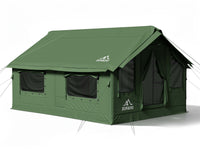
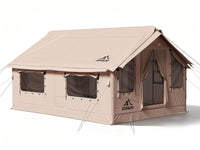
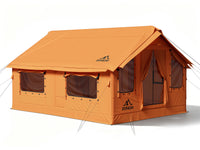
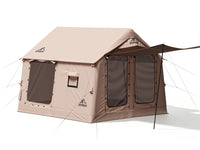
If you’re planning to camp with your family in Michigan for a few days, a spacious tent with a practical layout can make your time at the campground more comfortable. With beds, luggage, and other camping gear inside, having enough room for everyone to rest and move around becomes especially important.
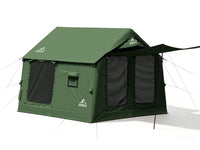
ZONKOO Vega sleeps 2–6 people and offers 129 sq ft of interior space with a 7'1" standing height. Its center-pole-free design makes the interior easier to organize, allowing you to arrange sleeping areas, storage boxes, and activity space based on how many people are staying inside. Vega also has 7 windows and an 11-minute setup time, making it a good fit for families looking for both usable interior space and an efficient setup.
Vega
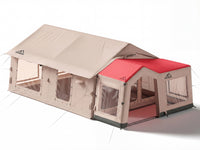
For families that need more shared space, ZONKOO Draco sleeps 2–10 people and offers 183 sq ft of interior space with a 7'3" standing height. A removable divider can split the interior into two areas for sleeping, relaxing, or gear storage. Its 12 windows provide additional ventilation and natural light when several people are using the tent, making it better suited to larger families, groups, or multi-day stays at the same campsite.
Draco
Start planning your Michigan camping trip
These five campgrounds offer different camping experiences, so you can choose based on what you want to experience on the trip and the facilities you need. Once you’ve picked a destination, reserve your campsite, confirm operating dates and campground rules, and prepare your camping gear and tent based on the length of your stay and the size of your group.