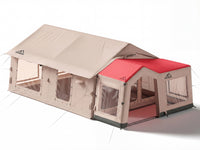
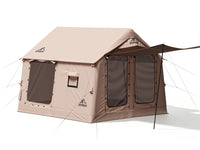
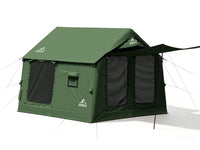
As family camping, road trips, and outdoor living continue to grow in popularity, tents are no longer just a simple place to sleep. More campers are paying attention to whether a tent is easy to set up, waterproof, stable, and comfortable enough for extended outdoor use.
Compared to traditional pole tents, modern inflatable tent designs replace metal poles with air beam structures, making setup easier while also creating a more spacious and comfortable camping experience for modern family camping needs.
A truly well-designed inflatable tent is not just about fast inflation. Its overall performance depends on how each component works together. From integrated air beam systems to waterproof fabrics, PVC air tubes, guyline systems, pressure relief valves, and stove jack openings, every detail affects how the tent performs outdoors.
In this guide, we’ll break down the key components of air tents and explain why these features are becoming increasingly popular among camping enthusiasts.
Integrated Air Beam System
The integrated air beam system is one of the most important structures in an inflatable tent.
Traditional pole tents require multiple poles to be inserted through the tent structure one by one before being secured and adjusted. The setup process becomes even more complicated with larger tents, especially when arriving at the campsite at night, dealing with changing weather, or traveling with a group. In these situations, setup efficiency can directly affect the overall camping experience.
An integrated air beam system uses connected internal air tubes that allow the tent to be inflated quickly through a single valve. Once air enters the system, it flows through the main support structure and gradually raises the tent frame.
This design reduces the hassle of repeatedly installing poles and also makes setup much easier. After arriving at the campsite, users only need to inflate and secure the tent before they can quickly settle into a more comfortable outdoor setup.
One reason why high-quality inflatable outdoor tent designs are becoming more popular for family camping is that they simplify the setup process and reduce much of the stress that often comes with outdoor travel preparation.
Reinforced Guyline System
A reinforced guyline system plays a major role in keeping a tent stable in windy conditions.
Air beams naturally have some flexibility, which allows them to absorb and distribute pressure through slight movement when exposed to strong winds. However, without a reliable external support structure, the tent can still become unstable.
A reinforced guyline system uses multi-directional tension points to create a more secure connection between the tent body, stakes, and the ground. When wind hits the tent, the guylines help distribute pressure more evenly and reduce excessive stress on specific areas.
This design is especially useful in open campsites, lakeside areas, beaches, and mountain environments. When wind direction changes quickly, the tent relies on the entire support structure rather than a single anchor point to maintain stability.
The ability to remain stable in winds up to 50mph shows that the tent has a more reliable wind-resistant structure. During camping trips, a more stable tent can reduce movement at night and create a more comfortable resting environment.
Cold-Resistant PVC Air Beams
Cold-resistant PVC air beams are an important part of an air tent’s support system.
The overall stability of an inflatable tent largely depends on the material used for the air beams. Standard materials can become stiff in low temperatures and may lose flexibility over time. Once temperature changes affect the air beams, the tent’s overall structural support can also weaken.
Cold-resistant PVC air beams are designed to maintain flexibility and structural stability in temperatures as low as -22°F. In cold weather, the air beams are less likely to become brittle due to temperature changes, making them more suitable for four-season outdoor use.
This material helps the tent maintain more reliable support during fall and winter camping, cold nights, and high-altitude environments. A more stable tent structure also creates a more secure and comfortable resting space inside.
In a high-performance air tent, the air beams are not simply inflatable tubes — they function as the framework of the entire tent. The addition of cold-resistant PVC air beams also gives air tents stronger adaptability across different outdoor environments.
420D Oxford Fabric with PU Coating
The outer tent fabric directly affects durability, waterproof performance, and long-term outdoor use.
Compared to standard lightweight materials, 420D Oxford fabric is thicker and offers better abrasion resistance and tear strength. During outdoor use, tents are frequently exposed to branches, gravel, wind friction, and changing weather conditions. The stronger the fabric, the less likely the tent is to wear out over time.
The PU coating further improves the fabric’s waterproof performance. When rain hits the tent surface, the coating helps water slide off more quickly and reduces the chance of moisture remaining on the fabric for extended periods.
The combination of 420D Oxford fabric and PU coating not only improves the durability of the tent exterior but also enhances overall weather resistance. During extended camping trips, the stability of the tent fabric can directly affect the tent’s overall lifespan.
This fabric setup makes the tent more suitable for family camping, road trip camping, weekend outdoor travel, and multi-season use. A thicker and more durable outer fabric also gives the tent a stronger sense of reliability and quality.
Waterproof Fabric: PVC-Coated Mesh Fabric
When choosing a tent, many people focus mainly on rain protection from above while overlooking ground moisture protection.
In reality, ground moisture can have a major impact on camping comfort. Grass, mud, wet soil, and campsites after rain constantly release moisture upward. If the bottom of the tent does not provide enough moisture protection, the inside can quickly become damp, affecting sleeping bags, floor mats, and luggage.
PVC-coated mesh fabric, used as a waterproof flooring material, helps effectively block ground moisture and keeps the interior of the tent drier and more comfortable.
Compared to standard thin groundsheet materials, thick PVC-coated mesh fabric offers better abrasion resistance and more stable waterproof performance. The floor can also handle more frequent use when people walk inside the tent or move tables, chairs, and camping gear around.
A waterproof tent floor is not only part of the tent’s base structure but also an important foundation for a comfortable camping experience. Keeping the ground dry makes the tent interior better suited for sleeping, resting, and extended stays.
This type of design also makes the tent more suitable for rainy camping, family camping, car camping, and long-stay outdoor use.
Built-In Pressure Relief Valve
A built-in pressure relief valve is an important safety feature that is often overlooked in air tents.
During use, the internal air pressure of an inflatable tent can change with temperature. As temperatures rise during the day, the air inside the beams expands, causing the pressure to increase. If the pressure remains too high for long periods, the air beams can experience additional stress.
A built-in pressure relief valve can automatically release excess air when the internal pressure becomes too high, helping the air beams maintain a more stable pressure level.
Although this component may seem small, it plays an important role in protecting the air beam structure. It not only reduces the risk of overinflation but also helps extend the overall lifespan of the tent.
The function of a pressure relief valve becomes even more noticeable in outdoor environments with large temperature changes between day and night. As temperatures rise during the day and drop at night, air pressure inside the beams constantly changes. An automatic pressure release design helps make the tent more reliable during use.
A well-designed inflatable tent is not only focused on fast inflation, but also pays close attention to pressure control, safety protection, and long-term durability.
AC Power Port and Cable Access
Modern camping is no longer just about sleeping inside a tent.
Many families now use lights, portable power stations, fans, portable refrigerators, projectors, and charging devices while camping. If cables can only enter through doors or windows, it can affect the tent’s seal and also create a messy interior setup.
An AC power port and cable access design allows external power sources to enter the tent more efficiently without affecting the overall tent structure.
With a dedicated cable entry point, the tent doors and windows can remain properly closed, helping reduce drafts, rain entry, and insects from getting inside. It also keeps the interior space more organized and makes using electrical devices more convenient.
This type of design works especially well for road trip camping and family camping. A more practical power access system helps create a more comfortable and functional outdoor living space inside the tent.
Adjustable Stove Jack Opening
An adjustable stove jack opening gives the tent better adaptability for fall and winter camping.
Hot tent camping has become increasingly popular, and many campers want a warmer and more comfortable outdoor experience in cold weather. A stove system can help raise the temperature inside the tent, but the tent must first have a safe and properly designed chimney exit.
An adjustable stove jack opening can be modified to fit different stove and chimney sizes. With an opening size of approximately 9.8 inches × 9.8 inches, it can accommodate many common outdoor stove setups.
This design allows the tent to be used not only for spring and summer camping, but also for fall camping, cold weather camping, and winter outdoor living.
A properly designed stove jack opening helps the chimney extend more smoothly through the tent while reducing stress on the tent structure. More stable interior temperatures also create a more comfortable resting environment inside the tent.
UV-Resistant Tent Fabric
UV-resistant tent fabric can improve the camping experience during summer trips.
When a tent is exposed to sunlight for long periods, the interior temperature can rise quickly, making the inside feel increasingly hot and uncomfortable. Standard fabrics often struggle to reduce the heat caused by strong sun exposure.
UV-resistant fabric helps reduce direct ultraviolet exposure and keeps the interior of the tent at a more comfortable temperature.
The difference becomes more noticeable during lakeside camping, beach camping, summer family trips, and extended daytime stays at the campsite. The tent interior is less likely to heat up too quickly, making daytime rest, children’s naps, and organizing gear more comfortable.
UV-resistant fabric can also help slow down material aging over time. Even after extended outdoor use, the tent is able to maintain better appearance and performance stability.
Explore a More Comfortable Outdoor Camping Experience 🏕️
From air beam structures to waterproof fabrics, wind-resistant systems, and stove-compatible designs, modern inflatable tents offer much more than just easy setup.
More stable construction, a more comfortable interior, and better outdoor adaptability are making inflatable outdoor tent designs a popular choice for modern camping.