Finding a pet-friendly campground nearby takes more than searching “pet-friendly campgrounds near me” on a map and booking the first place labeled “Pets Allowed.” A more reliable approach is to narrow down your options by location, dates, and your pet’s needs, then check where pets are allowed, leash requirements, pet limits, and campground conditions before contacting the campground to confirm.
A campground that allows pets may not be suitable for an entire trip with a pet. Some campgrounds allow dogs at tent sites but prohibit them on nearby trails, along lakeshores, or inside public buildings. If those areas are central to the trip, discovering the restrictions after booking can make the original plans difficult to follow.
Step 1: Define Your Location, Dates, and Pet’s Needs
Before searching, decide which city, state, or park you plan to visit and how far you are willing to drive. Enter your arrival date and length of stay as well. A platform may show that a campground allows pets, but that does not mean a suitable site will still be available for your dates.
Next, decide whether you need a tent site, RV site, or cabin. The same campground may allow pets at tent and RV sites while offering only a limited number of pet-friendly cabins. Do not assume that the rules for one type of accommodation apply to another.
Your pet’s needs will also affect the choice. Consider the number of pets, your dog’s size, age, and activity level, and whether your dog is likely to become anxious, bark, or chase wildlife. If you plan to hike, swim, or visit nearby attractions with your dog, include those activities in your requirements.
If you are bringing a cat or another type of pet, confirm whether the campground’s pet-friendly policy applies only to dogs. Some campgrounds allow dogs but not other animals, while others have separate rules covering pet species, numbers, and accommodation areas.
The more specific your needs are, the more useful your search terms will be. In addition to “pet-friendly campgrounds near me,” try searches such as:
- dog-friendly tent camping near Denver
- pet-friendly state park camping in California
- campgrounds that allow large dogs near me
- pet-friendly tent sites with a fenced dog park
Do not search only for campgrounds that allow pets. Add the location, accommodation type, or a specific pet-related need to the search.
Step 2: Build a Shortlist Using Maps and Campground Platforms
Google Maps is a useful place to start when comparing nearby campgrounds, driving times, routes, phone numbers, and recent reviews. Once you find a place that interests you, visit the campground’s website instead of relying only on the “Pet-friendly” label shown on the map.
To find campgrounds in national forests, national parks, and other federal public lands, use Recreation.gov. Enter the destination and dates, then use filters such as “Pets Allowed” and “Tent Camping” to narrow the results.
For state parks and local public campgrounds, first check whether ReserveAmerica lists the destination. If it does not, visit the relevant state park or local managing agency’s website. States use different reservation platforms, and pet policies should always be confirmed on the page for the specific campground.
Outside public campgrounds, Hipcamp is useful for finding campsites on private land, farms, and smaller, distinctive properties. BringFido can help identify pet-friendly places and provide initial information about large dogs, multiple pets, and pet fees. However, third-party platforms are best used to build a shortlist. The current policy published by the campground or park management agency should be the final reference.
KOA can be useful for road travelers looking for campgrounds with showers, stores, or dog recreation areas. Some KOA locations offer Paw Pen sites with private fenced areas, but availability must still be checked for the specific location and dates.
Start with three to five options that match the distance, dates, and accommodation type, then compare their pet policies, permitted areas, and actual campground conditions.

Step 3: Confirm Exactly Where Pets Are Allowed
On each campground page, look for sections such as “Pet Policy,” “Dogs on Trails,” and “Restricted Areas.”
In addition to confirming that pets are allowed at tent sites, check whether they can enter nearby trails, lakeshores, beaches, swimming areas, picnic areas, visitor centers, and any attractions you plan to visit. For national parks, find the pet page for the specific park on the National Park Service website, since permitted areas vary from one park to another.
For example, a campground may allow dogs even though the main trail, lakeshore, or attraction you plan to visit does not. In that situation, you will need to change the route or select a campground that better fits the trip.
The main question is not simply whether a dog can enter the campground. It is whether you can still complete the trip’s main activities with your dog.
Step 4: Check Additional Restrictions and Fees
After confirming where pets can go, review the rules covering leashes, number of pets, size, breed, fees, and vaccination records. Leash-length requirements and the areas where they apply can vary by park, so follow the rules published for the specific campground instead of treating one common standard as a nationwide rule.
Also confirm whether pets may be left alone at the campsite or inside a tent, vehicle, or cabin. Many campgrounds prohibit unattended pets, which can affect plans to use the showers, enter a restaurant, or participate in activities where pets are not allowed.
Check the fees in advance as well. Some campgrounds charge per pet or per night, while dog parks, pet-washing stations, or privately fenced campsites may require a separate reservation. Allowing pets and providing pet amenities are not the same thing.
Once you have reviewed the rules, read recent reviews on Google Maps, Hipcamp, or the reservation platform. Focus on campsite spacing, shade, ground conditions, distance from roads, nighttime noise, wildlife activity, and the condition of dog recreation areas. Reviews can help describe the actual environment, but they do not replace the campground’s current policies.
Step 5: Decide Whether the Campground Suits Your Dog
After gathering the information, remove any campground where pets are prohibited from the main activity areas or where the pet limits, size restrictions, or accommodation rules do not meet your needs. Then compare the remaining options based on your dog’s temperament and physical condition.
A dog that becomes anxious or barks easily may not do well in a tightly packed campground with frequent foot traffic. An active dog needs nearby trails or open areas where pets are allowed. A dog that struggles in hot weather needs more shade, drinking water, and ventilation. A dog that tends to chase animals may be safer away from areas with frequent wildlife activity, where keeping a safe distance would be difficult.
For an older dog or one with limited mobility, prioritize level campsites and shorter walking distances. When traveling with a large dog or multiple pets, also consider the size of the campsite, the vehicle parking location, and limits on the number of pets.
A fenced dog park is not the only consideration. For a pet that does not enjoy being around unfamiliar dogs, a quiet, spacious site near a leashed walking route may work better than a shared recreation area.

Step 6: Contact the Campground Before Booking
If the campground page is incomplete, different platforms provide conflicting information, or your pet has specific needs, call or email the campground before paying.
Do not ask only, “Are pets allowed?” State the number and size of your pets, the type of accommodation you plan to book, and the activities you want to do. You can ask:
Hi, I’m planning to book a tent site and will be bringing one dog. Could you confirm your current pet policy, including leash rules, pet fees, restricted areas, whether dogs are allowed on nearby trails, and whether pets may be left unattended at the campsite?
You should also confirm whether pet-friendly tent sites are available for your dates, whether pet fees are included in the total price, and whether any seasonal restrictions are currently in effect. If the campground replies by email, save the confirmation and review it again before departure.
Step 7: Complete the Booking and Save the Pet Policy
Before paying, make one final check: Are the dates and campsite type correct? Is a pet-friendly site still available for those dates? Have pet fees been included in the budget? Are pets allowed in the main activity areas? Will the leash and unattended-pet rules interfere with the original plans?
After booking, save the campground’s policy page, confirmation email, and phone number so you can review them again before leaving. You can also note the location of a nearby veterinary clinic. After arriving, ask staff about pet recreation areas, waste-disposal points, and wildlife precautions.
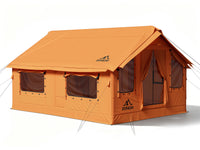
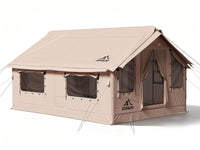
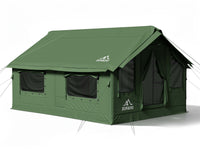
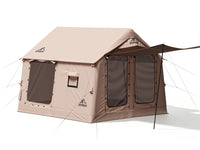
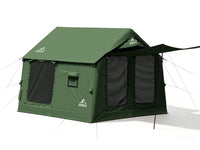
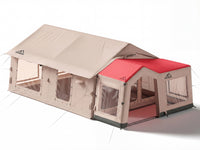
Next, prepare the tent based on the campsite size, ground conditions, shade, and the space your pet will need. When camping with a dog, leave room for the dog bed, water bowl, and a clear path in and out. Also consider tent ventilation, floor durability, and how easily the doors can be managed around your pet.
Further Reading: What Type of Inflatable Tent Is Best for Camping With a Dog?
A truly pet-friendly campground does more than allow pets. Its campsite conditions, permitted activity areas, and management rules should also fit the actual trip. Checking these details before booking can help prevent problems such as restricted trails, rules against leaving pets unattended, or a campsite that does not suit your pet.