Camping on the beach requires more preparation than a typical campground stay. Before heading out, find a beach that allows overnight camping, check local tide and weather forecasts, and choose a tent and gear suited to sandy ground and coastal winds. Rising tides, strong gusts, and moisture can all affect where you set up camp and how comfortable your stay will be.
A little planning goes a long way. Knowing where to camp, what to bring, and how to set up your tent makes it easier to settle in and enjoy your time by the water.
Which U.S. Beaches Allow Overnight Tent Camping?
Some U.S. national seashores, state parks, and coastal campgrounds allow overnight tent camping, but the rules vary by location. Some permit camping directly on designated sections of the beach, while others offer established campsites near the shoreline.
For example, Cape Lookout National Seashore in North Carolina allows camping in designated beach areas. At Point Reyes National Seashore in California, beach camping is limited to certain areas along Tomales Bay and requires specific permits and access arrangements. Before choosing a destination, check the latest rules for reservations, parking, campfires, and pets.
If this is your first beach camping trip, consider a managed coastal campground with designated sites, restrooms, and drinking water. These facilities make it easier to bring your gear, manage daily needs, and settle in for the night.
What Should You Know About Tides and Weather Before Beach Camping?
How to check tide times and identify the high-tide line
The National Oceanic and Atmospheric Administration (NOAA) provides coastal tide predictions through its Tides & Currents service. Check the tide station closest to your campsite before heading out, especially the high tides expected overnight and early the next morning. A beach that looks spacious at low tide may be much narrower when the water rises.
Lines of seaweed, shells, and driftwood along the shore can help indicate the high-tide line, but they don't necessarily show how far the water could reach. Strong winds, large swells, and storm surges can push water beyond predicted levels. If camping directly on the sand is permitted, follow local safety guidelines and stay well clear of areas at risk of flooding.
What should you know about coastal winds and changing weather?
Coastal winds can shift throughout the day, so overnight wind speeds and gusts deserve particular attention. Strong winds can affect tent stability and send unsecured gear, including canopies and chairs, blowing across the campsite.
Check the local forecast for sustained winds, gusts, rainfall, and overnight temperatures. Also watch for high surf advisories, coastal flood alerts, and storm warnings. If dangerous weather is expected, reschedule or cancel your trip rather than relying on extra tent anchors to handle severe conditions.

What Kind of Tent Should You Choose for Beach Camping?
What features matter most in a beach camping tent?
A beach camping tent needs reliable support, good ventilation, and enough room for everyone and their gear. Stability should come first. Look for secure attachment points and guy lines that work with anchors designed for sandy ground. Loose sand doesn't grip standard tent stakes as firmly as solid ground, so the tent's stability also depends on the anchoring method and local wind conditions.
Ventilation is another consideration. Coastal humidity and temperature differences between the inside and outside of a tent can cause condensation overnight. Adjustable windows, mesh screens, and vents help keep air moving and limit moisture buildup.
Think beyond the advertised sleeping capacity when choosing a size. Account for the number of campers, sleeping arrangements, luggage, and space needed to move around. If the campsite is a long walk from the parking area, tent weight and portability matter just as much.
Are inflatable tents suitable for beach camping?
Inflatable tents can be used at coastal campsites when conditions are suitable, overnight tent camping is permitted, and the tent can be securely anchored. Their air-beam structure replaces traditional tent poles, making setup more straightforward.
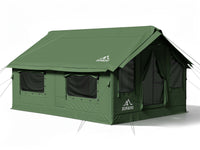
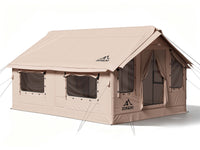
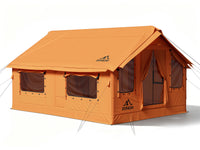
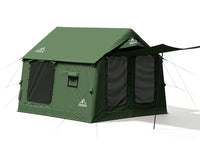
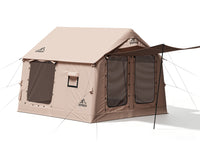
ZONKOO inflatable tents feature an air-beam support structure and tent fabric with a PU 5,000 mm waterproof rating. When properly set up and secured, they offer wind resistance rated up to 50 mph. Actual stability also depends on proper inflation, anchoring methods, and local wind conditions.
Vega
For shorter trips, especially when gear needs to be carried from the parking area, a lighter tent with a quick setup can make a noticeable difference. ZONKOO Lyra weighs 29 lbs, offers 65 sq ft of interior space, and takes just 3 minutes to set up. Its compact design makes transport easier while still providing room to sleep comfortably.
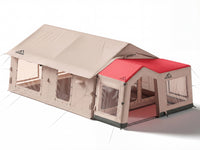
Longer stays call for more room to store clothing, luggage, and everyday essentials. ZONKOO Orion offers 86 sq ft of interior space, five adjustable windows, and a concealed vent for managing airflow as conditions change. The additional space makes it easier to keep sleeping areas and stored gear organized.
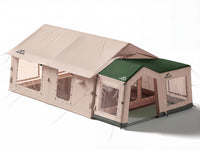
When camping with a group or bringing more equipment, a flexible interior layout becomes especially useful. ZONKOO Vega offers 129 sq ft of interior space and seven windows. Its removable divider curtain separates sleeping and living areas when needed, or can be taken down to create a more open layout. It also comes with 38 tent stakes for use with guy lines at multiple anchoring points. On loose sand, you'll still need an anchoring method suited to the ground conditions.
For more information on how inflatable tents handle changing weather, read our guide to How Do Inflatable Tents Perform in Wind and Rain?
What Gear Do You Need for Beach Camping?
Along with a tent and basic sleeping gear, beach camping calls for anchors suited to sandy ground, moisture protection, and supplies for everyday use and cleanup. Your packing list will depend on the length of your stay, group size, and available campground facilities.
|
Gear Category |
Recommended Items |
Purpose |
|
Sleeping gear |
Tent, sleeping pad, sleeping bag, pillows |
Provide a comfortable place to sleep |
|
Setup and anchoring |
Sand stakes, sandbags, guy lines, compatible air pump (for inflatable tents) |
Set up and secure the tent |
|
Moisture protection and storage |
Ground mat, waterproof storage bags, sealed storage bins |
Protect belongings from moisture and sand |
|
Camping essentials |
Drinking water, food, lighting, cooler |
Cover meals, hydration, and nighttime needs |
|
Personal protection |
Weather-appropriate clothing, sun protection, first aid kit |
Prepare for changing weather and basic safety needs |
|
Cleaning supplies |
Doormat, soft-bristle brush, trash bags |
Keep the tent and campsite clean |
Established campgrounds with drinking water, restrooms, and trash disposal generally require fewer extra supplies. At more remote beaches or campsites far from parking areas, check food and water availability, waste disposal options, and how far you'll need to carry your gear. Leave bulky items you won't use behind.

How Do You Choose a Campsite and Set Up a Tent on the Beach?
How to choose a safe place to pitch your tent
Once you arrive, first check where tent camping is permitted. On beaches where you can choose your own spot, avoid areas exposed to high tides or swells, as well as protected dunes, coastal vegetation, and restricted areas.
Look for level ground and clear away sharp shells, rocks, and other debris that could damage the tent floor. Leave enough room for the tent entrance, guy lines, and everyday activities. Keep public pathways and emergency access routes clear as well.
How to set up and secure a tent on sand
Standard short tent stakes can loosen easily in soft sand. Depending on campground rules and ground conditions, use sand stakes, screw-in sand anchors, or suitable sandbags. Once the tent is unfolded, secure each anchor point according to the manufacturer's instructions. Adjust the guy lines evenly to avoid putting too much stress on any one area.
Position the tent with the wind direction and its design in mind. Whenever possible, avoid placing the main entrance directly into strong, steady winds. Use mesh windows and vents to maintain airflow when conditions allow. If blowing sand becomes a problem, adjust the openings to limit how much gets inside.
Once the tent is up, check that the stakes, guy lines, and structure are secure. If the wind picks up significantly, secure loose belongings and adjust your setup or end the trip as conditions require.
How Can You Manage Wind, Moisture, and Sand While Camping Overnight?
As evening approaches, put away lightweight chairs, empty packaging, and anything else the wind could carry off. Coastal temperatures can drop noticeably after sunset, so choose sleeping bags and clothing based on the expected overnight temperature rather than the warmth of the afternoon.
Condensation is another common challenge. If moisture forms on the tent walls, keep sleeping bags and bedding away from the damp fabric. Store wet clothing and shoes separately to keep the sleeping area dry.
Sand can easily get inside on shoes, clothing, and camping gear. Place a doormat at the entrance, keep shoes near the doorway, and store clean clothing in separate bags. These small habits help keep the sleeping area cleaner throughout your stay.
When it's time to pack up camp, brush loose sand off the tent, ground cloth, and anchoring gear. Check for salt residue and dirt, then follow the manufacturer's cleaning instructions. Avoid scrubbing the fabric too hard. If the tent is still damp, pack it temporarily for the trip home, then unpack and dry it thoroughly before long-term storage.
Get Ready for Your Next Coastal Camping Trip
Where you camp, how securely your tent is anchored, and how much room you have for beds and luggage all shape the beach camping experience. Check tides and weather before heading out, and choose a tent that suits your group size and the distance you'll need to carry it. With the campsite properly set up, you can spend less time managing gear and more time enjoying the sunset, ocean waves, and morning sea breeze.