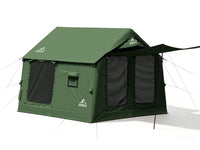
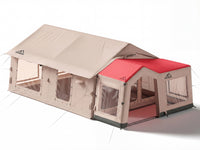
If you are considering buying an inflatable tent, one of your biggest questions is probably: how long does an inflatable tent actually last?
In fact, a high-quality inflatable tent can usually last 5–10 years with proper use, dry storage, and regular maintenance. For users who camp less frequently and take good care of their tent, it may last even longer. However, the actual lifespan does not have a fixed answer. It can be affected by many factors, including the tent fabric, air beam structure, camping frequency, weather conditions, inflation pressure, and daily care habits.
For weekend camping, family camping, and road trips, quality inflatable camping tents are not disposable products that can only be used a few times. They are important pieces of gear that can last through multiple camping seasons. This article will walk you through the key factors that affect the lifespan of an inflatable tent and how proper use and maintenance can help keep it in a longer-lasting, more stable condition.
How Long Do Inflatable Tents Usually Last?
Inflatable tents do not have a fixed lifespan. A tent used occasionally for weekend camping at established campsites will wear very differently from one used frequently for group camping or exposed for long periods to gravel, sand, rain, or strong sunlight. In general, the more reliable the tent materials are, and the more carefully the user cleans, dries, and stores the tent, the more stable its condition will remain.
It is also important to note that an inflatable tent is not “ruined” as soon as it leaks air. Many small punctures, minor leaks, or local areas of wear can still be repaired properly and continue to be used. What really shortens a tent’s lifespan is often storing it while wet, leaving it under strong sunlight for long periods, overinflating it, letting it rub against rough ground, or ignoring small problems instead of fixing them in time.
What Factors Affect the Lifespan of an Inflatable Tent?
Tent fabric and waterproof coating directly affect the lifespan of an inflatable tent. During long-term camping use, a tent has to handle rain, wind, mud, sand, friction from branches, and repeated folding. If the fabric is not abrasion-resistant enough, or if the waterproof coating ages easily, the overall performance of the tent will decline. Many Zonkoo tents use Oxford fabric with PU coating and feature PU5000 mm waterproof performance, making them more suitable for waterproof inflatable tents that need reliable protection.
Further reading: How to Waterproof a Tent: A Truly Useful Guide to Tent Waterproofing
The air beam structure is also important. The air beam is the core part that supports the tent and keeps it standing. It is not just an ordinary inflatable tube. Underinflation can make the tent less firm and more likely to sway in the wind, while overinflation may increase pressure on the air beams. This is especially important in hot weather, when heated air expands and creates extra strain. Zonkoo inflatable tents should be inflated according to the pressure requirements of each model. Some models can use 5.5 psi as a reference to help the air beams maintain stable support while reducing unnecessary pressure strain.
The campsite surface also affects how long a tent can last. Grass, flat campsites, and well-prepared camping areas are more friendly to the tent floor. Gravel, tree roots, sharp branches, and rough sandy ground are more likely to wear down the groundsheet. Clearing the ground before setup and using a groundsheet can reduce direct friction between the tent floor and the ground, while also lowering the risk of punctures.

Are Inflatable Tents Easy to Puncture?
Under normal camping use, inflatable tents are not easy to puncture. Damage is more often caused by improper use, such as dragging the tent across gravel, placing sharp gear against the air beams, or setting it up without clearing the ground first. Pet claws, metal table legs, stove edges, knives, and hard storage boxes can also wear down the fabric.
For family campers, inflatable family tents are commonly used on grassy campsites, car camping sites, and weekend outdoor trips. As long as you check the ground before setup, keep sharp objects away from the tent, and inflate it to the recommended pressure, it can usually handle everyday family camping needs. What really needs attention is that tent damage often does not happen all at once. It usually comes from long-term friction, improper storage, and small issues that are not repaired in time.
How to Prevent Punctures and Damage
To reduce the risk of punctures, prevention is more important than repair. Before setup, choose a flat area and clear away rocks, branches, and hard objects. Do not drag the tent forcefully when unfolding it. Do not keep inflating the tent just to make it feel “harder.” In windy conditions, properly secure the stakes and guy lines to reduce repeated pulling on the tent.
During daily use, avoid letting sharp gear come into direct contact with the tent fabric or air beams, such as knives, stove edges, metal table legs, and hard storage boxes. If you camp with pets, their claws may also scratch and wear the fabric when they enter and exit the tent, jump onto sleeping pads, or move around inside. Zonkoo inflatable tents use durable fabric designed for family camping scenarios, which helps reduce wear risks from pet claws, stepping in and out, and light friction during everyday use, giving families who camp with dogs or other pets more peace of mind.
However, scratch resistance does not mean protection can be ignored. When camping with pets, it is still recommended to trim their nails in advance, place a mat in areas where they often move around, and avoid letting them scratch the tent door, mesh windows, or air beam areas for long periods. Proper use and suitable protection can help keep the tent in better condition through multiple family camping trips.
Choosing the Right Size Can Also Affect Lifespan
Tent size is not just about comfort. It can also affect long-term use. If the tent space is too small, people, luggage, and camping gear will all be packed together. The door panels, tent floor, zippers, and seams are more likely to be pulled repeatedly. Over time, these local areas may start to show wear earlier than other parts of the tent.
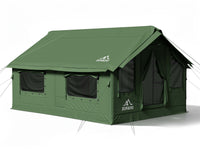
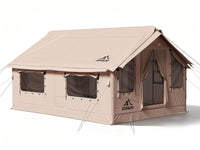
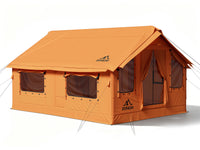
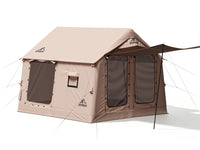
Choosing the right size can reduce crowding inside the tent, pressure from luggage, and friction around the sleeping area. It can also help the tent stay in a more stable condition during daily use. For beginners, couples, and small families on short camping trips, Zonkoo Lyra is a lighter and more user-friendly option. Orion and Vega are better suited for everyday family camping, while large inflatable tents like Draco and Draco Plus are more suitable for group camping, longer stays, and situations that need more activity space.
With the right amount of space, use pressure is spread out more evenly, making it easier for the tent to stay in good condition through multiple camping seasons.
Can It Be Repaired After Damage?
If the tent has a slight air leak, do not assume the whole tent can no longer be used. The first step is to find the leak. You can listen for any leaking sound, then check the valve, air beam folds, seam areas, and places that often experience friction. If the leak is not obvious, you can use a small amount of soapy water to help check. The spot where bubbles appear is usually where the leak is located.
After finding the leak, deflate the tent first, then clean the damaged area and make sure the surface is dry, dust-free, and free of oil. Then apply the patch according to the instructions of the repair patch or repair kit, press it firmly, wait for the adhesive to set, and inflate the tent again for testing. Small punctures, minor wear, or local air leaks can usually be repaired. If the valve is damaged, the air beam has a large tear, there are multiple ongoing leaks, or the seams are seriously damaged, it is recommended to contact the brand’s customer support.
How to Extend the Lifespan of an Inflatable Tent
If you want your inflatable tent to last longer, the key is to build regular maintenance habits. After each camping trip, clean off mud, sand, and leaves, and let the tent dry completely before storage. Storing it while wet for a long time can lead to odors, mildew, and coating aging. Do not force the tent into storage, and do not store it for long periods in damp, hot, or direct-sunlight areas.
Before the camping season starts, it is also recommended to check the valve, air beams, seams, waterproof coating, and tent floor in advance. If there is only local wear, a small tear, or a minor air leak, repair can be considered first. But if the tent has multiple leaks, an unstable structure, obvious fabric aging, significantly reduced waterproof performance, or no longer fits your current camping needs, it may be time to consider replacing it with a new tent.
A durable inflatable tent is not only about how long it can last. It also affects whether every camping trip feels easier, more comfortable, and more reliable. Choosing the right size, stable structure, and reliable protection, along with proper setup, dry storage, and timely repairs, can help the tent stay in better condition through multiple camping seasons.