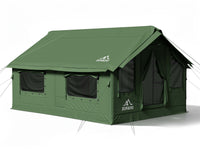
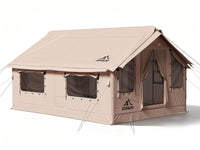
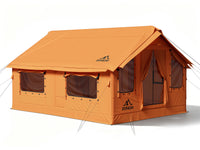
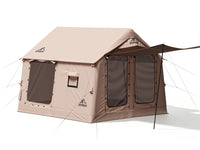
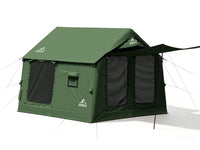
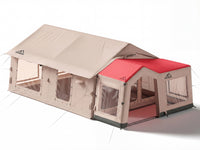
One of the biggest questions first-time campers have isn't how to inflate an inflatable tent—it's knowing when to stop.
If the air beams still feel soft, it's easy to worry the tent won't be stable enough. On the other hand, continuing to pump air into the tent can make you wonder if you're overinflating it and putting unnecessary stress on the air beams or valves.
The truth is, an inflatable tent isn't meant to be inflated as hard as possible. Proper inflation is just one part of the overall setup process.
A stable pitch starts with choosing the right campsite, laying the tent out correctly, using a suitable pump, and inflating it to the recommended pressure. In this guide, we'll walk you through each step so you can set up your ZONKOO inflatable tent with confidence and avoid the mistakes many beginners make.
Prepare Before Inflating
Many first-time setup problems have nothing to do with the pump. More often, the tent simply hasn't been laid out properly before inflation.
Before you begin, choose a flat, dry area where water is unlikely to collect. Remove branches, sharp stones, and any other debris that could damage the tent floor.
If the ground is rough, place a groundsheet underneath before unfolding the tent. Once the tent is laid out, check that the doorway is facing the desired direction, the air beams are positioned correctly, and all four corners are fully spread out.
For larger inflatable camping tents, taking a few extra minutes to position the tent properly makes a noticeable difference. If it's windy, lightly stake down a couple of corners first to keep the tent in place while the air beams inflate.
Choose the Right Pump
The pump you use has a big impact on how easy the setup process will be.
Standard low-pressure pumps designed for pool floats or air mattresses aren't always suitable for inflatable tents. Air-beam tents require a pump that can deliver steady airflow while allowing you to control the pressure accurately.
If this is your first inflatable camping tent, an electric pump designed specifically for air-beam tents is usually the easiest option.
Before inflating, make sure the pump nozzle fits securely into the inflation valve and confirm that the deflation valve is fully closed. A loose connection can cause air to escape, making inflation slower than it should be.
Once you start pumping, let the air beams fill gradually rather than rushing the process. Watch how the tent rises. If one section becomes trapped, the fabric catches, or the tent begins leaning to one side, stop for a moment and straighten everything before continuing.
If your pump includes a pressure gauge or PSI setting, set the target pressure to 5.5 PSI. Stay nearby while the tent inflates so you can monitor its shape and stop pumping once the recommended pressure has been reached.
When purchasing a ZONKOO inflatable tent, an electric air pump is available as one of the complimentary gift options. Using a pump that's designed for your tent makes setup easier and helps avoid problems such as incompatible nozzles or inaccurate pressure.
Let the Tent Take Shape Naturally
One of the biggest mistakes beginners make is trying to force the tent into shape.
Instead of pulling on partially inflated air beams or dragging the tent into position, let the air beams do the work. As they gradually fill with air, the tent should naturally lift into its proper shape.
If one side rises faster than the other, don't panic. In most cases, the tent simply needs to be spread out a little more, or an air beam may be caught underneath part of the fabric.
Taking an extra minute to watch the tent rise naturally can save you from making adjustments later. It also helps the roof, doorway, and walls settle into their correct positions for better overall stability.
Inflate to the Recommended Pressure
For ZONKOO inflatable tents, the recommended inflation pressure is 5.5 PSI.
This pressure provides the ideal balance between structural support, stability, and long-term durability.
When properly inflated, the air beams should feel firm while still having a slight amount of give when pressed. The tent should stand upright on its own, with a smooth roofline and evenly shaped door frame.
If your pump doesn't have a pressure gauge, you can judge by the tent's appearance. The roof should not sag, the air beams should feel supportive rather than rock-hard, and the entire structure should look evenly tensioned.
Spending an extra minute checking the pressure can make a noticeable difference in comfort and stability—especially during family camping trips where people are constantly moving in and out of the tent.
Secure the Tent
Once the tent is standing, the setup isn't finished yet.
Properly securing the tent with stakes and guy lines is what keeps it stable in real camping conditions. Wind, uneven ground, and people moving around inside the tent can all affect stability if the tent isn't anchored correctly.
Although ZONKOO inflatable tents are designed for quick setup, the air beams, stakes, and guy lines all work together to keep the structure secure.
When tensioning the guy lines, avoid pulling them excessively tight. A firm but moderate tension is all that's needed to keep the tent stable while allowing the fabric to flex naturally in changing weather.
Deflation and Storage Matter Too
Air pressure naturally changes with temperature.
During the day, warmer temperatures may slightly increase the pressure inside the air beams. At night, cooler temperatures can make them feel a little softer. This is completely normal and doesn't necessarily mean the tent is leaking.
If your inflatable tent becomes noticeably softer overnight, first check that all valves are fully closed before adding more air. If needed, top it up gradually and use 5.5 PSI as your reference.
When packing away, open the valves and allow the air to escape naturally before folding the tent. Folding it while air is still trapped inside makes packing more difficult and can place unnecessary stress on the air beams.
If the tent has been exposed to rain, morning dew, or damp ground, dry it completely before storing it for an extended period. Proper storage helps prevent mildew, unpleasant odors, and unnecessary wear, while keeping the tent ready for your next camping trip.
Key Takeaways
Inflating an inflatable tent is easier than it looks once you know the right process.
Start by choosing a flat campsite, lay the tent out completely, use a compatible pump, inflate it gradually to ZONKOO's recommended 5.5 PSI, and finish by securing it with stakes and guy lines.
Following these simple steps helps your tent achieve the right balance of stability, comfort, and durability—so you can spend less time setting up and more time enjoying your camping trip.