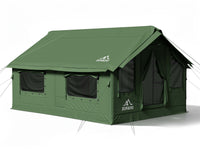
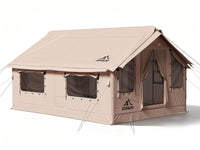
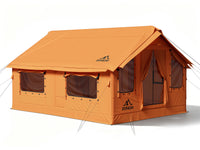
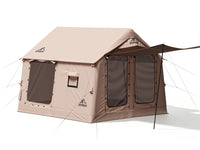
The key to storing a tent long-term is to dry it completely, avoid packing it too tightly, and keep it in a cool, dry place with a relatively stable temperature.
Even if your tent feels dry on the surface, moisture can still linger around the floor, seams, folds, and valves. Heat, humidity, and prolonged pressure can also increase the risk of damage while your tent is in storage.
Long-Term Tent Storage Checklist
|
What to Check |
Before Storage |
|
Tent fabric and floor |
Completely dry and free of visible dirt and debris |
|
Seams and corners |
No trapped moisture |
|
Packing condition |
Not packed too tightly |
|
Storage location |
Cool, dry, and relatively stable in temperature |
|
Stakes and hard accessories |
Stored separately to avoid pressing against the fabric |
|
Traditional tent poles |
Clean, dry, and not resting on the tent fabric for extended periods |
|
Inflatable tents |
Air beams fully deflated and valve areas dry |
Clean and Dry Your Tent Completely Before Storage
You don't need to deep-clean your tent after every trip, but before storing it for an extended period, remove dirt, leaves, and other debris from the floor, zippers, and corners.
For ordinary mud stains, start with water and a soft cloth or sponge. If sand is caught in the zippers, gently brush it away with a soft-bristled brush.
When drying your tent, pay attention to more than just the main fabric panels. Moisture can easily linger in these areas:
- Floor edges and corners
- Seams and folds
- Underside of the rainfly
- Lower edges of doors and windows
- Guyline attachment points
- Valves and areas around the air beams on inflatable tents
Check these spots carefully before putting your tent away. A dry-looking outer surface doesn't necessarily mean the entire tent is ready for storage.
If you have to pack up in the rain, it's fine to put your tent in its bag temporarily for the trip home. Just unpack it and let it dry completely as soon as possible. Never leave a wet tent packed away for an extended period.

How Should You Pack a Tent for Long-Term Storage?
There's no need to compress your tent into the smallest possible package when storing it long term.
If you have the space, use a roomy fabric or mesh bag that allows the tent to sit loosely. The original stuff sack is generally better suited for transport and short-term storage. If the tent fits tightly inside, avoid leaving it compressed for months at a time.
Whether you fold or stuff your tent matters less than a few basic precautions:
- Never fold or pack the tent while it's damp.
- Avoid keeping the fabric tightly compressed for extended periods.
- If you fold the tent, try not to create the same sharp creases every time.
- Keep stakes, metal parts, and other hard or sharp accessories from pressing directly against the fabric.
If you're using a plastic storage bin, make sure the tent is completely dry before placing it inside. A sealed bin can help keep out dust and outside moisture, but it won't remove moisture already trapped in the tent.
For tents with traditional poles, make sure the poles are clean and dry as well. When breaking down segmented poles, start in the middle and work toward the ends to distribute tension more evenly along the internal shock cord. Avoid leaving the poles resting directly on the tent fabric for long periods.
Choose the Right Place to Store Your Tent
A cool, dry space without major temperature swings is generally the best place to store a tent.
|
Storage Location |
Recommendation |
Main Risks |
|
Indoor closet or storage room |
Generally suitable |
Pressure from heavy items |
|
Garage |
Depends on conditions |
Heat, humidity, temperature fluctuations |
|
Basement |
Depends on conditions |
Humidity, condensation, musty odors |
|
Attic |
Generally not ideal |
High summer temperatures |
|
Car trunk |
Not suitable for long-term storage |
Heat and compression |
When choosing a storage spot, focus on three things: humidity, temperature, and pressure.
A space that stays damp, gets very hot in summer, or leaves your tent buried under storage bins, chairs, or other gear isn't a good choice for long-term storage.
That doesn't mean garages and basements are always off-limits. Either can work if it stays dry, doesn't get excessively hot, and provides enough room to keep heavy items off the tent. The conditions matter more than the type of space.
Check Air Beams and Valves Before Storing an Inflatable Tent
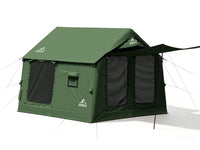
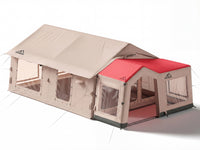
ZONKOO inflatable tents use an integrated Air Beam support system, so the air beams pack away with the tent itself. Unlike traditional pole tents, there's no need to take apart and store long tent poles separately.
Before storing your inflatable tent for an extended period, fully deflate it according to the product instructions and check the following:
- Valves for moisture, dirt, or debris
- Areas where the air beams connect to the tent fabric for any remaining moisture
- The tent floor and lower fabric panels for damp spots
- Visible sections of the air beams and their outer coverings for unusual wear, compression marks, or damage
Keep stakes, air pumps, and other hard accessories separate so sharp edges don't press against the tent fabric or air beams.
Large inflatable tents can still take up considerable space when packed. If you're storing one in a garage or storage room, avoid stacking bins, chairs, or other heavy items on top of it for long periods.
Further Reading: Large Tent Packing Tips: Inflatable Tents Are Actually Easier to Pack Than You Think

Inspect Your Tent Before Your Next Camping Trip
If your tent has been stored for several months, take it out and give it a thorough inspection before your next trip.
Look for:
- Musty odors or visible mold
- Sticky tent fabric or rainfly material
- Peeling waterproof coatings
- Loose or peeling seam tape
- Zippers that don't open or close smoothly
- Damaged guylines or adjusters
- Fabric damage caused by pests or sharp objects
For inflatable tents, a quick test setup can also help confirm that the air beams inflate properly and the valves close securely.
Checking your tent ahead of time gives you a chance to spot mold, coating problems, missing accessories, or air beam issues before you arrive at the campground and discover something isn't working.
Get Ready for Your Next Camping Trip
Proper tent storage isn't just about keeping things neatly packed. It's about making sure your tent is easier to get ready the next time you need it. Taking care of moisture, dirt, accessories, and storage conditions now means less to deal with when it's time to set up camp again.
This matters especially if your tent will be stored for several months or an entire camping season. The more care you take before putting it away, the fewer problems you're likely to face when you bring it out again.