Long-term tent camping isn't about bringing more gear than you would on a weekend trip. It's about setting up a campsite that remains comfortable and practical for everyday use over several weeks.
A stay of several weeks brings challenges you might not encounter on a short trip. Campgrounds may limit how long you can stay, your tent needs space for sleeping, storage, and daily activities, and essentials like water, food, electricity, and laundry require ongoing planning.
The key is to choose a suitable campground, organize your space, and establish a routine that works throughout your stay.
Check Campground Rules and Campsite Conditions
A campground that works for a weekend may not be suitable for several weeks. Before booking, review its policies and the conditions of the campsite.
Here's what to check:
- Maximum stay limits and extension policies
- Availability of weekly, monthly, or seasonal campsites
- Restrictions on tent size and the number of tents allowed
- Drainage, shade, sun exposure, and distance to water sources and restrooms
- Long-term rates and additional fees for utilities or facilities
- Availability of drinking water, restrooms, showers, and laundry facilities
- Trash disposal arrangements
- Nearby grocery stores, gas stations, and other supply stops
If your trip extends into the off-season, check whether facilities will remain available. Some campgrounds stay open even after water, showers, or other services have been shut off.
What Kind of Tent Works Best for Long-Term Camping?
For an extended stay, your tent needs to do more than provide a place to sleep. Beds, clothing, storage bins, and everyday gear all take up space, so a practical layout matters.
Look for these features:
- Room for separate areas: Enough space for sleeping, storage, and clear walkways.
- Standing height: Room to change clothes, make beds, and organize gear comfortably.
- Good ventilation: Windows and openings that help moisture escape and reduce condensation.
- Easy maintenance: Accessible stakes, flooring, and support structures for regular inspections.
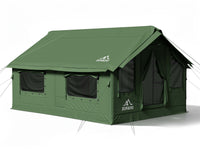
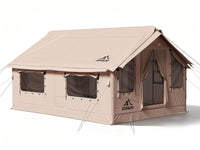
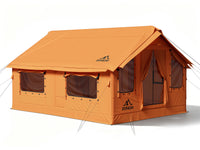
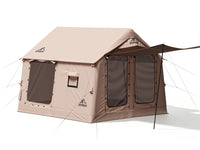
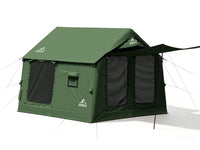
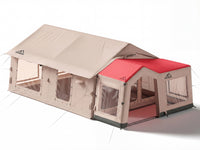
ZONKOO Draco and Draco Plus both offer spacious interiors and flexible layouts, making them well-suited for long-term tent camping.
Draco provides 183 sq ft of interior space and 7'3" of standing height, with room for beds, storage bins, and everyday activities. A removable divider separates the interior into two areas, while 12 windows and 4 skylights provide natural light and ventilation, with adjustable coverings for privacy.
Draco
Draco Plus builds on the Draco design by adding a gazebo area, bringing the total usable space to 252 sq ft. The gazebo can be used for dining, relaxing, and daytime activities, leaving the main tent for sleeping and personal space. For families or groups, this separate sleeping and living arrangement helps keep different activities from interfering with one another.
Draco Plus
Set Up Dedicated Areas Around Your Campsite
When you're staying at the same campsite for weeks, gear can quickly take over walkways and shared spaces. Giving everything a designated place from the start helps keep the campsite organized.
|
Area |
Main Use |
|
Sleeping area |
Beds, bedding, and personal belongings |
|
Storage area |
Everyday gear and spare supplies |
|
Living area |
Tables, chairs, and relaxation |
|
Cooking area |
Cooking equipment and food preparation |
|
Wet gear area |
Rain jackets, shoes, and items that need to dry |
Keep the space around beds and entrances clear, and dry damp bedding promptly. Choose sleeping pads, air mattresses, or camping cots based on your tent's available space, expected temperatures, and sleeping preferences.
Further Reading: How to Sleep Comfortably in a Tent? A Guide to Camping Sleep Systems
Keep frequently used items, such as headlamps, shoes, jackets, and kitchen supplies, in easy-to-reach spots. Store spare gear together, and keep food, trash, and other scented items out of the sleeping area, following campground rules and local wildlife regulations.
Plan Your Supplies and Daily Routine
You don't need to bring enough supplies for the entire trip. Instead, figure out where you can restock and how often you'll need to.
Locate drinking water and nearby grocery stores before you arrive. Plan water refills and shopping trips around your storage and refrigeration capacity. If cooler space is limited, buying groceries every few days may be more practical.
At campsites without electrical hookups, plan how you'll charge phones, lights, fans, and air pumps. Check whether showers, laundry facilities, and trash disposal are available, and find nearby alternatives if needed.
Keeping a regular schedule for groceries, water, charging, and laundry can help cut down on unnecessary trips.

Secure Your Campsite Before Leaving
During an extended camping trip, you'll likely leave the campsite for groceries, laundry, or other activities. Before heading out:
- Take valuables with you or store them securely.
- Store food, trash, and scented items according to local rules.
- Put away gear that could blow away or get wet.
- Check tent stakes, guy lines, and anchor points.
- Check the forecast for heavy rain or strong winds.
If you'll be away for an extended period, review campground rules about leaving tents and equipment unattended. Don't assume you can leave everything at your campsite indefinitely.
Keep Your Tent in Good Condition
A tent left pitched for weeks is exposed to sun, rain, dirt, and constant contact with the ground. Regular checks can help you catch loose components, moisture buildup, and signs of wear before they become bigger problems.
|
When |
What to Check |
|
Daily |
Ventilation, wet gear, dirt, and general cleanliness |
|
After strong winds or rain |
Stakes, guy lines, drainage, and overall tent condition |
|
Weekly |
Anchor points, air beams or poles, and signs of wear |
Dry wet clothes, shoes, and towels promptly to prevent moisture from building up inside the tent. Removing dirt and sand also helps reduce wear on the tent floor.
If water repeatedly pools around your tent after rain, reassess the site's drainage. During prolonged sun exposure, check the fabric for signs of deterioration or damage.
If you add a shade structure, make sure it doesn't interfere with the tent's ventilation, drainage, or anchoring.
Long-Term Tent Camping Checklist
Before heading out, make sure you have the essentials:
- Campground information: Reservations, stay limits, facility availability, and nearby supply stops
- Tent and sleeping gear: Tent, groundsheet, stakes, guy lines, air pump, and bedding
- Water and food: Water containers, cooking equipment, cooler, and basic groceries
- Campsite living: Tables, chairs, storage bins, drying supplies, and waterproof storage
- Clothing and hygiene: Extra clothes, rain gear, toiletries, and laundry supplies
- Power and lighting: Headlamps, lanterns, chargers, and backup power
- Cleaning and maintenance: Trash bags, cleaning supplies, repair tools, and spare stakes
- Safety essentials: First aid kit, medications, sunscreen, and insect repellent
Prioritize what you'll need on arrival, items that may be difficult to replace nearby, and essential safety gear. Food and other everyday supplies can be replenished during your stay.
Make Long-Term Camping More Comfortable
A comfortable extended stay comes down to having enough space, keeping essentials organized, and following a manageable routine. Choosing the right campground and tent from the start helps reduce daily adjustments and makes campsite living easier.