Sharing a tent with the whole family involves more than finding room for everyone's beds. Privacy, gear storage, and shared living space all matter, especially when camping with teenagers, pets, or multiple families.
Multi-room tents divide the interior with curtains or separate sleeping areas, but more rooms aren't always better. The right multi-room tent depends on your family size, usable floor space, divider design, and interior walkways. A good layout should provide enough room for sleeping, privacy, and shared activities.
What Is a Multi-Room Tent?
A multi-room tent uses dividers or separate inner tents to create two or more areas, giving family members designated spaces for sleeping, changing, and storing gear.
Before choosing one, it helps to understand the common layouts found in family camping tents:
|
Layout Type |
Design Features |
Best For |
|
Open-plan layout |
No dividers, with flexible space for beds and gear |
Families with young children who prefer an open interior |
|
Two-room layout |
Two areas separated by a curtain or separate inner tents |
Parents and children who want separate sleeping areas |
|
Three-room layout |
Three relatively separate sleeping areas |
Large families or groups of adults |
|
Functional zoning |
Dividers or furniture separate sleeping, storage, and living areas |
Families with extra gear or planning multi-day trips |
Open-plan tents have no separate rooms, making them suitable for families who prefer flexible sleeping and storage arrangements. Two-room and three-room tents offer more separation for sleeping. Functional zoning, meanwhile, organizes the tent by purpose without necessarily creating private bedrooms.
How Much Space Does a Family Tent Need?
A tent rated for 6, 8, or 10 people doesn't necessarily provide enough room to move around comfortably. Mattresses, luggage, and camping gear all take up floor space, so actual dimensions matter more than capacity ratings alone.
For example, a standard queen-size air mattress measures 60 × 80 inches and occupies 4,800 square inches. Two mattresses take up 9,600 square inches before accounting for luggage or walkways. Even if a tent has enough total floor space, individual rooms may still be too small for the mattresses you need.
When planning the interior, consider four things:
- Sleeping space: Check that each room can accommodate the mattresses you plan to use.
- Walkways: Make sure there's room to move around and reach the entrance after setting up the beds.
- Storage space: Allow enough space for luggage, shoes, and camping gear.
- Usable height: Look beyond the maximum height and consider how sloping walls affect bed placement and movement.
For trips lasting several nights, or when you expect to change clothes, organize gear, or spend time inside during rain, leave additional room for shared activities.

Which Multi-Room Tent Layout Works Best for Your Family?
The best layout depends on who's camping together, their ages, and how they use the space.
Parents with young children: Open-plan or two-zone layout
Young children often need attention during the night, so an open-plan or two-zone layout can be more convenient.
An open layout keeps beds close together, making it easier for parents to look after their children. A two-zone layout separates sleeping space from toys and luggage, helping keep the sleeping area tidy. With a removable divider, the layout can also change as children grow.
Parents with teenagers: Two-room layout
Teenagers often appreciate having their own space to change clothes and sleep. A two-room layout separates their sleeping area from their parents', helping minimize disruptions.
Check the size of both rooms to make sure there's space for mattresses and personal belongings without taking up the entire shared living area.
Multiple adults or two families: Two-room or three-room layout
When several adults camp together, both sleeping privacy and shared space matter. A two-room or three-room tent lets each family rest separately while keeping a common area for spending time together or organizing gear.
For larger groups, two separate tents may also be worth considering. They offer greater visual privacy and separation from noise, though you'll need space to pitch both tents and should check the campground's rules on tent limits.
Families with pets or extra gear: Functional zone layout
When camping with pets or bringing more equipment, separate areas for sleeping, storage, and pets can help keep bags and supplies out of the main walkways.
If gear takes up a lot of space, a dedicated storage area may be more useful than an extra sleeping room. Place your pet's resting area somewhere well-ventilated that won't block entrances or walkways.

How to Choose a Multi-Room Tent?
When comparing multi-room tents, look beyond the number of rooms. Pay attention to each sleeping area's dimensions, how well the dividers close, entrance placement, and ventilation.
How much privacy do room dividers provide?
Basic fabric dividers provide visual privacy but do little to block sound. Separate inner tents with zippered doors offer more complete visual separation.
If family members follow different sleep schedules, consider whether the dividers close fully, how far apart the sleeping areas are, and whether lights at night might disturb others.
Are entrances and interior walkways convenient?
Having to walk through someone else's sleeping area to get in or out can be disruptive, especially at night.
Look for a layout where each sleeping area opens onto a shared space. Once mattresses and luggage are in place, there should still be clear walkways and unobstructed entrances.
Do room dividers affect ventilation and usable space?
Dividers can restrict airflow inside a tent. If a sleeping area doesn't have its own vent, check how air circulates when the divider is closed to help prevent stuffiness and condensation.
Fixed dividers can also limit where you place mattresses and how you use the interior. Removable dividers offer more flexibility when the number of campers changes.
A well-designed multi-room tent does more than divide the space. It should balance privacy, easy access, and comfort throughout the interior.
How Can Large Inflatable Tents Meet Family Space Needs?
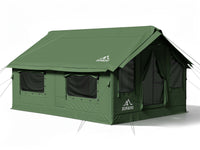
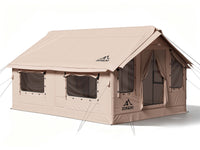
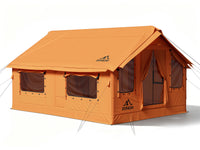
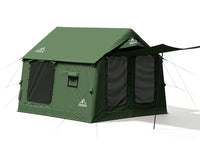
For families who want private sleeping areas without giving up shared living space, ZONKOO large inflatable tents offer roomy interiors and flexible layouts for sleeping, storage, and everyday activities.
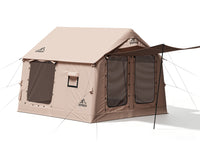
ZONKOO Draco has 183 sq ft of interior space and a standing height of 7'3". Its center-pole-free design makes it easier to arrange mattresses and furniture. A removable divider curtain splits the interior into two areas, giving parents and children separate places to sleep. With fewer campers, the divider can be opened to create a larger shared living area.
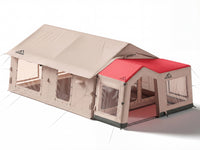
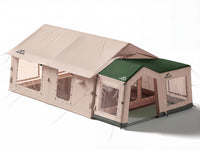
For families who prefer to keep dining, relaxing, and gear organization separate from the main sleeping area, ZONKOO Draco Plus combines a two-zone main tent with a Gazebo extension. Together, the main tent and Gazebo provide 252 sq ft of space. Families can sleep and rest in the main tent while using the extension for tables and chairs, gear organization, or meals together.
Related Reading: Draco Plus: More Living Space for Family Camping
Draco suits families who want flexibility in arranging sleeping and storage areas. Draco Plus offers more shared space for families who often take multi-day car camping trips.
Draco
Choose a More Comfortable Camping Space for the Whole Family
Choosing the right multi-room tent comes down to family size, sleeping privacy, and usable space. A thoughtful layout gives everyone a comfortable place to rest while leaving room for shared activities and gear.