Choosing the right tent for winter camping starts with matching its weather protection to the conditions at your destination. For low-elevation campsites with stable weather and little to no snow, a tent with good wind resistance, waterproofing, and ventilation may be enough. If you expect sustained snowfall, strong winds, or harsh mountain weather, choose a specialized four-season tent designed for those conditions.
Beyond weather protection, consider interior space, ease of setup, and heating needs based on your group size, winter gear, and camping style.
What Type of Tent Should You Choose for Winter Camping?
Winter camping tents differ in seasonal suitability and support structure. Each type has its own strengths in weather protection, portability, and setup.
Three-Season vs. Four-Season Tents
Three-season tents are designed mainly for typical spring, summer, and fall weather. They tend to be lighter, with mesh inner tents and vents to improve airflow. Some can also work for recreational winter camping at low-elevation sites with stable weather and little to no snow.
Four-season tents are built for greater stability in harsh conditions. They generally have stronger support structures, more extensive rainfly coverage, and designs better suited to wind and snow. However, a four-season tent won't keep you warm on its own. Overnight warmth still depends primarily on your sleeping bag and insulated sleeping pad.
For conditions between typical three-season weather and sustained winter storms, extended-season or 3+ season tents are another option. These models often have added structural support and more closable fabric panels than standard three-season tents, but they are not substitutes for specialized four-season tents in strong winds or heavy snow.
Traditional Pole Tents vs. Inflatable Tents
Traditional pole tents use aluminum, fiberglass, or similar poles for support. Options range from lightweight backpacking tents to specialized mountaineering models. Lightweight designs are easier to carry, but assembling individual poles can be cumbersome in cold weather.
Inflatable tents use air beams instead of traditional poles, simplifying setup. This can be especially convenient for family or group car camping in cold conditions. However, the tent still needs to be secured with stakes and guy lines after inflation.
Temperature changes also affect air pressure. Air beams may soften as temperatures drop overnight, while warmer daytime conditions can increase pressure. Check and adjust the pressure as needed.
Planning to use an inflatable tent in winter? Learn how to set it up and use it safely in How to Safely Use an Inflatable Tent in Winter? A Complete Camping Guide.

What Key Features Should You Look for in a Winter Camping Tent?
When choosing a cold weather camping tent, focus on wind resistance, waterproofing, snow-load capacity, and ventilation. These features help determine whether a tent can handle the expected conditions.
Wind Resistance and Structural Stability
Winter camping can mean sustained high winds, especially at exposed campsites or higher elevations. Low-profile tents with less surface area exposed to the wind generally perform better in strong winds, while taller family tents need more secure anchoring.
Wind speed ratings reflect performance under specific test conditions, but real-world stability also depends on terrain, wind direction, and setup. In windy weather, use enough guy lines and appropriate stakes. Frozen or snow-covered ground may require specialized snow anchors.
Waterproofing and Snow-Load Capacity
Winter camping can bring rain, melting snow, and wet ground. Hydrostatic head ratings indicate how well a fabric resists water pressure, but they don't tell the whole story. Also check seam sealing, rainfly coverage, door and window construction, floor waterproofing, and drainage.
Waterproofing doesn't mean a tent can support heavy snow. Dense, wet snow adds weight to the roof and can deform the support structure. Sloped or curved roofs help limit snow buildup, but sustained snowfall calls for a specialized tent with adequate snow-load capacity.
Ventilation and Condensation Control
The temperature difference between the inside and outside of a winter tent can cause moisture from breathing and damp clothing to condense on cold interior surfaces, potentially soaking sleeping gear.
Adjustable vents and well-placed doors and windows help release moisture. Double-wall tents also allow air to circulate between the inner tent and rainfly, reducing direct contact between condensation and sleeping gear. Keep these ventilation pathways clear.
Avoid storing wet clothing and snow-covered gear in the sleeping area to help reduce moisture buildup inside the tent.

What Else Should You Consider When Choosing a Winter Camping Tent?
Beyond weather protection, interior space, ease of setup, and additional features can make a difference in everyday use.
Tent Size and Interior Space
Winter camping calls for extra room for bulky sleeping bags, insulated sleeping pads, and cold-weather clothing. Don't rely on a tent's stated sleeping capacity alone. Start with the space your sleeping pads require, then allow room for gear storage and movement.
Two campers carrying plenty of gear may prefer a three- or four-person tent. Families and larger groups may benefit from a roomier interior or separate living areas.
Ease of Setup and Portability
Handling tent poles and accessories with gloves can be difficult in cold weather, so a straightforward setup is worth considering.
For backpacking, weight and packed size matter. Car camping gives you more flexibility to choose a larger tent. If you're considering an inflatable model, account for the pump, power requirements, and suitability for low temperatures.
Stove Jacks and Heating Needs
If you plan to use a wood-burning stove inside your tent, look for a model with a stove jack. This heat-resistant opening allows a compatible stove pipe to pass through the tent. The stove, pipe, and fire protection components must all meet the tent's compatibility and safety requirements.
Keep the stove a safe distance from sleeping pads, clothing, and other flammable materials. Follow the equipment's installation and fire safety guidelines, maintain adequate ventilation, and use a carbon monoxide alarm suitable for tent environments. A stove jack does not mean a tent can safely accommodate any stove.
Choosing the Right ZONKOO Inflatable Tent for Winter Camping
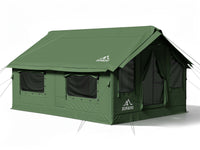
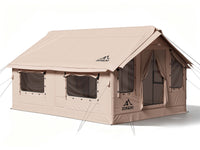
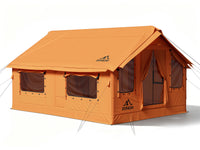
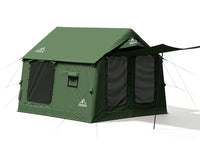
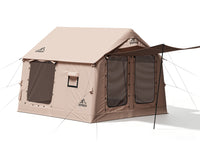
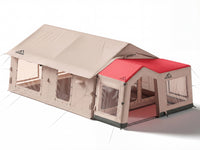
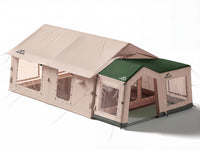
For winter car camping in relatively stable weather with little to no snow, ZONKOO's Orion, Vega, Draco, and Draco Plus offer different layouts and interior space options. All four use inflatable support structures and feature stove jacks that can accommodate compatible wood-burning stoves when installed according to the tent and stove requirements.
Orion: For Couples and Small Families Who Want Quick Setup
Orion offers 86 sq ft of interior space, sleeps 2–4 people, and takes 7 minutes to set up, making it a practical option for campers who want to get their campsite ready quickly. Its 6 ft 11 in interior height provides room to stand, change into bulky winter clothing, and organize gear. The interior also offers enough space for couples or small families on short winter camping trips.
Vega: For Families Who Value Interior Comfort
Vega offers 129 sq ft of interior space, accommodates 2–6 people, and features seven windows. Families of three or four have room for sleeping, gear storage, and daily activities. The windows also make it easier to adjust natural light and ventilation as conditions change, helping moisture escape. It's well suited to families planning to spend more time inside the tent.
Vega
Draco: For Groups That Need Separate Spaces
Draco offers 183 sq ft of interior space, a two-room layout, and room for 2–10 people. The separate rooms let campers keep sleeping areas apart from gear storage or give family members more privacy. In winter, this layout also helps keep bulky clothing and damp gear in designated areas, reducing disruptions when several people need to change clothes or organize their belongings.
Draco
Draco Plus: For Groups That Want a Separate Gathering Area
Draco Plus offers 252 sq ft of total space, accommodates 2–10 people, and combines a main tent with a gazebo. The main tent provides space for sleeping and gear storage, while the gazebo creates a separate area for daytime meals, relaxing, and group activities without crowding the sleeping area.
Choose the Right Tent for Your Winter Camping Needs
Start with the weather conditions at your destination, then choose a tent type and size that fit your group, gear, and setup needs.