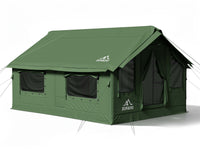
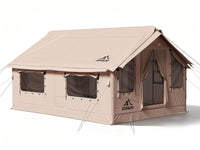
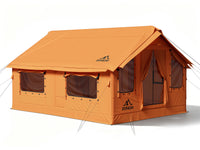
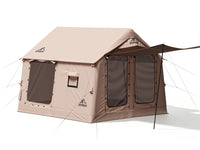
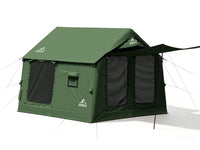
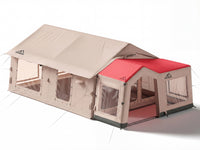
Inflatable tents can be used in winter, as long as the weather is stable, the campsite is suitable, and the tent is designed for the expected conditions. Standard inflatable tents are better suited to established winter campgrounds with vehicle access. They're not recommended for blizzards, freezing rain, strong mountain winds, or remote areas where evacuation could be difficult. Without a specified snow load rating, a tent should not be assumed safe for use in snowy conditions.
Winter camping also calls for extra attention to air beam pressure, ground anchoring, snow buildup, and condensation. Preparing ahead and checking your tent throughout the trip can help reduce the risks that come with cold weather.
Winter Inflatable Tent Checklist
Before heading out, use this checklist to cover the essentials.
|
What to check |
Key safety considerations |
|
Overnight temperature |
Check the forecast low against the tent's operating limits. |
|
Winter weather |
Watch for snow, freezing rain, sustained winds, and gusts. |
|
Campground conditions |
Confirm that the campground, access roads, and facilities are open. |
|
Air beam pressure |
Bring a pump with a pressure gauge and follow the specified inflation pressure. |
|
Ground anchoring |
Choose anchors suited to frozen soil, hard ground, or snow. |
|
Guy lines |
Secure them according to the setup instructions and check their tension. |
|
Ventilation |
Maintain adequate airflow and keep vents clear of snow. |
|
Snow buildup |
Check the tent's snow load limits and monitor accumulation. |
|
Heating safety |
Pack appropriate cold-weather sleep gear and use heaters cautiously. |
|
Emergency planning |
Plan an evacuation route or arrange backup accommodations. |
Check the Weather and Campsite Conditions Before You Go
Check the forecast for overnight lows, snowfall, freezing rain, and wind gusts before your trip. Compare the expected conditions with your tent's operating limits. If a blizzard, strong winds, or road closures are expected, change your plans.
Established campgrounds with vehicle access, reliable communication, and open roads are generally better suited to winter camping. Before booking, check the park or campground website to confirm that campsites, roads, and facilities are open.
Avoid exposed ridgelines, windy areas, dead trees, and low-lying spots covered in ice. Check beneath the snow for rocks, roots, or hidden holes. If conditions are noticeably worse than forecast, don't try to make an unsuitable campsite work.
Why Air Beams May Soften Overnight in Cold Weather
As temperatures fall, the pressure inside an inflatable tent's air beams drops. Slightly softer beams overnight don't necessarily mean there's a leak. Pressure may rise again as the temperature warms during the day.
If the beams feel softer than usual, check the valves first, then look for these signs:
- Several beams soften slightly: If they firm up as temperatures rise, the change may be temperature-related.
- One beam continues to collapse: If it softens again soon after reinflation, check the valve, air bladder, and any signs of damage.
Use a pump with a pressure gauge and follow the recommended pressure for your tent model. If a loss of pressure affects the tent's support, find and fix the problem before continuing to use it.
If you add air overnight, check the beams again the next day. Should they become noticeably tight as temperatures rise, release air according to the manufacturer's instructions to prevent overinflation.
For more guidance on inflation and air pressure adjustments, read our guide: How to Inflate an Inflatable Tent: A Beginner's Step-by-Step Guide.
Prepare the Ground and Secure Your Tent in Snow
Inflating your tent is only part of the setup. In winter, you also need to account for snow stability, how well the stakes hold, and guy line tension.
Clear away loose snow and check the ground for hidden holes, standing water, or sharp objects. If you're pitching on snow, compact the surface and let it settle first. Otherwise, the snow may sink beneath the tent and cause it to lean.
Different ground conditions call for different anchoring methods:
|
Ground conditions |
Anchoring considerations |
|
Frozen soil |
Use stakes designed for hard ground. Don't force unsuitable stakes into the soil. |
|
Deep, loose snow |
Use snow anchors, as standard short stakes may not hold securely. |
|
Thin snow over hard ground |
Clear the snow and choose anchors based on the surface underneath. |
|
Smooth ice |
Choose another campsite if you can't anchor the tent securely. |
Once the tent is inflated, secure all required stakes and guy lines according to the setup instructions. Orient the tent based on its design and the prevailing wind direction.
Large inflatable tents have more surface area exposed to the wind, which puts greater force on their anchor points. Check guy line tension after snowfall or changes in wind direction, as long as it's safe to do so.
Remove Wet Snow Before It Builds Up
Wet snow is generally much heavier than the same depth of dry snow. Even a relatively thin layer can put significant pressure on the tent roof and air beam connections.
Before camping in snowy conditions, check whether your tent is approved for that use. A standard inflatable tent without a specified snow load rating should not be treated as a tent designed to support accumulated snow.
If conditions are within the tent's approved limits, regularly check the roof, awnings, and flatter sections for buildup. Gently clear snow from outside with a soft tool. Avoid pushing up against the fabric from inside or striking frozen areas.
If snowfall intensifies, the tent begins to deform, or anchor points repeatedly loosen, stop using the tent and move to safety. Adding more air won't solve a snow load problem.
Keep Airflow Moving to Reduce Condensation
Condensation is common inside tents during winter. Moisture from breathing and damp clothing can collect on cold tent fabric, forming droplets that leave sleeping bags and other gear damp.
Keep the tent ventilated as designed, and make sure snow doesn't block the vents. Store wet shoes and jackets away from the sleeping area, and keep sleeping bags and luggage from pressing against the tent walls.
Some ZONKOO inflatable tents have side windows and roof vents that can be adjusted according to the weather and product instructions to help moisture escape. When several people share inflatable family tents, moisture can build up more quickly, making it especially important to manage wet clothing and condensation.
Ventilation doesn't replace proper insulation. Staying warm overnight still depends on a cold-weather sleeping bag, an insulated sleeping pad, and dry clothing.
Check Heating Equipment Before Using It in a Tent
Heating a tent in winter requires extra care because of carbon monoxide, fire, and electrical hazards. The safety requirements depend on the type of equipment.
- Camping stoves, charcoal burners, and grills
Never use these inside a sleeping tent. They can produce carbon monoxide, and open flames or hot surfaces can ignite tent fabric and other materials. Opening the tent door does not eliminate these risks.
- Portable gas heaters
Standard gas heaters should not be used inside sleeping tents. A heater labeled "indoor safe" is not necessarily suitable for tent use. Even specially designed equipment must meet both the heater manufacturer's and tent manufacturer's requirements. Do not operate fuel-burning heaters while anyone is sleeping.
- Electric heaters
Electric heaters don't produce carbon monoxide, but they still pose risks from tipping, overheating, and moisture. Use one only if both the heater and tent manufacturers permit it and the campground's electrical supply is suitable. Keep the heater at the required distance from tent fabric, air beams, and sleeping bags.
- Wood stoves and stove jacks
Wood stoves have specific requirements for chimney installation, insulation, fire protection, and ventilation that differ from those of portable heaters. Some ZONKOO inflatable tents include stove jacks designed for compatible stove systems, but that doesn't mean any wood stove can be installed. Confirm that your tent model supports the stove, check that the chimney pipe, insulation components, and fireproof mat are compatible, and follow campground rules.

Take Care When Packing a Wet or Frozen Tent
If zippers, valves, or tent fabric are frozen, don't force them open, fold them, or strike them. Clear away the snow and let the ice loosen before handling them gently.
When deflating the tent, avoid pressing hard on the air beams or folding fabric that's still frozen and stiff. If you can't pack the tent safely where you are, move it to a more suitable location first.
You can pack a damp tent temporarily for transport, but don't leave it stored wet. Once home, unpack it, clean it, and let it dry completely to prevent mold, odors, and damage to the materials.
A Safer Winter Camping Trip Starts With Preparation
Winter camping offers quieter campgrounds and a chance to experience the outdoors in a different season. But the weather, your equipment, and the campsite all need to be suitable.
Inflatable tents can make parts of the setup easier while leaving room for winter gear and activities inside. Understanding how cold affects air pressure, ground anchoring, and heating equipment can help you enjoy the experience with greater peace of mind.