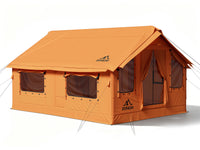
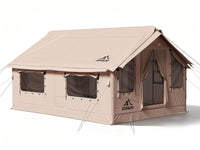
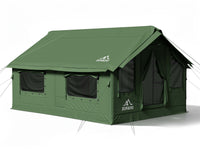
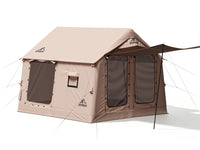
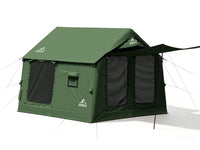
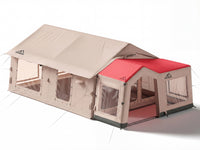
When a family stays at a campsite for several days, the tent is more than just a place to sleep. Once the mattresses are set up, there still needs to be room for luggage, kids need space to move around, everyone may stay inside when it rains, and separate sleeping areas can provide more privacy at night. Both the Coody 13.6 and ZONKOO Vega have removable dividers and two-room layouts, but they handle family camping differently.
The Coody 13.6 uses TC polycotton canvas and leans more toward spacious, long-term canvas camping. The Vega is designed for families of 2–6, with more standing height, seven windows, clearly defined waterproofing, and a lower price. What matters is how these differences affect everyday life at the campsite.
Coody 13.6 vs ZONKOO Vega Specifications
|
Specification |
Coody 13.6 |
ZONKOO Vega |
|
Capacity |
2–8 people (8 based on sleeping bag capacity) |
2–6 people |
|
Usable Interior Area |
13.6 m² / 146.39 sq ft |
12 m² / 129 sq ft |
|
Dimensions |
141.73 × 149.61 × 86.61 in |
118.1 × 157.5 × 90.6 in |
|
Interior Height |
80.31 in |
7′1″ |
|
Tent Fabric |
210 gsm TC polycotton, 65% polyester and 35% cotton |
420D Oxford fabric with PU coating |
|
Floor Material |
PVC floor |
PVC-coated mesh |
|
Windows |
6 windows |
7 windows, including 2 skylights and 5 side windows |
|
Waterproofing / Rating |
Rain Fly included |
PU5000 mm |
|
Setup Time |
—— |
11 minutes |
|
Net Weight |
132 lbs |
117 lbs |
|
Current Price |
$1,899 |
$1,299.99 |
|
Warranty |
1 year |
2 years |
Space, Layout, and Family Living
The real value of a two-room tent is not just the divider. It allows a family to separate sleeping, storage, and everyday living areas. Both tents have removable dividers. At night, the interior can be split into two areas for more privacy. During the day, removing the divider opens the space back up.
The Coody 13.6 has 146.39 sq ft of usable space. If a family wants to fit two larger mattresses along with storage boxes, clothing, and other camping gear, the extra floor area leaves more room for furniture. Its 8-person capacity is based on a sleeping bag layout, so near full capacity, the tent is used mainly for sleeping. With four to six people, the interior is much more spacious.
The Vega provides 12 m² of space for 2–6 people. Although its floor area is smaller than the Coody 13.6, the 7′1″ interior height allows adults to stand, change clothes, and make the bed comfortably. For a family of four or two adults camping with kids, beds can stay on one side while the other side remains available for luggage and daily activities.
The Coody 13.6 offers more floor space. The Vega uses its greater interior height to make 129 sq ft easier to use for standing, moving around, and everyday activities. The choice depends on whether a family values more floor area or a more open feeling when standing and moving inside.

Fabric, Ventilation, and Interior Comfort
On multi-day family trips, the tent often becomes a daytime living area as well. Fabric breathability and feel, along with airflow and natural light from the windows, affect how warm, humid, and comfortable the interior feels over several days.
The Coody 13.6 uses 210 gsm TC polycotton canvas. The cotton-polyester blend keeps the feel and natural breathability of canvas, giving the interior a more traditional canvas-camping feel during longer stays. The tent has six windows and transparent TPU window panels, allowing ventilation, light, and enclosure to be adjusted with the weather. TC fabric also needs to dry completely after getting wet.
The Vega uses 420D Oxford fabric with a PU coating, making it easier to clean and dry after mud, dust, or wet weather. Its seven windows include two skylights and five side windows, creating airflow from both the roof and sides. With several people inside, this helps release heat and moisture while bringing in more daylight.
The Coody 13.6 relies more on the breathability and feel of canvas, while the Vega uses windows in multiple positions to improve airflow and natural light. For multi-day family camping, the two designs create different interior comfort and ventilation experiences.
Weather and Seasonal Adaptability
During extended rain, the main concern is not just the tent getting wet. Water entering through seams, windows, or openings can soak mattresses, sleeping bags, and luggage, making the rest of the trip much harder.
The Coody 13.6 uses TC polycotton canvas and includes a Rain Fly. In rain, the outer fly reduces direct water exposure and provides the layered protection common in canvas tents. Its overall design leans more toward multi-season camping and suits families that enjoy canvas tents and plan longer stays across different seasons.
The Vega uses a PU5000 mm waterproof coating, fully taped seams, and double-layer waterproof side windows. Seams and windows are also protected against leaks. For multi-day family camping, this gives sleeping areas and gear more complete protection during extended rain. Reinforced air beams and multiple anchoring points also help the large tent stay stable in windy and rainy conditions.
When temperatures drop, both tents have stove pipe ports for tent stove pipes, allowing families to extend beyond regular spring, summer, and fall camping when weather and campsite conditions allow.

Setup and Transport
For family car camping, a large tent usually does not need to be carried far, but its weight still affects the effort needed to unload it, move it to the campsite, and unfold the tent.
The Coody 13.6 weighs 132 lbs. Its larger body and TC polycotton canvas make it easier to handle with two people. If a family stays at the same campsite for several days, that initial effort is balanced by the extra living space during the stay.
The Vega weighs 117 lbs, 15 lbs less than the Coody 13.6, making it easier to load, unload, and carry from the parking area to the campsite. It has an 11-minute setup time. For weekend family trips, especially when mattresses, luggage, and other gear still need to be arranged after arrival, the lighter weight and 11-minute setup make getting settled easier.
For longer stays at one campsite, space and living comfort may matter more. For frequent weekend trips or regular campsite changes, the Vega’s lower weight and faster setup become more useful.
Price and Included Features
When buying a large family inflatable tent, the price difference affects the overall camping budget. Families may also need mattresses, inflation equipment, and other campsite gear, so price alone does not determine which tent is the better fit.
The Coody 13.6 is currently priced at $1,899. More of that budget goes toward TC polycotton canvas, a spacious interior, a Rain Fly, and transparent TPU window panels. For families planning longer stays, bringing more furniture, and preferring the feel and Glamping atmosphere of canvas, the extra cost goes toward a more distinctive long-term camping experience.
The ZONKOO Vega is currently priced at $1,299.99, nearly $600 less, while still offering a two-room layout along with a pump, Flysheet, stakes, guylines, and other basic setup equipment. Buyers can also choose one gift between a double inflatable sofa bed set and an electric pump, helping reduce the initial cost of inflation equipment or other camping gear. For families mainly camping with 2–6 people and looking to balance space, weather protection, and the overall equipment budget, the Vega offers better value.
Which Is Better for Family Camping?
If your family prefers settling into one campsite for several days, bringing more furniture and everyday gear, and spending more for the feel of canvas and a long-term camping experience, the Coody 13.6 is a better fit.
If weekend car camping, short family trips, or multiple trips throughout the year are more common, and you want to balance comfort, weather protection, setup, transport, and budget, the ZONKOO Vega is a better fit for that camping style.
The choice is not simply about which tent has the bigger numbers. It depends on whether your family prefers longer stays or more frequent, flexible trips.
If you want to compare the Vega with other family inflatable tents, read: Zempire Evo TM V2 vs. ZONKOO Vega: Which Is Better for Camping with Kids?