Looking for a place to go tent camping in the U.S. this winter? Arizona is worth considering. With its dramatic desert mountains, towering saguaro cacti, and campgrounds suited to hiking, stargazing, and lakeside relaxation, there's plenty to explore even in November and December.
This guide covers five Arizona campgrounds open during winter, each offering a different experience, from desert mountain scenery and nature trails to dark skies and lakeside recreation. You'll find details on activities, campground facilities, and fees to help you plan your winter camping trip.
Why Is Arizona a Great Place to Camp in Winter?
Arizona's relatively mild winter weather, particularly in its lower-elevation southern and western regions, makes it a popular destination for winter camping. Summer temperatures in these areas can exceed 100°F (38°C), but from November through March, cooler days make spending time outdoors more comfortable. Desert temperatures can still drop sharply after sunset, sometimes reaching or falling below freezing.
Unlike parts of the U.S. that experience heavy snowfall, southern Arizona's lower elevations see relatively little snow and ice. Many state park and national park campgrounds stay open year-round, giving tent campers more options throughout the winter.
Lost Dutchman State Park
Location: Apache Junction, Arizona | Basic Campsites: From $35 per night
Lost Dutchman State Park sits at the foot of the Superstition Mountains, about 40 miles east of Phoenix. Saguaro cacti, desert shrubs, and rocky hillsides fill the surrounding landscape. At sunset, the mountains glow in shades of gold and reddish-brown, a view campers can enjoy right from the campground.
The park has hiking trails for different experience levels. Native Plant Trail offers an easy walk with opportunities to learn about local desert plants, while Treasure Loop Trail provides views of the surrounding peaks from different angles. For a more challenging hike, Siphon Draw Trail climbs the rocky slopes toward higher elevations.
Lost Dutchman offers both water-and-electric sites and basic sites without hookups, all suitable for tent camping. Facilities include picnic tables, restrooms, showers, and an RV dump station.

Catalina State Park
Location: Tucson, Arizona | Basic Campsites: From $50 per night
Located north of Tucson near the Santa Catalina Mountains, Catalina State Park covers approximately 5,500 acres and is home to nearly 5,000 saguaro cacti. Canyons, seasonal streams, and desert vegetation spread across the park, with towering saguaros set against the mountain backdrop.
Several trails offer different ways to explore the area. Birding Trail is well suited to spotting desert birds, while Romero Ruins Interpretive Trail leads visitors through local historical ruins. Canyon Loop Trail winds through the foothills, passing cacti, rocky terrain, and seasonal streams. The park also has trails for horseback riding and mountain biking.
Catalina State Park has two main camping areas with sites for both tents and RVs. Some sites have water and electric hookups, and facilities include restrooms, showers, and an RV dump station.
Twin Peaks Campground
Location: Ajo, Arizona | Basic Campsites: From $20 per night
Twin Peaks Campground is located in Organ Pipe Cactus National Monument, about 1.5 miles from the Kris Eggle Visitor Center. The area is known for its organ pipe cacti, whose multiple column-shaped stems grow upward from a single base. Alongside saguaros, desert shrubs, and distant mountains, they form a landscape distinctive to the Sonoran Desert.
The nearby Campground Perimeter Trail offers an easy way to explore desert plants and take in views of the surrounding peaks. Visitors can also learn about the local ecosystem at the Kris Eggle Visitor Center or drive the park's scenic roads to see different cactus communities. Far from major cities, Twin Peaks has relatively little artificial light, making it a good spot for stargazing.
The campground has 208 sites, including 34 tent-only sites and 174 RV sites. Facilities include flush toilets, drinking water, and solar-heated showers, but individual campsites have no water or electric hookups. Standard sites come with picnic tables and grills, and each site allows up to six people and two tents.
Twin Peaks is open year-round, with basic campsites costing $20 per night. A separate park entrance fee applies: $25 per private vehicle, valid for seven days. Quiet hours run from 10 p.m. to 6 a.m. Ground fires and collecting firewood within the park are prohibited.
Lake Havasu State Park
Location: Lake Havasu City, Arizona | Basic Campsites: From $50 per night
Lake Havasu State Park stretches along the shores of Lake Havasu in western Arizona. Sandy beaches, open water, and surrounding desert mountains define the landscape. Some campsites sit close to the shoreline, offering views of the lake framed by mountains and desert scenery.
The 1.75-mile Mohave Sunset Trail passes through low-desert terrain and along the lakeshore. At Arroyo-Camino Interpretive Garden, visitors can explore native desert plants and may spot birds, lizards, and other wildlife. The park is also close to Lake Havasu City's famous London Bridge, a historic bridge relocated from London, England.
Lake Havasu State Park has 54 campsites and 13 lakeside cabins. The camping area offers restrooms and showers, and some sites have water and electric hookups. Beaches, picnic areas, and boat launches are also available. Tents must be pitched at designated campsites and are not allowed in the cabin areas.

Picacho Peak State Park
Location: Picacho, Arizona | Basic Campsites: From $25 per night
Picacho Peak State Park lies between Phoenix and Tucson, just off Interstate 10. Its defining feature is a rugged rock formation rising above the desert plain, surrounded by saguaro cacti, desert shrubs, and open hillsides. From the campground, visitors can see the distinctive outline of Picacho Peak and the desert stretching into the distance.
Hunter Trail is one of the park's best-known hikes, with steep, rocky sections that require hikers to use fixed cables in certain areas. It's better suited to those with some hiking and climbing experience. Higher up, the trail rewards hikers with sweeping views of the surrounding mountains and desert. For a less demanding outing, Nature Trail offers a shorter walk with opportunities to see native desert plants up close.
The park offers seasonal basic campsites during winter, starting at $25 per night. There are also 78 standard sites with electric hookups, starting at $50 per night, for tents and RVs. Standard sites have picnic tables and grills or fire pits, with shade structures at some locations. Individual water and sewer hookups are not available.
The campground has restrooms and hot showers, although one shower building may close seasonally. The park entrance gate is closed from 8 p.m. to 5 a.m., and hiking trails are closed between sunset and sunrise. Generators are prohibited, and nighttime lighting is restricted.
Want to explore more camping destinations? Visit ZONKOO's tent camping near me page to find more options.
What Should You Bring for Winter Camping in Arizona?
Cold-weather clothing and sleeping gear
Winter temperatures in Arizona's desert regions can change dramatically between day and night, sometimes dropping below freezing after dark. Choose a sleeping bag and insulated sleeping pad rated for your campground's expected low temperatures. Pack thermal base layers, a fleece jacket, a windproof outer layer, thick socks, and a warm hat.
Choosing the right tent
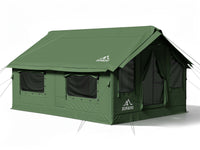
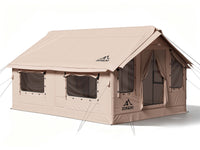
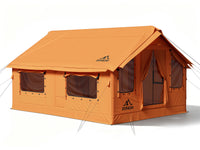
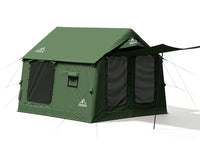
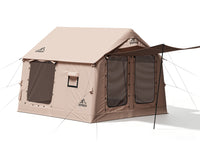
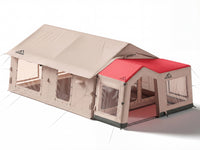
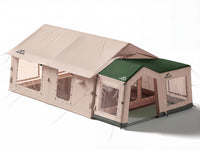
For winter camping, look for a tent with enough room for your gear, a straightforward setup, and secure anchoring. ZONKOO's inflatable camping tents use an Air Beam support system instead of traditional poles, reducing the time needed to pitch the tent.
Some ZONKOO models have a stove jack for use with a compatible tent stove, provided the campground permits it and all safety requirements are met. Proper ventilation and a carbon monoxide detector are essential. Never leave a stove burning unattended or while sleeping.
Some campsites have gravel or hard-packed soil, so check the site's dimensions before your trip and bring suitable tent stakes and guy lines.
Desert camping safety
Check whether your campground has drinking water and bring enough supplies for your stay. For remote campgrounds such as Twin Peaks, check your fuel level, road conditions, and cell service before setting out.
Avoid pitching your tent in dry washes or low-lying areas that could flood after sudden rainfall. Check trail difficulty and plan your return time before heading out on a hike. Be sure to review current fire restrictions, too. A campsite with a fire ring doesn't necessarily allow campfires.
Which Campground Is Right for You?
Lost Dutchman State Park is a good fit for families who enjoy mountain scenery and easy hikes. If you're new to desert camping or interested in birdwatching and nature trails, Catalina State Park may be a better match.
For quiet surroundings and stargazing, consider Twin Peaks Campground. If lakeside walks and a relaxed getaway sound more appealing, Lake Havasu State Park is worth a look. Picacho Peak State Park is best suited to visitors who enjoy challenging hikes, climbing, and outdoor photography.
Once you've chosen your destination, reserve your campsite, check the forecast, and pack the right gear to make the most of your winter camping trip.