Fall colors arrive at different times across Maine depending on latitude and elevation. Peak color usually reaches the northern mountains first, followed by the western lakes and the Midcoast. Northern forests are often at their peak by late September. By mid-October, maples and oaks along the coast add red and orange to the surrounding evergreens.
Scenery is only part of choosing a fall campground. Campers also need to consider whether a campsite can accommodate their tent, how close vehicles can get, whether water and showers remain available late in the season, and whether pets are allowed. All five campgrounds below allow tent camping and offer mountain, lakeside, or coastal fall scenery.
Travel Notice: Rates, operating dates, reservation rules, facilities, and pet policies may change. Listed prices are base nightly campsite fees. Reservation fees, lodging taxes, utility or group-site fees, and park entrance fees may cost extra. Foliage timing also depends on the weather. Check the campground website and Maine’s current foliage report before leaving.
1. Katahdin Stream Campground
Location: Baxter State Park | Base Campsite Rate: From $38 per night | Typical Peak Foliage: Late September to early October
Katahdin Stream Campground is located at the foot of Katahdin. It has the strongest wilderness feel of the five campgrounds. From late September to early October, the surrounding forest turns red, orange, and gold. The stream, waterfalls, and outline of Katahdin give the fall scenery more depth.
The Hunt Trail begins at the campground and leads to Baxter Peak. It is also part of the Appalachian Trail. The climb is about 5.2 miles each way and gains more than 4,000 feet in elevation. It is a strenuous, full-day hike. For an easier option, hike about one mile through the forest to Katahdin Stream Falls.
The campground has 10 designated tent sites and is accessible by car. The access road is narrow and unpaved, so the drive may take longer than expected. Campers bringing a larger tent should confirm the usable setup space at their selected site.
Facilities are basic. Natural water sources are available nearby, but there is no potable tap water. All water must be filtered or treated. The campground has privies but no showers, store, or restaurant. Campers must bring their own food, cooking equipment, water-treatment supplies, and other overnight gear. All trash must be packed out.
Pets are not allowed in Baxter State Park campgrounds or on its trails. Campers traveling with pets will need to choose another campground.
Katahdin Stream campsites can be reserved up to four months in advance. The 2026 camping season is scheduled to run through October 22. Campers must reach the park entrance by 8:30 p.m. for their first check-in. Vehicles registered outside Maine must also pay a separate entrance fee. Allow extra time for the final part of the drive because travel is slow on the road into the campground.

2. Lily Bay State Park
Location: Moosehead Lake | Base Campsite Rate: From $20 per night for Maine residents and $30 per night for nonresidents | Typical Peak Foliage: Early October
Lily Bay State Park is located on the eastern shore of Moosehead Lake. At peak foliage, the red and gold lakeside forests reflect on the water. Morning mist and low evening light make the lakeside fall colors especially scenic. Unlike Katahdin Stream, where hiking is the main focus, Lily Bay offers lakeside walks, boating, fishing, and a quieter campground experience.
The park has two camping areas. Some campsites can be reached by vehicle, while others are walk-in tent sites accessed from a parking area. Several sites are close to the shore, but not all of them have direct lake views. A drive-up site is more convenient for campers bringing more gear or a larger tent.
The campground provides potable water, restrooms, and showers. It also has a boat launch and a swimming area. A trail runs for about two miles along the shore, offering views of the changing forest and lake without a strenuous hike. The lake is cold in the fall, and winds can increase quickly. Canoe and kayak users should stay close to shore.
Pets are allowed but must be leashed and may not be left unattended at the campsite. Pets are not allowed on the Moosehead Lake swimming beach through September 30. Leashed pets are allowed starting October 1.
The Lily Bay camping areas are scheduled to close at noon on October 15, 2026. After mid-September, remaining unreserved sites usually become available on a first-come, first-served basis. It is still best to plan early if you want a site near the lake during peak foliage.

3. Mount Blue State Park
Location: Western Maine | Base Campsite Rate: From $20 per night for Maine residents and $30 per night for nonresidents | Typical Peak Foliage: Early to mid-October
The campground at Mount Blue State Park is located on the shore of Webb Lake and surrounded by the mountain forests of western Maine. From early to mid-October, the lakeside hardwoods reach peak color. Visitors can see the distant slopes and their reflections on the water. The area feels less remote than Katahdin, but its mountain views, lake scenery, and campground facilities make it easier to plan a relaxed fall trip.
Campsites are set among the trees and vary in size and ground conditions. Some areas can accommodate medium or large tents more easily than others. Not every site has a direct view of Webb Lake. Most lake views are found along the public shoreline, trails, and water recreation areas.
The campground provides potable water, showers, restrooms, a dishwashing area, firewood, and a boat launch. Hopping Frog Nature Trail is suitable for an easy walk through the woods. Swett Brook Trail leads farther into the forest. Campers who want views from a higher elevation can also hike nearby trails during the day and return to the lakeside campground at night.
Pets are allowed in the campground but must remain leashed and under their owner’s supervision. Leashed pets are allowed on Webb Lake Beach starting October 1. This gives campers traveling with pets more access to the lakefront than during the summer season.
The Mount Blue camping area is scheduled to close at noon on October 15, 2026. After mid-September, remaining sites are generally available on a first-come, first-served basis. Because peak foliage occurs close to the campground’s closing date, early October usually offers the best balance of fall color and campsite availability.

4. Camden Hills State Park
Location: Midcoast Maine | Base Campsite Rate: From $25 per night for Maine residents and $35 per night for nonresidents | Typical Peak Foliage: Mid-October
Camden Hills State Park is a good option for campers who want to see fall colors, a harbor, and the Atlantic coast. The campground itself is wooded and does not directly overlook the bay. The area’s best-known fall views are found at Mount Battie and Ocean Lookout. From these higher viewpoints, visitors can see Camden Harbor, Penobscot Bay, offshore islands, and hillsides covered in fall color.
Park trails can be accessed from the camping area. Mount Battie Trail is not long, but some sections are steep. Campers who prefer not to hike can drive to the summit area and walk to the viewpoint. Coastal forests usually change color later than northern Maine, reaching peak foliage around mid-October. This makes Camden Hills better suited to the later part of a fall trip.
The campground provides potable water, restrooms, and showers. Some campsites also have water and electric hookups. These sites cost more than standard campsites, and the exact rate depends on the site type selected during booking. Trees provide some shelter, but coastal weather can still bring strong winds and damp conditions. Tents should be fully secured with the required stakes and guylines. Before pitching, check overhead and avoid areas beneath dead limbs or branches that could fall.
Pets are allowed in the campground but must remain leashed and cannot be left unattended at the campsite. When hiking with a pet, keep the leash under control to avoid disturbing other visitors or wildlife.
Coastal foliage is usually at its best around mid-October, but the campground closes at noon on October 15. This leaves a relatively short window for fall camping.

5. Blackwoods Campground
Location: Acadia National Park | Base Campsite Rate: From $30 per night | Typical Peak Foliage: Mid-October
Blackwoods Campground is located on Mount Desert Island and offers a convenient base for fall tent camping in Acadia National Park. Spruce, fir, and hardwood trees surround the campground. In fall, red foliage contrasts with the dark green evergreens. The rocky coast is about a 10-minute walk from the campground. Park Loop Road, Ocean Path, and the park’s carriage road system are also easy to reach by car.
Blackwoods is not an ocean-view campground. Most campsites are located in the woods. Campground roads are paved, and vehicles can park near the campsites, making it easier to move tents and camping gear. All tents and equipment must remain within the designated campsite. Each site allows no more than two tents, so campers using a large tent should check the site dimensions before booking.
The campground provides potable water, flush toilets, picnic tables, and fire rings, but it does not have showers. Paid shower facilities are available nearby. Food, trash, and scented items cannot be stored in a tent. They must be placed inside a closed vehicle before campers leave the site or go to sleep.
Pets are allowed at Blackwoods Campground but must be kept on a leash no longer than six feet or inside a crate. They cannot be left unattended. Some trails in Acadia do not allow pets, so campers should plan pet-friendly routes in advance.
Reservations are required at Blackwoods, and the campsite fee does not include an Acadia National Park entrance pass. Most campsites become available six months in advance, while a small number are released 14 days before the stay. The 2026 camping season is scheduled to run through 10:00 a.m. on October 19. Because Blackwoods stays open later than the three state park campgrounds above, it covers more of Acadia’s peak coastal foliage period.

Which Maine Campground Is Right for Your Fall Trip?
If your trip centers on mountain foliage, waterfalls, and a more primitive wilderness setting, Katahdin Stream is the strongest match. However, it has the most basic facilities, and the road into the campground can be more challenging. It is not the best choice if convenience is your main priority.
For foliage reflected on the water, lakeside walks, and water activities, Lily Bay best matches the fall experience at Moosehead Lake. Mount Blue also offers lake views, but its campground facilities and nearby activities are more balanced. It suits campers who want to add short hikes to a lakeside stay.
Camden Hills offers views of fall foliage, the harbor, and the bay from mountain overlooks. It is a good choice for a road trip along Maine’s Midcoast. However, the campground closes close to the coastal foliage peak, so the available camping window is limited.
Blackwoods works well as a base for a fall trip to Acadia. The campground itself is mostly wooded, but it provides convenient access to the rocky coast, scenic roads, and park trails. It also stays open slightly later than the three state park campgrounds.
To find more campgrounds in Maine, use the ZONKOO Tent Camping Near Me page, then narrow the options by operating dates, campsite type, and amenities.
How to Choose a Tent for Fall Camping in Maine
Fall temperatures in Maine can vary widely between day and night. Morning dew, brief rain, and wind near lakes and the coast can also affect the camping experience. When choosing a tent, focus on water resistance, ventilation, and secure setup. Windows and vents help release moisture and reduce condensation. Tents should be fully secured with the required stakes and guylines.
Fall campers usually bring thicker sleeping bags, warm clothing, and rain gear, so tent capacity should not be based on sleeping space alone. Extra room makes it easier to keep mattresses and sleeping bags separate from shoes, backpacks, and wet gear. It also makes multi-night stays more comfortable.
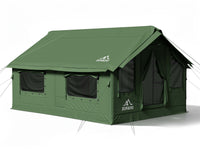
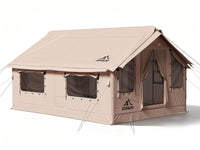
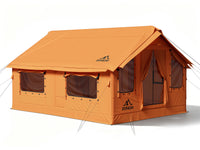
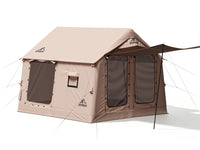
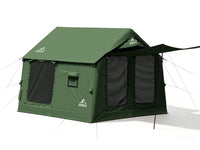
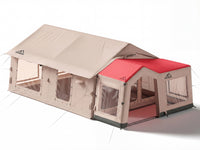
Fall days are shorter, and an air-beam tent can reduce the number of traditional pole-assembly steps. This can make setup faster and leave more time to enjoy the campground. For car camping with two to four people, the ZONKOO Orion offers 86 sq. ft. of space and can be set up in seven minutes. When a family brings more warm clothing and rain gear, the 129 sq. ft. Vega leaves more room for beds and equipment. Its windows on multiple sides also make it easier to adjust daylight and ventilation as conditions change. For larger groups, the 183 sq. ft. Draco can be organized into separate sleeping, activity, and gear areas. This helps keep wet shoes and luggage away from the main resting space.