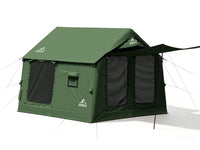
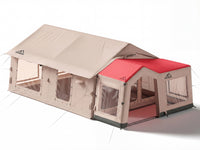
Family camping in Colorado is not simply about choosing between a lakeside campground and a forested site. Campground elevations can range from about 5,800 feet to 9,300 feet, affecting daytime temperatures, the need to stay warm at night, changing weather, and how the body adjusts to elevation.
Lower-elevation areas generally have milder temperatures and longer camping seasons, although summer can bring stronger sunlight and limited shade. As elevation increases, the difference between daytime and nighttime temperatures becomes more noticeable, and the weather can change more quickly. Above 8,000 feet, cold nights, afternoon thunderstorms, and altitude-related discomfort may all affect a family’s activities and camping experience.
When choosing the best family campgrounds in Colorado, do not rely only on campground photos. Elevation, nightly rates, operating seasons, reservation windows, campsite facilities, vehicle access, and pet policies can all directly affect the experience after your family arrives.
1. Saddlehorn Campground
Location: Colorado National Monument|Elevation: About 5,800 feet|Price: From $22 per night
Saddlehorn Campground is suitable for families who want to experience Colorado’s red-rock canyons without heading directly into higher mountain elevations. The campground is located inside Colorado National Monument, about four miles from the Fruita entrance. The nearby Window Rock Trail and Canyon Rim Trail are relatively short, allowing families to enjoy canyon views without planning a strenuous hike.
Part of the campground remains open year-round, and campsites cost $22 per night, plus the vehicle entrance fee. All campsites must be reserved through Recreation.gov. Some sites are released six months or two weeks in advance, while a small number become available on the day of arrival. Visitors cannot simply arrive and wait for an open campsite.
The campground has flush toilets, picnic tables, and charcoal grills, but no showers, utility hookups, or dump station. Wood fires are also not allowed. Drinking water is available, but winter weather may affect facility operations. Check current notices before leaving and bring a reasonable amount of backup drinking water.
Most campsites are suitable for tents, small campers, and short travel trailers. Access requires driving along Rim Rock Drive, which includes tunnels and winding sections. Larger vehicles should confirm height and length restrictions before arrival. Pets may stay in the campground and paved areas but are not allowed on park trails.
Saddlehorn’s elevation is relatively moderate, making it suitable for families who value red-rock scenery and short trails and can accept a campground without showers.

2. Ridgway State Park
Location: Ridgway, Colorado|Elevation: About 7,000 feet|Price: From $28 per night
Ridgway State Park is suitable for families planning to stay for two or three nights. The park has a reservoir, the Uncompahgre River, a swimming area, fishing spots, boat ramps, play areas, and several trails, so families can enjoy most of their planned activities without leaving the park.
Standard campsites start at $28 per night, with rates varying across walk-in tent, electric, and full-hookup sites. Campsites can be reserved up to six months in advance. In addition to the camping fee, visitors need to purchase a state park vehicle pass. Sites are more likely to fill during summer, weekends, and school holidays.
All three camping areas have flush toilets, free showers, and water facilities. Some areas also have playgrounds and bear-resistant trash containers, while laundry rooms and vending facilities are mainly open during summer. A small number of cleared campsites remain available in winter, along with heated restrooms and showers.
Drive-in campsites are suitable for families carrying more gear or traveling with young children. Walk-in sites are quieter but require campers to carry equipment from the parking area, and shared carts are available. Each standard campsite can accommodate up to six people. Before booking, confirm that the tent-and-vehicle combination meets the site rules.
Pets are allowed in the camping areas and most parts of the park, but they must remain on a leash no longer than six feet and are not allowed at Dutch Charlie Swim Beach.
For families trying family camping in Colorado for the first time, Ridgway balances a mountain setting with everyday convenience. Although it is not the least expensive option, showers, drinking water, and family activities can make trip planning and packing easier.
3. Moraine Park Campground
Location: Rocky Mountain National Park|Elevation: About 8,160 feet|Price: $35 per night in summer and $30 per night in winter
Moraine Park Campground is located inside Rocky Mountain National Park near Bear Lake Road and has a free shuttle stop. Staying here can reduce daily driving from Estes Park, time spent waiting to enter the park, and the need to search for trailhead parking.
Standard non-electric campsites cost $35 per night in summer and $30 per night in winter. During peak season, campsites must be reserved through Recreation.gov and cannot be booked at the campground. Some sites are released in batches closer to the arrival date, but popular weekends still require planning.
The campground provides drinking water, flush toilets, picnic tables, fire rings, and food storage lockers. Some campsites also have electrical hookups. There are no standard hot showers, but solar shower stalls are available, and campers need to bring their own filled solar shower bags. Tent platform sizes vary, and some walk-in sites are farther from the parking area. Families bringing a large tent, storage boxes, or more camping gear should check the dimensions and parking arrangement of the specific site.
At 8,160 feet, families should allow time to adjust to the elevation. After arriving from a lower elevation on the same day, families should not immediately plan a long hike. Headaches, fatigue, loss of appetite, and nausea may be related to altitude, while children may become irritable or less energetic.
Pets are allowed at campsites, parking areas, and along roads where pets are permitted, but they are not allowed on any park trails, tundra, or grasslands. Traveling with a dog may limit planned hiking routes.
Moraine Park is suitable for families visiting Rocky Mountain National Park for the first time who value an in-park location and shuttle access. Reservations are more difficult, and nighttime temperatures are lower than at the previous two campgrounds. Its main advantage is its location inside the national park.
4. Piñon Flats Campground
Location: Great Sand Dunes National Park|Elevation: About 8,200 feet|Price: From $20 per night
Piñon Flats Campground brings the dunes, the Sangre de Cristo Mountains, and night skies into one trip. Families can go sandboarding and hiking in the morning, and when water levels in Medano Creek are suitable, they can also enjoy shallow-water activities.
Standard campsites cost $20 per night and can accommodate up to eight people, two tents, and two vehicles. The campground is mainly open from April through October, and all campsites require reservations, generally up to three months in advance. Early-summer weekends and periods with better water levels in Medano Creek are more difficult to book.
The campground provides drinking water, flush toilets, dishwashing sinks, picnic tables, fire rings, and bear-resistant storage lockers, but there are no regular showers. During summer, outdoor rinse stations near the dunes parking area can only be used to remove sand from feet and equipment.
Campsite setup areas vary noticeably. Some tent pads measure only 8 by 8 feet or 9 by 9 feet, while others measure 10 by 10 feet or 12 by 12 feet. Families using inflatable family tents should check the full length and width of the tent after setup rather than relying only on the number of tents allowed at the site.
The dunes have strong sunlight, blowing sand, and noticeable temperature differences between day and night. Afternoon thunderstorms, strong winds, and lightning are also more common in July and August, so sandboarding, hiking, and shallow-water activities are better scheduled for the morning or evening.
Pets are allowed in the campground but must remain leashed and under control. This campground is suitable for families whose children enjoy sandboarding, shallow-water activities, and stargazing, and who can accept the lack of showers and campsite size restrictions.

5. Meadows Campground
Location: Near Rabbit Ears Pass|Elevation: About 9,300 feet|Price: $26 per night
Meadows Campground is located near Rabbit Ears Pass, about 15 miles southeast of Steamboat Springs. It has 30 pull-through, back-in, and walk-in campsites. Nearby activities include creek fishing, hiking, wildflower viewing, and mountain biking.
The published rate for standard non-electric and walk-in tent sites is $26 per night. Recreation.gov lists the campground and its individual sites, but reservation availability may vary by date. Check the latest status before leaving. If a campsite is marked as first-come, first-served, follow the posted instructions for registration and payment. Campsites are limited, so visitors should also confirm the latest opening status, site access, and vehicle restrictions before the trip.
The campground has vault toilets, trash disposal, picnic tables, and fire rings, but no drinking water, showers, or utility hookups. Campers need to bring all the water required for drinking, cooking, and basic cleaning. Water from nearby creeks should not be consumed directly.
At 9,300 feet, families need to prepare more carefully for altitude adjustment and cold nighttime temperatures. Families arriving directly from lower elevations should watch for headaches, unusual fatigue, loss of appetite, or nausea. Sleeping bags and warm clothing should be selected according to the campground’s nighttime low temperatures rather than daytime temperatures in Steamboat Springs.
The campground is in black bear country, so food and scented items must be stored in approved containers or locked inside a vehicle. Pets are allowed at campsites but should remain under control and must not chase wildlife.
Meadows is better suited to families with mountain camping experience who can independently prepare drinking water and cold-weather gear. Families taking children on their first high-elevation camping trip should not choose it simply because the setting is quiet.
If you would like to find more campgrounds near you, visit ZONKOO Tent Camping Near Me page to search for campground information by state and city and view related camping guides and inflatable tent recommendations.
Which Colorado Campground Is Right for Your Family?
For a first camping trip, a spring or fall visit, or when you are unsure how your family will adjust to higher elevations, consider Saddlehorn first. It sits at a lower elevation and is not expensive, but it does not have showers, and summer shade is limited.
If you need drinking water, showers, laundry facilities, and lakeside activities, Ridgway State Park is more convenient. Drive-in campsites work well for families carrying more gear, while walk-in sites are better for campers willing to carry equipment in exchange for a quieter setting.
For a first visit to Rocky Mountain National Park, Moraine Park is a good option. It suits families who value an in-park location and shuttle access, but reservations, altitude adjustment, and restrictions on pets using trails need to be planned.
If your children enjoy sandboarding, shallow-water activities, and stargazing, choose Piñon Flats. Check the tent pad dimensions before booking rather than relying only on the number of tents allowed.
Meadows Campground is more suitable for families already familiar with Colorado mountain camping and able to prepare all their drinking water, cold-weather gear, and food storage.
Choose the Right Campground for Your Next Colorado Family Trip
The highest-elevation campground is not necessarily the best choice, and no single campground is right for every family in Colorado. Lower elevations are suitable for relaxed spring and fall trips, mid-elevation lake areas can balance activities and facilities, and campgrounds above 8,000 feet require more attention to nighttime temperatures, changing weather, and altitude adjustment.
After choosing a campground, check the specific campsite’s setup area, ground conditions, parking distance, and facility locations. Hard red-rock ground, lakeside campsites, designated tent pads, and high-mountain forests all place different demands on tent anchoring, carrying gear, and interior space.
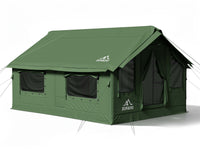
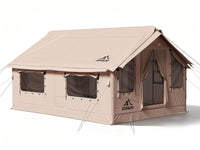
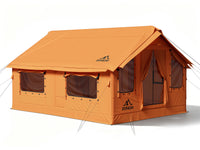
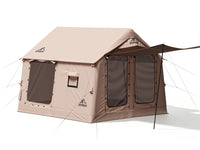
ZONKOO offers inflatable tents in a range of capacities and sizes, giving families options that fit different campsite layouts, group sizes, and travel styles.