The U.S. has plenty of great places for winter tent camping, and you don't have to head into snowy mountains to find them. Joshua Tree and Death Valley in California offer desert camping, while Big Bend in Texas is known for hiking and stargazing. Farther south, Everglades and Bahia Honda in Florida draw campers with warmer weather and unique natural landscapes.
But not every great winter destination is ideal for tent camping. Overnight temperatures, campsite fees, amenities, and campground availability all play a part in the experience. These eight destinations offer different settings and camping conditions to consider when planning a winter trip.
Note: Temperatures, campsite fees, amenities, and availability may vary. Check official park websites for the latest information before your trip.
1. Joshua Tree National Park, California
Recommended Campground: Black Rock Campground
|
Average Winter Temperature |
Tent Campsite Fee |
|
Approx. 38–61°F (3–16°C) |
$35/night |
|
Campground Amenities |
Availability |
|
Drinking water, flush toilets, picnic tables, fire rings |
Open year-round; reservations required |
Joshua Tree National Park is known for its distinctive Joshua trees, rock formations, and wide-open desert skies. Black Rock Campground sits in the northwestern part of the park at about 4,000 feet, surrounded by Joshua trees and hiking trails. In winter, campers can hike straight from the campground, photograph desert scenery during the day, and stargaze after dark. Visiting other areas of the park, including Hidden Valley, requires some driving.
Elevation and cold nights are the main things to prepare for. Even when the days feel comfortable, temperatures can drop below freezing at night, and occasional snowfall is possible. The campground has drinking water and flush toilets but no showers. Winter weekends and holidays can get busy, so reserve a site early and pack for the overnight cold.
2. Death Valley National Park, California
Recommended Campground: Furnace Creek Campground
|
Average Winter Temperature |
Tent Campsite Fee |
|
Approx. 41–68°F (5–20°C) |
$30/night |
|
Campground Amenities |
Availability |
|
Drinking water, flush toilets, picnic tables, fire rings |
Open year-round; reservations available October 15–April 15 |
Winter is a great time to explore Death Valley's desert landscapes. With temperatures far more comfortable than in summer, visitors can enjoy the Badwater Basin salt flats, Zabriskie Point, and the surrounding desert through hiking, photography, and scenic drives.
Furnace Creek Campground is near the visitor center, making it a convenient base for exploring the park. However, Death Valley is vast, and getting between attractions can mean long drives. Plan your route, fuel stops, and water supply before heading out. The campground has flush toilets but no showers. Reservations are available from October 15 through April 15, so it's best to book popular winter dates early.

3. Catalina State Park, Arizona
Recommended Campground: Catalina State Park Campground
|
Average Winter Temperature |
Tent Campsite Fee |
|
Approx. 42–67°F (6–19°C) |
$50/night |
|
Campground Amenities |
Availability |
|
Drinking water, electricity, restrooms, showers |
Open year-round; reservations available |
For families traveling with kids, bedding, and plenty of camping gear, Catalina State Park's water and electric campsites offer added convenience. Electricity, drinking water, restrooms, and showers make a two- or three-day car camping trip easier and reduce the amount of extra equipment needed.
The park sits at the foot of the Santa Catalina Mountains near Tucson, surrounded by classic Sonoran Desert scenery. Families can choose from trails of varying lengths, take in the cacti and mountain views, or add nearby Tucson attractions to their trip. Winter days are generally mild, but nights can approach freezing. Temperatures and winds near the mountains may also differ from conditions in the city.
4. Big Bend National Park, Texas
Recommended Campground: Rio Grande Village Campground
|
Average Winter Temperature |
Tent Campsite Fee |
|
Approx. 32–73°F (0–23°C) |
$16/night |
|
Campground Amenities |
Availability |
|
Drinking water, flush toilets, picnic tables, nearby paid showers |
Open year-round; reservations required |
Big Bend National Park lies in remote southwestern Texas, far from major cities. Getting there takes some planning, especially when it comes to fuel, water, and other supplies. Cell service is limited throughout the park, and drives between different areas can be long. It's a better fit for campers who are comfortable planning their routes and supplies ahead of time.
That remoteness is also part of the appeal. Big Bend offers Chihuahuan Desert landscapes, mountains, and scenery along the Rio Grande, with winter opportunities for hiking, stargazing, and wildlife watching. Rio Grande Village Campground sits in a lower-elevation river valley near trails for birdwatching and short hikes. Winter temperatures can vary significantly between the valley and the mountains, so gear suitable for one area may not be enough for another. Wood fires and ground fires are prohibited, and the park entrance fee is separate from the campsite fee.

5. Inks Lake State Park, Texas
Recommended Campsites: Tent-Only Campsites #219–222
|
Average Winter Temperature |
Tent Campsite Fee |
|
Approx. 44–64°F (7–18°C) |
$21/night |
|
Campground Amenities |
Availability |
|
Drinking water, 20-amp electricity, restrooms, showers |
Open year-round; reservations available |
Inks Lake State Park has just four designated tent-only campsites, numbered #219–222, with a maximum of four people per site. These sites are about 100 feet from the parking area, so campers need to carry their tents and gear in on foot. That's worth considering for families bringing large tents, air mattresses, or lots of luggage. Sites #219 and #220 have accessible pathways, while larger families may need to look at other campsites that allow tents.
Set in the Texas Hill Country, the park offers lakeside views and nature trails for a weekend family camping trip. Days can be spent walking along the lake, fishing, or taking short hikes without driving between distant attractions. Water, electricity, and showers are available, with a daily park entrance fee charged separately from the campsite rate.
6. Everglades National Park, Florida
Recommended Campground: Flamingo Campground
|
Average Winter Temperature |
Tent Campsite Fee |
|
Approx. 56–79°F (13–26°C) |
From $33/night |
|
Campground Amenities |
Availability |
|
Drinking water, restrooms, hot showers, picnic tables |
Open year-round; winter reservations recommended |
Winter is relatively dry in Everglades National Park, making it a popular season for wildlife watching. Still, the warmer weather doesn't eliminate mosquitoes or humidity. Even in winter, bring insect protection, keep your tent interior dry, and store food properly under park rules to avoid attracting wildlife.
Flamingo Campground sits at the southern end of the park near Florida Bay, with both drive-up and walk-in tent sites. Some offer views of the bay. Birdwatching, nature walks, and kayaking are among the ways to explore South Florida's wetlands. Non-electric sites cost $33 per night Monday through Thursday and $38.50 Friday through Sunday, plus the park entrance fee. Winter is a busy season, so booking ahead is recommended.

7. Bahia Honda State Park, Florida
Recommended Campground: Bahia Honda State Park Campground
|
Average Winter Temperature |
Tent Campsite Fee |
|
Approx. 67–77°F (19–25°C) |
$36/night |
|
Campground Amenities |
Availability |
|
Drinking water, restrooms, hot showers, picnic tables |
Open year-round; reservations available |
Bahia Honda State Park sits in the Florida Keys, where relatively warm winter weather makes it easy to combine tent camping with beach walks, birdwatching, and coastal exploring. The waterfront setting offers a different experience from inland campgrounds, though coastal winds can make securing a tent more important.
The park has three camping areas: Buttonwood, Sandspur, and Bayside. Buttonwood and Sandspur offer water and electric hookups, while Bayside has non-electric sites, with hot showers about a half-mile walk away. Access to Bayside Campground passes under a bridge with only 6 ft 8 in of clearance. Check your vehicle’s total loaded height, including roof racks and cargo, before booking.
When choosing a site, consider the distance to facilities, ground conditions for securing your tent, and exposure to wind. Taxes and a $6.70 reservation fee are added to the nightly campsite rate. Winter is a popular travel season in the Florida Keys, so book your tent site well in advance.
8. Skidaway Island State Park, Georgia
Recommended Campground: Skidaway Island State Park Campground
|
Average Winter Temperature |
Tent Campsite Fee |
|
Approx. 43–65°F (6–18°C) |
From $46/night |
|
Campground Amenities |
Availability |
|
Restrooms, showers, playground, picnic areas |
Open year-round; some areas under renovation |
Skidaway Island State Park is near Savannah, Georgia, with oak groves, coastal forests, and salt marshes. Nature trails wind through wooded areas and wetlands, offering opportunities for birdwatching, walks, and short hikes. Its location also makes it easy for families to explore nearby Savannah attractions.
Parts of the campground have been undergoing renovations since February 2026. Avian Trail and the observation tower are also closed due to damage. Although the park is open year-round, check campsite availability and facility closures before booking. Winter can bring rain and cold temperatures, so good drainage and moisture protection are especially important when camping in wooded areas. The campground has sites for tents, trailers, and RVs, and a vehicle ParkPass fee applies in addition to the campsite rate.
Looking for more winter tent camping spots? Visit the ZONKOO Tent Camping Near Me page to find campgrounds near you.
What to Pack for Winter Tent Camping
Pack for the weather at your destination, especially overnight temperatures. Desert areas can have big temperature swings between day and night, and temperatures may drop to freezing even after a mild afternoon. Choose a sleeping bag rated for the expected overnight low, along with an insulated sleeping pad and warm clothing to help retain heat.
Your camping environment also affects how you set up your tent. At coastal campgrounds, pay attention to wind and secure anchoring. In forests and wetlands, drainage, damp ground, and condensation are bigger concerns. Look for level, well-drained ground, secure your stakes and guy lines, and allow for proper ventilation.
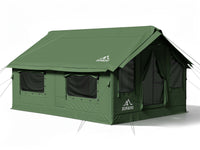
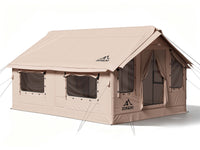
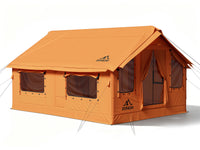
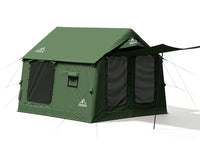
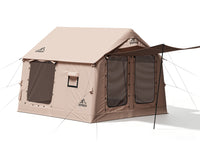
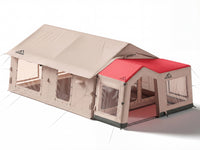
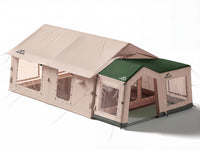
For family car camping, ZONKOO inflatable tents are another option. Their Air Beam structure makes setup easier, while spacious interiors leave room for beds, luggage, and camping gear. Select models also have stove jacks for compatible tent stoves, which can provide heat when used according to applicable safety requirements.