Fishing camping takes more than finding a good fishing spot. You also need to confirm that overnight camping is allowed nearby and plan your gear, accommodations, and travel arrangements. For trips lasting two or three nights, campsite location, access to fishing spots, and basic necessities all affect the experience.
Whether you're spending a weekend by a lake or fishing along a river for several days, checking local regulations, planning your fishing time, and bringing the right gear can help you avoid last-minute changes and enjoy more time outdoors.
How to Choose the Right Fishing Camping Location
A good fishing camping location offers suitable fishing opportunities, convenient access, and a legal place to stay overnight. For multi-night trips, campsite facilities and travel distances often matter more than simply being close to the water.
Choose a lake, river, or reservoir based on your fishing plans
Lakes, rivers, and reservoirs offer different fishing conditions, so the best choice depends on your target species, fishing methods, and whether you plan to move between spots.
Lakes with public fishing areas and campgrounds are often convenient for anglers who prefer to stay in one place. A fixed campsite also means less time moving tents and supplies each day.
River fishing may involve exploring different stretches of shoreline, making public access points, walking routes, and private property boundaries especially important. A riverbank that looks accessible isn't necessarily open to the public. Reservoirs can also work well for camping in one location, although managed water levels may affect shoreline access.
Before choosing a destination, check information from local fish and wildlife agencies and recent fishing reports. These can help you identify target species, current fishing conditions, and public fishing areas before deciding where to stay.

Check fishing regulations and campground facilities
In the United States, a location that allows fishing doesn't necessarily allow camping, and the two activities may have different rules. Before booking, check fishing license requirements, open seasons, catch and size limits, and whether overnight stays require reservations or permits. If using live bait, review local restrictions on bait types and transportation between waters. Follow local requirements for cleaning fishing and wading gear to help prevent the spread of aquatic invasive species.
For car camping, confirm that your vehicle can reach the campsite and that your tent fits within the site's size limits. Drinking water, restrooms, and trash disposal make multi-night stays easier. At more basic campgrounds, you'll need to arrange your own water supply and waste disposal.
How to Plan a Multi-Day Fishing Camping Trip
A multi-day fishing trip doesn't need a rigid schedule. Instead, plan your main fishing periods around your target species and local conditions, then identify a few nearby spots so you can adjust when the weather or fishing conditions change.
Plan fishing times around fish activity
Fish activity varies with the season, water temperature, daylight, and weather. Some species are more active around sunrise and sunset in summer, while cooler weather may change where fish gather as sunlight warms the water. The best fishing times depend on the species and location.
Before leaving, check recent fishing reports, sunrise and sunset times, and weather forecasts to identify promising periods. On a three-day, two-night trip, you can use your arrival day to explore the shoreline and assess conditions, then adjust the following days based on what you find. This leaves time for productive fishing without tying the entire trip to a fixed schedule.
Identify primary and backup fishing spots
Choose one main fishing spot and one or two alternatives with different depths, currents, or shoreline conditions. Having these options makes it easier to respond if fishing slows down or an area becomes inaccessible.
Once you arrive, observe the water and look for signs of fish activity before deciding whether to move. If you're not getting bites, consider the weather, water temperature, and your fishing technique rather than immediately changing spots. Keep travel distances manageable so you don't spend too much of your trip moving between locations.

What Gear Do You Need for Fishing Camping?
Your packing list should cover both fishing and overnight camping. The right equipment depends on your target species, trip length, and campground facilities. There's no need to bring every tool you might use, but food, drinking water, sleeping essentials, and safety gear should always be accounted for.
|
Gear Category |
Recommended Items |
|
Fishing Gear |
Fishing rods, reels, line, spare hooks, bait or lures, tackle box, hook removal tools, landing net, fish ruler |
|
Camping and Sleeping |
Tent, stakes, guy lines, sleeping bags, sleeping pads, lantern, camping table and chairs |
|
Food and Water |
Drinking water, food, cooler, ice packs, utensils, outdoor cooking equipment |
|
Fish Storage (If Needed) |
Cooler, plenty of ice, sealed bags, fish storage containers that meet local requirements |
|
Clothing and Protection |
Waterproof jacket, extra clothing, non-slip shoes or wading boots, sun protection, insect repellent, waterproof bags |
|
Safety and Navigation |
First aid kit, headlamp, offline maps, power bank, life jacket, emergency communication equipment as needed |
Choose fishing gear that suits your plans. Shore fishing, fly fishing, and boat fishing require different setups, so match your rod, line, and bait to your target species. For multi-day trips, bring spare line, hooks, and essential accessories without overpacking.
Pack enough food and water for your group, with a little extra. Even if you plan to cook your catch, don't rely on it for meals. Keep any fish you retain chilled in a cooler with plenty of ice, and dispose of remains according to local regulations.
Store extra clothing, electronics, and sleeping gear in waterproof bags, and keep frequently used tackle within easy reach. Before leaving, check your packing list against the forecast, campground facilities, and planned activities to avoid missing essentials.
How to Choose the Right Tent for Fishing Camping
Start by considering how you'll reach your campsite. A lightweight tent is easier to carry to remote fishing spots, while a spacious inflatable tent may be better suited to car camping trips where you'll stay in one place for several nights.
For longer stays, usable interior space matters more than advertised sleeping capacity. Beyond fitting your beds, the tent should have enough room for personal belongings, changing clothes, and moving around comfortably. Standing height and ventilation also make a difference, especially when sharing a tent for several nights.
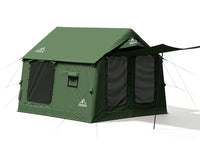
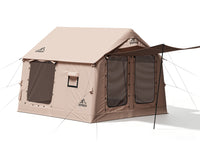
For weekend trips with two or three people, the ZONKOO Orion inflatable family tent features an inflatable support structure that allows the main tent to be set up in 7 minutes. Its 86 sq ft interior and 6'11" height provide room to stand, change clothes, and organize personal gear. Five windows also help you adjust ventilation as weather conditions change.
Orion
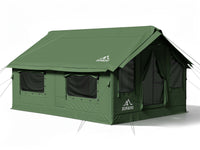
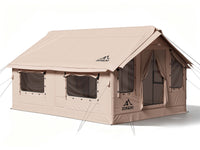
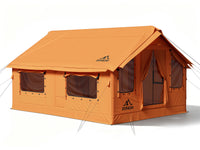
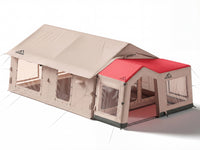
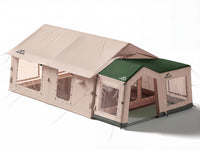
For longer stays or trips with more supplies, the ZONKOO Vega inflatable camping tent offers 129 sq ft of interior space and a removable divider curtain. The divider can separate sleeping areas for added privacy when camping with others, or be removed to create a more open layout.
Vega
Orion suits small groups who value easy setup and standing room, while Vega provides more living space for larger groups or extended stays. Before choosing either tent, check your campsite dimensions and allow enough room for stakes, guy lines, and access around the tent.
Further Reading: What Size Inflatable Tent Do I Need? ZONKOO Inflatable Tent Size Guide
How to Safely Set Up and Manage Your Fishing Campsite
When you arrive, choose level, well-drained ground within your designated campsite. Avoid low-lying riverbanks and leave enough room for the tent entrance, stakes, and guy lines. Even if your fishing spot is nearby, don't pitch your tent somewhere vulnerable to rising water just to shorten the walk.
Once your tent is set up, organize the campsite into sleeping, fishing gear storage, and cooking areas. Keep personal belongings inside the tent and fishing equipment somewhere easy to reach. Sharp tools should be stored carefully to prevent damage to the tent, while cooking should take place outside. Store food, bait, and fish according to local regulations to avoid attracting wildlife.
Pay attention to weather and water levels throughout your stay, especially near rivers. Upstream rainfall or reservoir releases can cause water levels to rise even when it's dry at your campsite.
If a thunderstorm approaches, stop fishing immediately and seek shelter in a safe, enclosed building or hard-top vehicle. Tents don't provide reliable lightning protection. If flooding, dangerously rising water, or severe weather threatens the area, evacuate promptly and follow local authorities' instructions.
Make Your Next Fishing Camping Trip More Enjoyable
A good fishing camping trip isn't just about the catch. It's also about enjoying quiet moments by the water and spending time outdoors. Planning ahead and choosing gear that fits your trip can reduce unnecessary work and make the time between fishing sessions more comfortable.