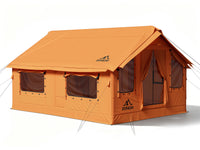
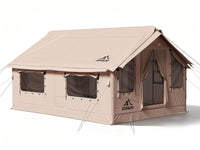
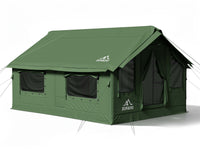
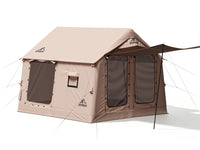
When deciding whether inflatable tents with skylights are worth buying, it is not enough to focus on the view. What matters most is how much time campers will spend inside the tent and whether the skylights can adapt to different weather conditions and daily needs.
For family camping, multi-day stays, or glamping, a tent is often more than a place to sleep. It may also be used for resting, changing clothes, organizing gear, and indoor activities on rainy days. In these situations, skylights are more useful. However, if campers spend little time inside during the day or often camp in hot, sunny locations with limited shade, skylights may be less important.
The real question is not how large the skylights are or how many the tent has. It is whether they work well with the tent’s shading, privacy, rain protection, ventilation, and interior layout.
What Can Skylights Add to a Camping Trip?
The most direct benefit of a skylight is that it brings more natural light into the tent from above.
Most tents rely on doors and side windows for light. In inflatable family tents, once mattresses, luggage, and storage boxes are placed inside, the center of the tent can still feel dark. A skylight can brighten these areas, making it easier to arrange bedding, find clothing, and organize gear.
Skylights can also make a large tent feel less enclosed. They do not increase the actual floor space, but being able to look up at the sky, clouds, or surrounding trees can make the interior feel more open.
At night, skylights can also be used for viewing the sky. When the weather is clear and the campground has little artificial light, campers can lie inside the tent and look at the stars. The view will still depend on cloud cover, light pollution, the skylight material, and the outer rainfly, but it can feel more connected to the outdoors than a fully enclosed tent roof.
Do Tents with Skylights Get Hotter?
A skylight does not automatically make a tent hotter, but a transparent roof section can allow more heat to enter when it is exposed to direct sunlight.
The temperature inside the tent also depends on the fabric, campsite orientation, surrounding shade, and airflow through the doors and windows. If the skylight faces strong afternoon sun for several hours, the tent may heat up more than it would in a shaded location.
Before setting up, observe how the sun moves across the campsite and try to avoid areas that receive continuous afternoon sunlight. Use the skylight for extra light in the morning or on cloudy days, then close the shade when temperatures rise later in the day.
For additional shade, place a separate canopy above the tent while leaving an air gap between the canopy and the roof. This blocks some sunlight while allowing heat to escape instead of placing the cover directly against the tent.
Whether a skylight works well in summer depends less on whether it lets light in and more on whether its cover can be adjusted as the weather changes.
Further Reading: How to Keep an Inflatable Tent Cool in Summer?
Are Skylights Reliable in the Rain?
Because skylights are located on the roof, many campers worry about leaks. However, a tent’s performance in the rain depends on more than the transparent panel itself.
How fully the rainfly covers the skylight, how the surrounding seams are sealed, the roof’s drainage angle, and the tension of the setup all affect rain protection. If the guy lines become loose and the roof begins to sag, water may collect in low areas and place more pressure on the seams and tent body.
Before rain begins, close the skylight cover, make sure the stakes are secure, and check that the guy lines and rainfly are properly tensioned.
If the skylight is fully covered by the rainfly when closed, the seams are sealed, the rainfly is secured, and the roof is properly tensioned, a tent with skylights can still provide reliable protection in typical camping conditions. Actual rain performance still depends on the design, setup, and ongoing maintenance.
What buyers really need to check is how the skylight keeps rain out when closed, rather than how transparent it looks on a clear day.

Can Skylights Provide Both Shade and Privacy?
The view matters when a skylight is open, but being able to rest comfortably when it is closed matters just as much.
Morning sunlight can enter through the roof earlier than expected. If campers have different sleep schedules or someone needs an afternoon nap, a skylight without a shade may interfere with rest.
A more practical design allows campers to open and close the skylight cover from inside the tent. The cover can remain open during the day for natural light, then be closed at night, during naps, or while changing clothes. A skylight that can be covered is more useful for family camping and multi-day stays than one that remains permanently transparent.
Compared with side windows, skylights are less exposed to direct views from outside. However, privacy can still matter on sloped ground, raised camping platforms, or crowded campgrounds. The cover should close completely and reduce visible light from inside.
What Is the Difference Between a Skylight and a Roof Vent?
Skylights and roof vents are both located near the top of a tent, but they serve different purposes.
A sealed transparent skylight is mainly used for natural light and viewing the sky. Air cannot move through it, so a brighter tent is not necessarily a better-ventilated tent.
A roof vent is designed to release warm air and moisture. It usually works with mesh and an external rain cover to reduce insects and rain entering the tent. It also needs to work with side windows, doors, or lower vents to create airflow.
Some tents use mesh roof panels or windows that can be opened, allowing the same area to provide both a view and some ventilation. However, buyers still need to check exactly how the panel opens. A transparent roof section should not replace a proper ventilation system.
Skylights provide an upward view, while vents allow air to move through the tent. One cannot replace the other.

Which Types of Camping Are Best Suited to Skylight Tents?
Family camping, multi-day stays, and glamping are more likely to benefit from skylights because the tent is also used for organizing gear, resting, and spending time indoors. Couples and small families who enjoy reading inside the tent, watching the weather, or looking at the stars may also prefer inflatable camping tents with skylights.
For backpacking, frequent campsite changes, or trips where the tent is used only for sleeping, weight, packed size, shade, and ventilation should remain the main priorities.
To decide whether a skylight is useful, consider what will happen inside the tent after reaching the campsite. The more time campers spend inside, the more valuable the skylight is likely to be.
What Should You Look for in a Family Inflatable Tent with Skylights?
When choosing a family tent, do not compare only the size or number of skylights. The upward view should work together with side lighting, shading, privacy controls, independent ventilation, and the interior layout.
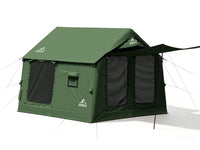
ZONKOO tents with skylights combine adjustable roof skylights with transparent TPU side windows. During the day, they increase natural light and provide an upward view. At night, while resting, changing clothes, or seeking privacy, the covers can be closed to reduce outside light and visibility. Airflow is handled separately through doors, mesh panels, and hidden vents, giving lighting, privacy, and ventilation distinct roles.
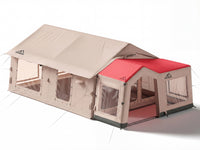
Among ZONKOO’s inflatable tents with skylights, the Draco is especially well suited to large families, groups of friends, and multi-day camping trips. As a large inflatable tent, it provides 183 square feet of space for 2 to 10 people and includes a removable divider that can be used to organize sleeping, storage, and activity areas.
Multiple roof skylights bring natural light into both rooms, while separate covers allow campers to adjust light and privacy in each area. PU 5000 mm waterproof fabric, taped seams, and an outer rainfly provide overall protection in typical camping conditions.
Draco does more than add transparent sections to the roof. Its skylights work together with the multi-person space, privacy controls, and interior layout.
Draco
So, Are Inflatable Tents with Skylights Worth It?
Inflatable tents with skylights are not necessary for every camping trip, but they can make a noticeable difference for family camping, multi-day stays, and glamping. They brighten the tent during the day, provide a view of the stars at night, and make long periods inside feel less enclosed.
Before buying, check whether the skylight covers can be adjusted as needed, how they keep rain out when closed, and whether the tent has a separate ventilation system. Do not compare tents based only on the size of their transparent roof sections.