Is an inflatable tent worth the extra money? For frequent car campers, those who value an easier setup, or families who need more comfortable living space, the added cost may be worthwhile. But if you're on a tight budget, camp only occasionally, or prioritize lightweight gear, a traditional tent may be the more economical choice.
Deciding whether an inflatable tent is worth the price means looking beyond the initial cost. What matters is what you get for the extra money and whether those benefits make a meaningful difference to your camping experience.
How Much Do Inflatable Tents Cost, and Why Are They More Expensive?
Inflatable tents typically cost anywhere from a few hundred dollars to over $1,000. Smaller models tend to be more affordable, while larger family tents with additional features can cost more than $1,000.
Several factors affect inflatable tent prices:
- Air beam construction: Inflatable tents use air beams and valves instead of traditional poles. The design and manufacturing process can add to production costs.
- Size and layout: Larger floor plans, more headroom, and additional doors and windows generally require more materials.
- Fabric and weather protection: Fabric materials, waterproof coatings, seam construction, and anchoring systems all affect the price.
- Accessories and after-sales support: Included pumps and repair kits, replacement part availability, and warranty coverage can also influence overall value.
The price of an inflatable tent reflects more than its support structure. Size, materials, and features all play a role. To judge whether a tent is worth the money, consider what it offers rather than looking at the price tag alone.
What Are You Really Paying Extra For?
The added value of an inflatable tent comes mainly from easier setup and the overall camping experience. Beyond the air beam design itself, what matters is whether the tent makes setting up camp simpler and spending time at the campsite more comfortable.
1. Fewer Setup Steps, Less Work at Camp
Traditional pole tents usually require assembling poles, attaching the tent fabric, and adjusting the frame. Inflatable tents use a pump to fill the air beams and raise the tent, eliminating the need to assemble and install individual poles.
This can make a difference for frequent weekend campers. Arriving at a campground after work on Friday or setting up alone becomes more manageable when there are fewer steps involved. Packing up is simpler, too. Instead of taking apart individual poles, you deflate, fold, and pack the tent according to the instructions.
Inflatable tents still need to be secured with stakes and guy lines, however. Setup time also varies with tent size, pump type, and experience. The real advantage is a simpler setup process, not necessarily a faster one in every situation.
2. More Living Space for a Comfortable Stay
On family camping trips or multi-day outings, a tent does more than provide a place to sleep. It also needs room for beds, luggage, and everyday activities. When space is limited, changing clothes, organizing gear, and sharing the tent can become inconvenient.
Some larger inflatable tents offer generous floor space, ample headroom, and door and window layouts suited to group camping. These features make it easier to change clothes, keep gear organized, and arrange sleeping areas.
Of course, a spacious interior isn't exclusive to inflatable tents. The extra cost is worth it for the right amount of space, a practical layout, and features that suit your needs, not just an inflatable support system.

3. Materials and Features That Fit Your Needs
Some higher-priced inflatable tents come with additional features, including different fabric construction, seam treatments, ventilation openings, anchoring systems, and pumps.
However, waterproofing and wind resistance depend on the specific tent. Neither the inflatable design nor the price alone determines its performance. Before buying, check the product specifications and the weather conditions it's designed to handle.
Are Inflatable Tents Cost-Effective in the Long Run?
Long-term value depends on more than the purchase price. How often you camp, maintenance costs, and the tent's expected lifespan all matter. Frequent campers can spread a higher upfront cost over more trips, while occasional campers may need to think more carefully about the investment.
1. Calculate the Cost per Camping Trip
A simple way to evaluate a tent's value is to calculate its purchase cost per use:
Cost per use = Tent purchase price ÷ Expected number of uses
Suppose an inflatable tent costs $600 and a traditional tent costs $250. Here's how the cost per use compares over 10 and 30 camping trips:
|
Comparison |
Inflatable Tent |
Traditional Tent |
|
Assumed purchase price |
$600 |
$250 |
|
Cost per use over 10 trips |
$60 |
$25 |
|
Cost per use over 30 trips |
$20 |
$8.33 |
The more often you use the tents, the smaller the difference in purchase cost per trip becomes. If an inflatable tent makes setup easier every time you camp, the additional expense may be easier to justify.
2. Account for Maintenance and Transportation
The purchase price is only part of the long-term cost. Inflatable tents may need repairs to their air beams, valves, or fabric. Traditional tents can also develop bent poles or damaged connectors. Before buying, consider replacement part prices, repair options, and warranty coverage.
Larger inflatable tents may also take up more cargo space and be harder to carry. If your campsite is often a long walk from the parking area, those factors are worth considering.
Ultimately, long-term value isn't necessarily about an inflatable tent costing less than a traditional one. It's about whether the extra purchase and maintenance costs are justified by the convenience and comfort you get over time.
Further Reading: How Long Do Inflatable Tents Last? Durability, Repair & Care Tips

When Is an Inflatable Tent Worth Buying?
If you frequently go car camping, set up your tent alone, or move between campsites often, an inflatable tent's simpler setup process may suit you better. Families planning multi-day camping trips may also find the extra cost worthwhile if they need more living space.
On the other hand, if you camp only once or twice a year and mainly need somewhere to sleep, an affordable traditional tent may be enough. For hikers and backpackers, weight and packed size usually matter more than setup convenience, making a lightweight tent a more practical choice.
The key is paying for features you'll actually use, rather than extras you don't need.
How to Find an Inflatable Tent That Offers Good Value for Your Budget
Choosing an inflatable tent doesn't mean buying the biggest or most expensive model. A compact tent may be enough for shorter trips with fewer people, while family camping or longer stays may justify spending more for additional living space.
ZONKOO Lyra and Vega cater to different needs, with one emphasizing compact portability and the other offering more room. The right choice depends on your group size and how you camp.
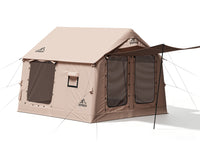
ZONKOO Lyra: For Short Trips and Easier Transport
If you usually go car camping on weekends as a couple or with one other person, there's little reason to pay for a large family tent with space you rarely use.
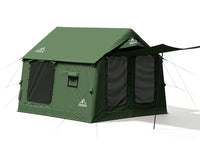
Lyra offers 65 square feet of floor space, weighs 29 pounds, and has a setup time of just 3 minutes. For campers who want to keep costs down while simplifying setup, it's worth considering for shorter trips.
Choosing a tent that fits your group and gear also means avoiding the extra cost of space you don't need.
Lyra
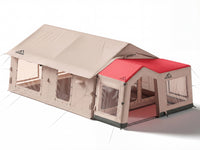
ZONKOO Vega: For Families Who Need More Space
If you often camp with family or stay at the same campground for several days, a larger living area may matter more than a compact design.
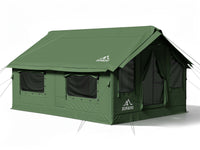
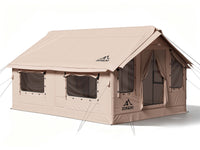
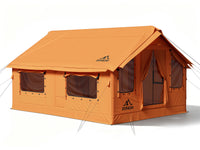
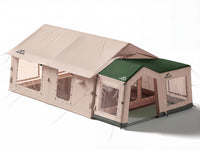
Vega offers 129 square feet of interior space, accommodates 2–6 people, and has an 11-minute setup time. Its spacious interior offers room for multiple beds, luggage, and camping gear. A removable divider curtain also lets you separate sleeping and activity areas as needed, providing more privacy when camping with others.
For campers who regularly travel in groups and need the extra room, spending more on these features may be worthwhile.
Vega
So, Is an Inflatable Tent Worth the Price?
Whether an inflatable tent is worth the extra money depends on how well its setup convenience and interior features match your needs. If you frequently go car camping or want to avoid assembling traditional tent poles, the added expense may be worth it. If you're on a tight budget or prefer lightweight gear, a traditional tent is still a practical choice.
Rather than paying more simply for a higher-priced tent, put your budget toward the features you need to make camping easier and more comfortable.