If this is your first time staying at a campground, following the posted rules is only part of the experience. There are also basic courtesies that may not appear on every sign. Campground etiquette is simple: keep your noise, lights, gear, pets, and daily activities within your own campsite as much as possible while respecting other campers’ space and rest.
Staying at a developed campground is different from dispersed camping. Campsites may be close together, and everyone shares roads, restrooms, water stations, and other facilities. Music, headlights, or everyday activity that seems harmless to you can easily affect the campers nearby. Before your first stay, review the campground’s rules and keep a few basic principles in mind to avoid most common issues.
Check the Campground Rules Before You Arrive
Campground rules vary by location. After booking, review the campground website or reservation page and confirm:
- Check-in and check-out times
- Quiet hours
- Vehicle, occupancy, and tent limits
- Pet rules
- Campfire and generator rules
- Any special food storage requirements
If there are additional signs or instructions from the camp host when you arrive, follow the most current rules posted at the campground.
Treat Each Campsite as a Temporary Personal Space
A campground is a shared area, but each campsite is reserved for the campers staying there. Do not cut through someone else’s site just to take a shortcut past their tent, picnic table, or fire ring. Even if the campers are temporarily away, do not use their table or parking space or move their occupancy tag or belongings.
When setting up your own site, keep your tent, guy lines, chairs, bikes, and items hung out to dry within your campsite whenever possible. Avoid extending into neighboring sites, roads, or shared walkways.
It is fine to say hello to your neighbors, but ask before entering someone else’s campsite. Being camped next to someone does not mean they want to socialize or share their space.
Quiet Hours Are the Minimum, Not the Only Time to Control Noise
Many campgrounds have designated quiet hours, but that does not mean ongoing noise is acceptable at other times.
Normal conversation, cooking, and daytime activities are expected. But if music, movies, group conversations, or running equipment can clearly be heard at nearby campsites, it is time to lower the volume.
Pay particular attention to:
- Music or videos playing for long periods
- Group conversations that keep getting louder
- Generators or other continuously running equipment
- Frequent moving or banging of hard gear
Tents provide almost no sound insulation. Even outside quiet hours, noise should be reduced if it is consistently disturbing nearby campers.
After Dark, Pay Attention to Light as Well as Noise
Campsite lighting only needs to be bright enough for normal nighttime activities. Aim camp lights toward the table, entrance, and areas around the tent that actually need illumination rather than lighting up the entire campsite or shining into neighboring sites.
Be mindful of headlamps as well. When talking to someone or walking past nearby campsites, lower the brightness when possible and avoid shining the beam directly into someone’s eyes or tent.
After parking or returning to your campsite at night, turn off unnecessary vehicle lights promptly. If you need to leave a light on overnight, use a lower setting so it does not interfere with nearby campers’ sleep.
If You Arrive Late or Leave Early, Keep Disruptions to a Minimum
If you will arrive after dark or need to leave early in the morning, first check whether the campground allows entry during those hours and whether there is a late check-in procedure.
For a late arrival, keep the items you need for the first night easy to reach and limit unnecessary light, noise, and unpacking:
- Turn off your headlights after parking and avoid repeatedly opening and closing doors or the trunk
- Avoid loud discussions about where to set up or spending a long time sorting gear
- Take out only what you need that night and organize the rest the next day
- Know how your tent sets up before the trip so you are not repeatedly adjusting it at night
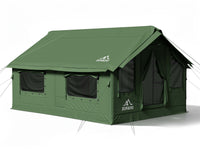
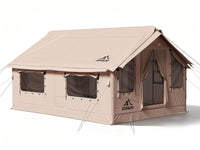
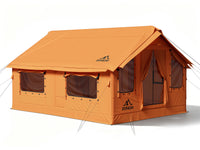
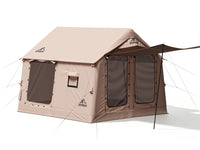
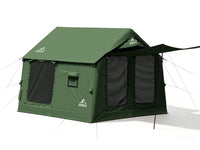
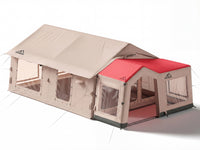
The way a tent sets up can also affect how much time you spend getting settled after arrival. Compared with traditional tents that require multiple poles to be connected, inflatable tents have a more streamlined setup process. An inflatable camping tent such as the ZONKOO Vega can get its main structure up more quickly, reducing the amount of nighttime assembly and adjustment when you need to settle in as soon as possible.
Further Reading: How to Choose an Inflatable Tent for Beginners
Vega
If you need to leave early, pack most of your gear the night before. When loading up in the morning, avoid dragging chairs, cookware, or other hard gear, and do not leave your vehicle idling for an extended period.
Use Restrooms, Water Stations, and Other Shared Facilities Properly
Restrooms, water stations, dishwashing areas, trash facilities, and showers are shared with other campers, so check posted instructions and make sure you understand what each facility is intended for before using it.
For example, do not assume a drinking-water spigot can be used to wash cookware, rinse muddy shoes, or dispose of food scraps. If the campground provides a designated dishwashing or wastewater area, use it.
When using shared facilities:
- Do not occupy limited sinks or counters longer than necessary
- Do not wash dirty dishes or gear at drinking-water stations
- Take food scraps, trash, and personal items with you when you leave
- Do a basic cleanup of the area after use
Keep Pets, Kids, and Campsite Activities Under Control
Camping with pets or kids is not a problem in itself. What matters is making sure their activities do not interfere with neighboring campsites or shared areas.
Pets should follow campground leash rules, avoid persistent barking, stay away from other campers’ food and gear, and have their waste picked up promptly.
For kids, set clear boundaries for where they can play. Around roads, parking areas, and shared facilities, make sure they stay aware of vehicles and other campers and do not block normal access.
Food, trash, and other scented items should also be stored promptly according to local requirements to reduce the chance of attracting animals to the campsite.
Leave the Campsite Ready for the Next Camper
Before checking out, look over the area under your tent, around tables and chairs, near the parking space, and around the fire ring. Commonly missed items include:
- Food wrappers, bottle caps, and food scraps
- Zip ties, cord ends, and other small pieces of trash
- Stakes and other setup hardware
- Pet waste
- Personal items or gear temporarily left on the ground
If you used a campfire, handle it according to campground rules and make sure the fire is completely out before leaving.
Do not dig trenches, move natural materials, or leave temporary structures behind in an attempt to “restore” the site. When you leave, the next camper should not have to clean up anything you left behind.
For Your First Campground Stay, Keep One Simple Principle in Mind
You do not need to memorize every rule of campground etiquette. When setting up a tent, using lights, playing music, or camping with pets and kids, simply consider whether what you are doing could affect the campers nearby.
Knowing the campground rules in advance, respecting other people’s campsites, and leaving enough room for others in shared areas will help prevent most common problems and make the campground more comfortable for everyone.
Planning your next camping trip?
Explore ZONKOO Tent Camping Near Me to find campgrounds nearby and start planning your next stay.