When camping with a dog, bringing only dog food, a leash, and a few portable bowls is not enough. Away from home, your dog will be dealing with an unfamiliar campsite, different ground conditions, changing weather, and a new nighttime environment. You also need to think about where your dog will rest, how to keep it safe, and how to deal with wet fur and muddy paws before they get inside the tent.
A practical Dog Camping Gear Checklist should cover food and water, campsite control, sleeping gear, outdoor protection, first aid, and cleanup. It should also account for how much tent space your dog and its gear will take up. The more specific your preparation is, the less you will have to figure out once you arrive at camp.
|
Category |
What to Bring |
|
Food & Water |
Dog food, extra food, drinking water, collapsible bowls, treats, sealed food containers |
|
Campsite Control |
Leash, harness or collar, long leash or tie-out, backup leash |
|
ID & Health Information |
ID tag, updated microchip information, recent photo, vaccination and medication records, contact information for your veterinarian and a local emergency vet |
|
Sleeping Gear |
Dog bed, sleeping pad, familiar blanket |
|
Outdoor Protection |
Dog boots, warm clothing, rain gear, cooling gear, and shade equipment based on the weather and terrain |
|
First Aid |
Regular medications, pet first-aid supplies, tweezers, tick removal tool |
|
Cleanup |
Towels, waste bags, paw-cleaning supplies, grooming brush |
|
Tent Space |
A dedicated resting area for your dog, gear storage space, and a clear entrance and exit |

How to Keep Your Dog Safe at Camp
Even if your dog has reliable recall at home, an unfamiliar campsite can be full of distractions, including wildlife, other dogs, new sounds, and unfamiliar smells. Leash gear is not just for walks. It also helps you keep your dog under control while setting up the tent, cooking, or organizing gear.
Along with your regular leash and harness, bring a backup leash. If you will be spending more time at the campsite, a long leash or suitable tie-out can give your dog some room to move without requiring you to hold the leash the entire time. It is also easier to manage than letting your dog roam freely around camp.
When using a long leash or tie-out, keep your dog within sight and under supervision. Do not leave your dog tied up alone at the campsite, and keep the line away from stoves, guy lines, and vehicle routes. Pet areas, leash rules, and allowed leash lengths can vary by park and campground, so check the specific rules before your trip.
Choose the tie-out area carefully as well. Avoid running a long line between tables, chairs, and the tent entrance, where it can easily become tangled around gear as your dog moves around. Instead, set aside a clear area on one side of the campsite for your dog to move and rest.
Before leaving home, make sure your dog's ID tag and microchip information are up to date. For nighttime walks around camp, reflective or light-up gear can make your dog easier to see, but it should never replace a leash or active supervision.
How Much Food and Water to Bring
Keep your dog on its regular food during the trip rather than suddenly changing its diet for a few days of camping. Bring enough food for the full trip, plus a small extra supply in case the trip runs longer than planned or your dog is more active than usual.
For water, start with your dog's normal daily intake at home and multiply it by the number of days you will be away. Then add extra for hot weather, hiking, or unexpected delays. Your dog's size, diet, activity level, and the temperature can all affect how much water it needs. If your dog has a medical condition or takes regular medication, check with your veterinarian before the trip.
Even if the campground has nearby streams or lakes, do not rely on natural water sources as your dog's regular drinking water. For car camping, bring enough safe drinking water for the trip and pack a collapsible bowl for hikes and time around camp.
Store dog food, treats, and used food bowls according to the campground's food-storage rules. In areas with bears or other wildlife, do not keep pet food inside the tent. Use designated food lockers or animal-resistant containers as required. This helps reduce food odors that may attract wildlife and keeps food scraps out of the campsite.
Where Should Your Dog Sleep in the Tent
A dog bed, foam pad, or camping mat gives your dog a dedicated place to sleep inside the tent and keeps it off the tent floor. Bringing a familiar blanket can also make the new sleeping environment feel more comfortable.
A defined sleeping area is especially helpful for dogs camping for the first time. After a day filled with unfamiliar sounds and smells, a dog without a clear resting spot may keep moving around the tent and have trouble settling down.
Place the dog bed or sleeping pad in a quieter part of the tent, away from the entrance and areas where people walk frequently. Keep it away from water bowls that could easily spill. Once the spot is set up, try not to move it around so your dog learns that this is where it rests and sleeps.
You do not need a lot of complicated sleeping gear for an overnight camping trip with your dog. A dog bed or sleeping pad provides a consistent resting place, while a familiar blanket adds comfort for most regular camping situations.

What Gear Does Your Dog Need Outdoors
Outdoor protection gear should match the weather and the conditions along your route. Instead of packing dog boots, rain gear, and cooling gear for every trip, first consider what conditions your dog is likely to face and bring only what will be useful.
For longer walks on gravel or rough ground, dog boots can reduce direct friction between your dog's paw pads and hard surfaces. In colder weather, short-haired dogs, small dogs, or dogs that are less tolerant of low temperatures may benefit from a warm coat, especially when spending long periods at camp or resting after activity.
In rainy weather, the main concern is wet fur. A well-fitting raincoat will not keep your dog completely dry, but it can reduce how much of the body and back get soaked and make cleanup easier back at camp. In hot weather, along with enough water and a shaded place to rest, a cooling vest or cooling towel can provide extra cooling between activities.
You do not need to bring all of this gear on every trip. Choose what matches the terrain, temperature, and expected rain so you can keep your pack lighter and still have the protection your dog actually needs.
What to Pack in a Dog First-Aid Kit
In the city, minor problems can often be handled with quick access to a veterinary clinic. At a remote campsite, that may not be the case. Regular medications and basic pet first-aid supplies should therefore be checked separately before the trip.
Pack gauze, basic bandaging supplies, tweezers, a tick removal tool, and temporary paw protection. If your dog takes long-term medication, bring enough for the entire trip so you do not run short at the campsite.
Before leaving, make sure your dog's vaccinations are still current and ask your veterinarian about tick, flea, heartworm, and other preventive care based on your destination. If any prevention plan needs to change, do not start a new product right before the trip without confirming it first.
Save the contact information for your regular veterinarian and an emergency vet near your destination. If your dog has an existing health condition, or the trip involves long hikes, hot weather, cold weather, or other demanding conditions, check with your veterinarian in advance to make sure the trip is appropriate.
A first-aid kit is meant to help with basic care in an emergency. It does not replace veterinary diagnosis or treatment.
How to Keep Mud and Wet Paws Out of the Tent
After walking in the rain, through wet grass, or across muddy ground, your dog can easily bring water, mud, and debris back into the tent. On multi-night trips, letting your dog walk straight into the sleeping area each time can quickly dirty the dog bed, sleeping pads, and other gear.
Along with waste bags, bring one or two towels or paw-cleaning cloths just for your dog. In wet conditions, a waterproof bag or other storage bag can also help keep damp towels, leashes, and other wet items separate from dry gear.
Keep these cleanup supplies near the tent entrance. When your dog comes back from outside, wipe mud and water from its paws first, and dry its belly and coat if needed before letting it into the main resting area. This makes cleanup easier and helps keep mud off sleeping pads and sleeping bags.
If you expect several rainy days, bring an extra dry towel and keep a separate place for wet gear. Even if your dog goes in and out of the tent many times a day, damp towels and muddy gear will be easier to manage without making the inside of the tent increasingly messy.
How to Choose a Tent for Camping With a Dog
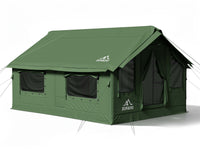
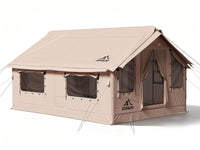
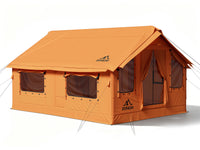
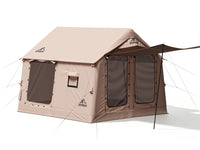
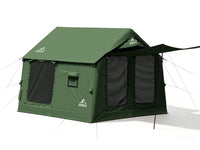
When camping with a dog, the tent should first be able to handle the everyday scratching and rubbing that comes with pet activity. As your dog enters, turns around, and moves inside the tent, its paws will regularly come into contact with the floor and interior surfaces. Durable, scratch-resistant fabric is better suited to this kind of use. ZONKOO inflatable tents use durable Oxford fabric that can better handle light rubbing and scratching from normal activity, but pets should still be kept from directly scratching or chewing the tent body, mesh, or air beams.
Space also needs to account for your dog and its gear. A dog bed, food, water bowls, and leash gear all take up room, so tent size should not be based on the number of people alone.
For one or two people taking a small dog on a short camping trip, a small inflatable tent like the Lyra can provide enough room for basic sleeping and storage needs without bringing a larger tent than necessary.
For two people camping with a medium or large dog, or anyone who needs more room for a dog bed and gear, the Orion and Vega offer different options. The Orion works as an inflatable camping tent for regular weekend trips, while the roomier Vega, an inflatable tent for camping, makes it easier to fit a larger dog bed, store gear, and keep the entrance clear.
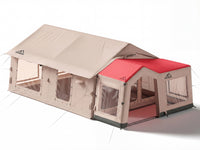
Families, multiple dogs, or longer stays require more than just sleeping space. You also need to reduce interference between people, pets, and gear. A large inflatable tent like the Draco uses separate areas to organize different resting spaces. If you also need extra room for a wet dog, leash gear, or daytime supplies, the Draco Plus with its Gazebo can keep some activities and gear organized outside the main sleeping area.
Further Reading: For more information on choosing a tent for camping with a dog, read What Type of Inflatable Tent Is Best for Camping With a Dog?
Pack What You Actually Need
The point of a Dog Camping Gear Checklist is not to pack more, but to prepare for the practical situations your dog may face at the campsite: staying within a safe area, eating and drinking, sleeping at night, handling changing weather, and dealing with mud and wet gear before entering the tent.
Once those needs are covered, the tent becomes more than just a place to sleep. It needs to fit people, dogs, sleeping gear, and camping equipment while leaving enough room to move around comfortably. Good camping preparation means every item has a clear purpose, and both you and your dog can feel more comfortable at camp.