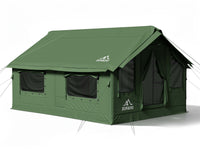
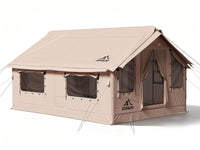
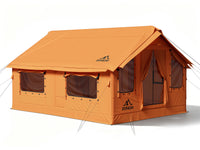
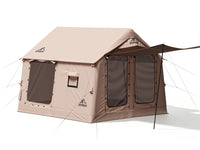
The key to cleaning a tent properly is to remove dirt as gently as possible while avoiding aggressive scrubbing, harsh cleaners, and unnecessary deep cleaning. Most dust, sand, and everyday mud can be handled by brushing it off when dry, using clean water, or spot cleaning.
After a camping trip, it is normal to find dirt, grass, leaves, or even bird droppings on a tent. This is especially common after camping on sandy ground, near a lake, or for several days in a row, when the tent floor, entrance, and lower walls tend to get noticeably dirtier than other areas. It may be tempting to wash the entire tent, but a tent is not something you should clean like ordinary clothing. Its fabric may also have a water-repellent treatment, waterproof coating, and sealed seams.
The real question is not how to get the tent as clean as possible, but what actually needs to be cleaned and how much cleaning is appropriate.
A Dirty Tent Does Not Always Need a Full Wash
Dust, dirt, and grass are a normal part of camping, so a tent does not need a full wash after every trip. Start by looking at its actual condition and choose the level of cleaning accordingly:
|
Tent Condition |
Recommended Approach |
|
Light dust, sand, or dried mud |
Shake off, brush gently, or wipe with a damp cloth |
|
Small mud spots, bird droppings, or other localized stains |
Spot clean |
|
Heavy mud over a large area or a noticeable odor |
Hand wash according to the tent material |
|
Mold, tree sap, or other difficult stains |
Treat according to the type of stain |
Do not judge the tent only by how dirty it looks overall. Check where the dirt has collected. The underside of the tent floor, the entrance, the lower walls, and areas around the zippers tend to pick up more sand and dirt than other parts. Cleaning these areas first is often enough to take care of most of the problem.
It is also important to distinguish surface dirt from problems with the material itself. If the fabric or seams are already showing clear signs of damage or deterioration, more aggressive cleaning will usually not solve the issue. The material or waterproofing itself may need closer inspection.
Before using water or any cleaning product, fully unfold the tent and check what is simply dusty, what actually needs cleaning, and what may no longer be a cleaning issue at all.

Start With the Gentlest Cleaning Method
You do not need to start with water or a cleaning product right away. Begin with the least aggressive method, and only step up the cleaning when the previous approach is not enough.
Remove Loose Dirt and Debris First
Spread the tent out and shake off leaves, sand, small stones, and loose dried mud. Use a soft cloth or soft-bristled brush to remove any remaining dry dirt and surface dust.
Do this before getting the fabric wet whenever possible. Damp sand and grit can cling to the fabric and create extra abrasion when rubbed against the surface.
Start With Clean Water for Everyday Mud
For any mud spots that remain, use clean water and a soft cloth or sponge. If the dirt is limited to a small area, spot-clean only that section rather than washing more of the tent than necessary.
If Water Is Not Enough, Use a Tent-Safe Cleaner
For stains that water alone cannot remove, use a mild, pH-neutral non-detergent soap or a cleaner specifically made for tents or outdoor technical fabrics. Test it on a small, inconspicuous area first, then rinse the cleaned area thoroughly with fresh water.
Avoid regular laundry detergent, heavy-duty stain removers, and solvents that have not been confirmed as safe for tent fabric. These products may affect the water-repellent treatment, waterproof coating, or seam materials.
For Widespread Dirt, Consider a Full Hand Wash
If dirt covers a large area or spot cleaning is no longer enough, consider hand-washing the entire tent. Keep the process gentle and avoid hard scrubbing, vigorous rubbing, or wringing.
Most tents should not be put in a washing machine or dryer. Agitation and spinning can repeatedly stress the fabric, mesh, and seams, while dryer heat may affect the fabric and waterproof coating.
A simple cleaning order is:
Remove dry debris → clean with water → spot clean with a suitable cleaner if needed → hand-wash the entire tent only when necessary.
Different Stains Need Different Cleaning Methods
For tougher stains, do not immediately reach for stronger cleaners or start scrubbing harder. First, identify what you are dealing with. Mold, tree sap, and bird droppings affect tent fabric differently and require different treatments. Choosing the right method is usually more effective than repeated cleaning and less likely to damage the fabric or waterproof layer.
Mold and Musty Odors
If you notice mold spots or a musty odor, fully unfold the tent and let it dry thoroughly first. Remove any loose surface mold and debris, then gently clean the affected area with warm water and a soft sponge before rinsing well.
If the odor remains after regular cleaning, use an enzyme cleaner suitable for tents or outdoor technical fabrics, following the tent’s care requirements. Use the amount and contact time specified by the product rather than extending the soak time. Rinse thoroughly with clean water afterward, then allow the tent to dry completely in a shaded, well-ventilated area.
Do not use bleach or strong household mold removers directly on a tent. While they may remove stains effectively, they can also affect the fabric, waterproof coating, and seam materials. If faint discoloration remains after the mold and odor have been addressed, there is no need to keep increasing the cleaning intensity simply to remove the mark completely.
Bird Droppings and Other Organic Residue
Bird droppings and food residue are best cleaned as soon as possible. If they are still fresh, remove most of the residue with clean water. If they have dried, wet the affected area first and allow the residue to soften before gently wiping it away.
If marks remain after rinsing, add a small amount of mild, pH-neutral, non-detergent soap to warm water and spot-clean with a soft cloth or sponge. Rinse thoroughly with clean water afterward. Avoid regular laundry detergent, and do not scrape hardened residue with a stiff brush, scraper, or fingernail.
Tree Sap
If tree sap gets on the tent fabric, do not rub it right away, as this can spread the stain over a larger area. Let the sap harden naturally, then gently remove any loose surface residue with your fingers or a blunt-edged tool, taking care not to scratch the fabric.
For any residue left behind, start with warm water and a mild cleaner suitable for tent fabric. If it still does not come off, use a stain remover specifically labeled as compatible with the relevant outdoor technical fabric and waterproof coating. Test it on a small, inconspicuous area before treating the stain.
Avoid using alcohol, adhesive removers, gasoline, or other household solvents directly on the fabric, as they may affect the DWR, PU waterproof coating, or seam materials. If only a small mark remains and it does not affect use, there is no need to keep using stronger cleaners simply to make it disappear completely.
How to Clean Different Parts of a ZONKOO Inflatable Tent
Cleaning an inflatable tent involves more than the main fabric panels. Along with common areas such as doors, windows, and zippers, the air beams and valves need separate attention to keep dirt, cleaning products, or improper handling from affecting these inflatable components.
- Tent fabric/floor: ZONKOO inflatable tents use PU-coated Oxford fabric. Everyday mud and surface dirt are generally easy to wipe away and less likely to leave stubborn residue. The floor has more contact with the ground, so the entrance and main activity areas tend to collect more dirt and sand. Removing these particles before folding the tent also helps reduce abrasion during storage and transport.
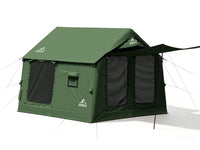
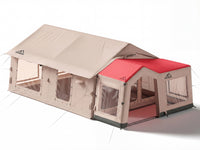
- Doors and windows: Dust and fine sand can usually be removed with clean water and a soft cloth or sponge. On models such as Vega and Draco, which have more windows, opening the curtains and doors makes it easier to clear dirt and sand from corners and folds.
- Zippers: Focus on removing sand from around the zipper teeth and sliders. Brush away dry grit with a soft-bristled brush. If debris is stuck between the teeth, soften it with a small amount of water before removing it.
- Air beams: Wipe mud and fine sand from the outer surface with a damp cloth. There is no need to open the air beam for ordinary surface dirt, and sharp tools should not be used to scrape away residue because they may damage the outer material.
- Valves: Dust and sand can collect around the valves during setup and pack-down. Wipe away visible debris from the outside, but do not insert cleaning products or tools into the valve body. Make sure the area around the valve is clean and dry before storage.

Do You Need to Re-Waterproof a Tent After Cleaning?
Not necessarily. Cleaning a tent does not mean it needs to be re-waterproofed right away.
Before deciding, it helps to distinguish between two things that are often confused.
DWR (Durable Water Repellent) is a treatment applied to the outer surface of the tent fabric. It helps rain bead up and roll off more easily, reducing how much water the outer fabric absorbs, but it is not the tent’s primary waterproof barrier.
The PU waterproof coating and seam sealing are more directly responsible for keeping water from passing through the tent fabric. A PU coating forms a waterproof barrier on the fabric, while seam tape or seam sealer closes off stitching and needle holes where water may enter.
So, if water no longer beads as well after cleaning, that does not automatically mean the tent has lost its waterproofing.
Once the tent is completely dry, check how it is performing to identify the issue:
- Water no longer beads well on the fabric: The DWR may have weakened and may need to be restored according to the fabric care requirements.
- Water is coming through the seams, or the seam-sealing material is coming loose: The seams need attention rather than simply applying another waterproofing treatment to the entire tent.
- The inside of the fabric feels sticky, is peeling, or shows signs of coating delamination: This is more likely related to the PU waterproof coating itself and is different from reduced DWR performance.
In short, waterproofing maintenance should be based on what the inspection shows rather than treating cleaning and re-waterproofing as a single process. If waterproofing needs to be restored, choose a DWR treatment, waterproof coating repair product, or seam sealer based on the specific issue.
If the tent still keeps out rain and there are no obvious problems with the fabric, seams, or coating, there is no need to add another waterproofing treatment simply because the tent has been cleaned.
If cleaning reveals reduced water repellency, leaking seams, or signs that the waterproof layer needs attention, read How to Waterproof a Tent: A Truly Useful Tent Waterproofing Guide for more on evaluating and restoring your tent’s waterproofing.
The Final Step Is Letting the Tent Dry Completely
Even after the tent is clean, the job is not finished until it is completely dry. If moisture is folded into the tent and packed away, musty odors can return, while prolonged dampness can increase the risk of mold and changes to the materials.
The large exterior fabric panels are usually the easiest areas to check, but moisture can linger on the underside of the floor, in folds around doors and windows, where mesh meets the fabric, and around the air beams and valves of an inflatable tent. Any areas treated with a cleaning product should also be rinsed thoroughly before the entire tent is left to air-dry in a well-ventilated area.
If rainy weather forces you to pack the tent away wet at the campsite, unfold it again as soon as possible once you reach a dry location. Packing a wet tent for a short period is not the main concern; the real problem is leaving it damp, folded, and without ventilation for an extended time.
Once the tent fabric, floor, and all cleaned areas are completely dry, fold and store the tent. Only then is the cleaning process complete.
Make Cleaning Part of Long-Term Tent Care
The goal of cleaning a tent is not to make it look brand new after every trip. It is to remove dirt and stains while minimizing unnecessary wear on the fabric, waterproof treatments, and structural components. Choose a cleaning method based on how dirty the tent actually is, then let it dry completely before storage. That is what makes cleaning part of good long-term tent care.