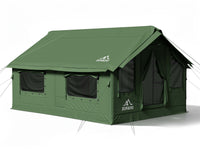
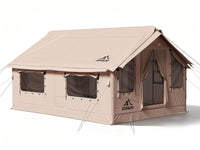
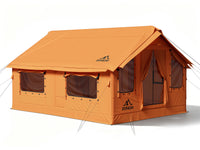
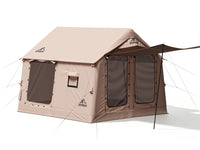
For your first solo camping trip, the key is to plan a trip you can comfortably manage on your own. For most beginners, the safest approach is to choose a managed campground with easy vehicle access, stay for just one night, and finish setting up camp before dark.
When camping alone, you're responsible for pitching your tent, checking the weather, planning your route, staying in touch, and handling everything that comes with spending the night outdoors. One of the biggest concerns is having no one you know nearby to help if something goes wrong. Preparing for these situations ahead of time can make your first solo camping trip safer and more enjoyable.
How to Plan Your First Solo Camping Trip
For your first solo camping trip, start with a short stay somewhere within a reasonable distance of home. You'll get to experience camping on your own while keeping your plans flexible if something needs to change.
Start with one night
One night is usually enough for your first solo camping trip.
Arriving at the campground, setting up your tent, making dinner, spending the night, and packing up the next morning will give you a good sense of what solo camping involves. If you're uncomfortable or run into problems with the weather or your gear, you can cut the trip short.
You don't need to venture far from home, either. A campground within a manageable driving distance, with easy-to-follow access roads, makes the trip simpler and gives you the option to head home early if needed.
Choose an established campground
For your first night camping alone, an established campground is generally a better option than a remote dispersed camping area.
Before choosing a campground, check:
- Whether campsites are clearly marked
- Whether a camp host or other staff members are available
- Whether you can drive directly to or park near your campsite
- Where the restrooms and drinking water are located
- Whether the campground entrances and exits are clearly marked
- Whether cell service is available
- Where to find the nearest ranger station or other assistance point
- What local wildlife and food storage rules apply
If you haven't settled on a destination, ZONKOO Tent Camping Near Me can help you find tent campgrounds closer to home.
Share your plans with someone you trust
When camping alone, make sure at least one person knows where you're going and when you expect to return.
Share details such as:
- Campground name and address
- Campsite number
- Where you'll park your vehicle
- Expected arrival and return times
- Any hikes or other activities you have planned
- When you plan to check in and what to do if you miss a check-in
If cell service may be unreliable, download offline maps and save the campground's contact details, ranger station information, and emergency numbers before leaving.
These details may seem minor, but they can make a real difference if you need help. Knowing where you are and what you have planned makes it easier for someone to figure out whom to contact.
What to Bring for Solo Camping
Camping alone doesn't necessarily mean bringing more gear, but you do need to have the essentials covered. Check your shelter, water, lighting, emergency supplies, and personal safety items before you leave.
Tent and sleeping gear
Basic sleeping essentials include:
- Tent
- Groundsheet
- Sleeping bag suitable for the expected overnight temperatures
- Sleeping pad
- Warm clothing as needed
Do a full practice setup before your trip to make sure you have all the stakes, guy lines, inflation equipment, or tent poles you need. Choose your sleeping bag and clothing based on the expected overnight low rather than the daytime temperature.
Food and water
For your first solo camping trip, stick to familiar foods that are easy to prepare without much cooking.
Bring enough drinking water for your trip and check whether the campground has potable water. If you'll need to collect water, find out where the water sources are and how to treat the water before drinking it.
Lighting and backup power
A headlamp is especially handy when camping alone. It keeps your hands free while pitching your tent, cooking, organizing gear, or walking to the restroom at night.
Consider bringing:
- Headlamp
- Backup light
- Spare batteries
- Power bank
You'll also need your phone for communication and navigation, so it's best not to rely on it as your main light source for long periods.
Navigation, emergency, and personal safety supplies
Consider packing:
- Offline maps
- Personal medications and a basic first-aid kit
- Basic repair tools and tent repair supplies
- A satellite communication device if needed
- A whistle or personal alarm
If cell service is unreliable at your destination, make sure you have another way to call for help. If you plan to carry pepper spray, check the rules for the state, park, or campground and learn how to use it properly.
Wildlife protection
If you're camping in an area with bears or other large wildlife, review local food storage and wildlife safety rules before your trip. Food, trash, and other scented items must be stored according to local requirements. Some areas require food lockers or bear-resistant containers.
If local authorities recommend carrying bear spray, check the applicable rules and learn how to use it correctly. Bear spray is designed specifically for bear encounters and should not be replaced with regular personal-defense pepper spray.

How to Stay Safe While Camping Alone
Once you arrive, try to finish setting up camp before dark. Stay aware of the people around you, nearby wildlife, and any changes in the weather.
Finish setting up camp before dark
After arriving, set up your tent and sleeping area while there's still daylight. Then locate the restrooms, drinking water, your vehicle, campground exits, and campground management facilities.
Before it gets dark, put your headlamp, shoes, jacket, keys, and phone somewhere you can easily reach them. Keep storage bins, cooking equipment, and other gear out of walkways so you don't trip over anything if you get up during the night.
Stay aware of your surroundings
When camping alone, there's no need to tell people you've just met your full itinerary, how long you're staying, or when you'll be away from your campsite. If someone's behavior makes you uncomfortable, contact campground staff. You can also move to another campsite or leave if necessary.
Keep your distance from wildlife. Never approach, feed, or follow animals to take photos. If you hear animals outside your tent at night, don't immediately go out to investigate. Follow local guidance for dealing with wildlife in the area.
Adjust your plans when the weather changes
Keep an eye on the weather even after you've arrived. If thunderstorms, strong winds, heavy rain, extreme heat, or extreme cold are in the forecast, adjust your plans as needed. If conditions threaten your tent's stability, make roads difficult to travel, or prevent you from staying warm enough, be prepared to leave early.
What to Expect When Camping Alone at Night
For many first-time solo campers, nighttime takes the most getting used to. Familiar outdoor sounds, such as wind, falling branches, and small animals moving around, can seem louder when you can't see what's happening outside. It's natural to feel more alert in an unfamiliar setting.
You might wake up more often than usual on your first night or find yourself listening closely to every sound outside the tent. As you get used to the nighttime environment, you'll likely feel more at ease.
What if you feel scared camping alone at night?
Try to keep your usual bedtime routine. Reading, listening to a podcast at a low volume, or spending a little time organizing your gear can help you settle in.
You don't need to go outside every time you hear a normal campground sound. If a noise continues, sounds unusually close, or suggests something is wrong, follow the guidance provided by the campground or local authorities.
When should you end your trip early?
One restless night doesn't necessarily mean you need to leave. But if you feel seriously unwell, essential gear stops working, you can't maintain an adequate supply of drinking water or stay warm, or you continue to feel unsafe, it's reasonable to head home early.
You don't have to push through an uncomfortable or unsafe situation just to finish a solo camping trip.
Solo Camping Checklist Before You Leave
Before heading out on your first solo camping trip, go through this quick checklist:
- Is the weather forecast suitable for camping?
- Have you confirmed your campground and campsite?
- Have you shared your itinerary with someone you trust?
- Have you downloaded offline maps and saved important contact information?
- Are your tent, sleeping bag, sleeping pad, and lights ready?
- Do you have enough food and drinking water?
- Have you checked local wildlife and food storage rules?
- Do you know how to leave the campground if the weather, your health, or your gear becomes a problem?
Once you've checked everything off, you're ready to go.
Start Simple and Build From There
There's no need to plan a longer trip or head somewhere more remote right away. Setting up camp on your own, spending the night, and packing up the next morning will help you figure out what you actually need and what you'd do differently next time.
With more experience, camping alone will start to feel more familiar. You'll be able to plan your time at your own pace, choose campgrounds that suit you, and get a clearer idea of the kind of camping you enjoy most.