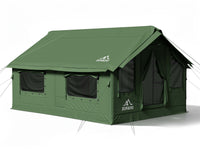
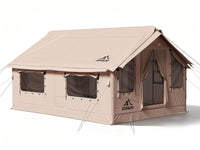
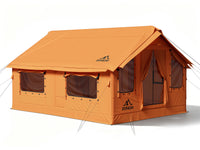
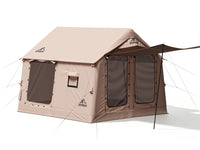
When arriving at a campsite, some campers lay down a tarp before setting up their tent, while others feel that an already waterproof tent floor makes an extra layer unnecessary. Whether you actually need something underneath depends on the campsite surface, how often the tent is used, and whether you want to reduce wear on the tent floor and make cleanup easier after camping.
If the ground is flat and dry with no obvious rocks or sharp objects, the tent can be set up directly on the ground. On gravel, hard-packed soil, wet grass, or muddy ground, or when the same tent is used frequently, adding a layer of ground protection can be more practical. Once you decide that an extra layer is useful, the next question is whether to use a tent footprint or a regular tarp.
Why Put Something Under a Tent?
Once a tent is set up, the weight of people, sleeping pads, luggage, and other gear continuously presses the tent floor against the ground. On soft grass, this contact is less likely to cause noticeable problems. On gravel or hard-packed soil, however, the surface can continue rubbing against the tent floor even after larger rocks and branches have been cleared away.
A footprint, groundsheet, or tarp creates a layer between the tent floor and the ground. It cannot make an unsuitable campsite safe, but it can reduce direct contact with rough surfaces. For families that camp several times a year, this type of protection can be more useful than simply asking whether water might be underneath the tent.
Wet grass and muddy ground create more of a cleanup issue. Heavy morning dew or rain from the previous day can leave the tent floor covered with moisture, mud, and bits of grass. After camping for two or three nights, the entire floor may need extra cleaning and drying before packing up. With a groundsheet underneath, much of that dirt stays on the protective layer instead, making the tent itself easier to clean.
Gravel, hard-packed soil, wet grass, mud, and wooded campsites with small branches or pinecones are all situations where extra protection can be useful. Obvious sharp objects should still be removed before setup. A groundsheet is a protective layer, not a reason to pitch a tent directly over branches or rocks.
If the campsite has flat, dry grass with no obvious hard objects and the trip is only for a night or two, an extra layer may not be necessary. Clean, soft sand can also work without one, but shells, rocks, and broken branches should still be cleared away. If the same tent is used frequently, adding a ground layer can also reduce repeated contact between sand and the tent floor. If the campsite itself is low-lying and prone to pooling water, the better solution is to move to a different spot rather than try to fix the problem with a larger tarp.
A waterproof tent floor also does not mean that extra protection has no value. Waterproofing mainly helps keep moisture from passing through the floor, while ground protection is more about reducing contact with abrasion, mud, and damp surfaces.

What’s the Difference Between a Tent Footprint and a Tarp?
If you decide to add a protective layer under your tent, the most common options are a tent footprint or a properly sized tarp. Both reduce direct contact between the tent floor and the ground, but they differ in fit, convenience, and price.
A tent footprint is designed specifically to protect the tent floor. Many are made to match the size and shape of a particular tent, making them easier to align without having to fold or adjust the material each time. If you regularly use the same tent, that fit can make setup more straightforward. The tradeoff is that a footprint is often designed for a specific size or model, so it may not work well with other tents, and it generally costs more than a standard tarp.
A tarp is a general-purpose waterproof sheet. It can go under a tent, cover gear, protect other items, or serve other purposes around the campsite. Tarps come in a wider range of sizes and prices, and larger family tents are often easier to match with a sufficiently large tarp. Because a tarp is not cut for a specific tent, an oversized one needs to be folded under, while one that is too small may not cover the entire area that needs protection.
When Is a Footprint Better, and When Is a Tarp Better?
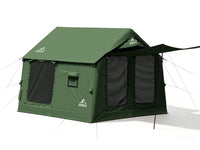
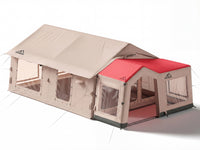
Start with how the tent is normally used. If most trips involve the same tent, especially for family car camping or multi-day stays, a matching footprint or groundsheet can be more convenient. It can become part of the regular setup process without having to work out the fit each time. For example, ZONKOO offers Groundsheets for different sizes of inflatable tents, so campers using the same model can choose one based on the tent’s dimensions.
If several tents are used interchangeably, or there is already a properly sized tarp in good condition, there is no need to buy a separate footprint just for floor protection. As long as the tarp covers the area that needs protection and any excess material is folded under the tent during setup, it can serve the same everyday purpose.
For frequent camping on gravel, hard-packed soil, or other rough surfaces, the material and abrasion resistance of the ground layer also matter. A more durable layer is better suited to repeated friction with the ground, while a footprint or tarp that has become thin or damaged should be replaced.
In general, a matching footprint or groundsheet makes more sense when the same tent is used regularly. If tents are rotated or a suitable tarp is already available, existing gear can be used instead. On rough ground, also consider the durability of the material rather than choosing based only on whether it is called a footprint or a tarp.

How to Properly Place a Footprint or Tarp Under a Tent
The most common problems usually come from getting the size or placement wrong, not from choosing the wrong material.
Before laying anything down, check the campsite first. Remove obvious rocks, sharp branches, pinecones, and other hard objects, and pay attention to the slope and drainage. If rainwater is likely to collect where the tent will sit, choose a better spot. A groundsheet cannot replace basic campsite preparation.
Once the location is set, lay down the footprint or tarp. It should cover the area where the tent floor touches the ground without extending noticeably beyond the edges of the tent.
This is one of the most common mistakes when using a regular tarp. A larger tarp may seem like better protection, but any section left exposed outside the tent can catch rain. Water falling directly on the exposed tarp, along with water running down the outside of the tent, can eventually collect between the tarp and the tent floor.
If the tarp is larger than the tent floor, fold the excess underneath the tent instead of leaving it spread out around the edges. The goal is to protect the tent floor, not to create a waterproof platform around the tent.
A more practical setup order is to clear the campsite, lay down the groundsheet or tarp, check its direction and coverage, fold in any excess material, and then unfold the tent. This is especially useful with large family inflatable tents. Once the tent body is fully spread out or inflated, adjusting the ground layer underneath becomes much more difficult than it would with a smaller tent.
After the tent is set up, walk around it once more to make sure the groundsheet is not sticking out, no hard objects were missed underneath, and the tent has not been shifted into an area with poorer drainage.
What Should You Put Under a Tent?
If the campsite is flat and dry with no sharp objects and the trip is only for a short stay, an extra ground layer may not be necessary. On gravel, hard-packed soil, wet grass, or muddy ground, or when the same tent is used frequently, adding ground protection can be more practical. If you regularly use the same tent, a properly sized footprint or groundsheet can be a convenient choice. If you already have a suitable tarp or want something more versatile, a tarp can work just as well.
No matter which option you use, the key is to judge the campsite first and keep the protective layer within the footprint of the tent floor. A ground layer is not necessary for every trip, but when conditions call for one, it can reduce direct contact with rough or damp ground and make cleanup easier when it is time to pack up.