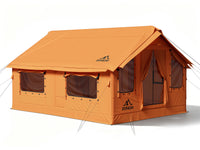
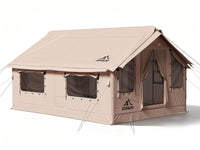
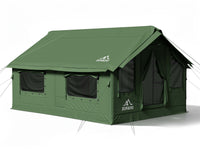
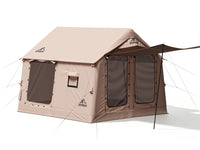
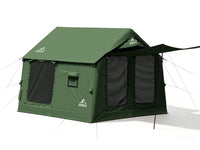
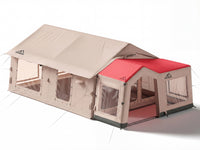
Burning Man 2026 will take place from August 30 to September 7 in Nevada’s Black Rock Desert, lasting nine days. Living on the Playa for several days requires more than a tent. You also need to prepare essential supplies and plan for changing weather conditions in advance.
Many first-time Burning Man attendees arrive at their campsite and immediately start unloading the vehicle, setting up the tent, and moving gear before checking the wind direction or surrounding space. A few hours later, they may realize that the tent door faces directly into the wind, the shade tarp does not block the afternoon sun, the guylines cross the walkway, and important supplies are buried under other gear.
These problems may be temporary inconveniences during ordinary camping, but on the Playa, heat, dust, strong winds, and sudden rain can make them much worse. Whether you use a standard tent or inflatable camping tents, you should plan the entire campsite before arriving instead of making adjustments on site.
Choose a Tent Based on Your Camp Needs
When choosing a tent for Burning Man, do not rely only on its stated sleeping capacity. Once the beds are set up, you still need space for storage boxes, drinking water, clothing, and daily movement. Two people carrying a large amount of gear may need more space than they would for a typical two-person camping trip. Groups also need room for shared supplies and indoor activities.
If the tent will mainly be used for sleeping and basic storage, a compact model is easier to position and cover with shade. If you need space to change clothes, organize gear, or store supplies for several people, more spacious inflatable family tents are a better fit. Larger groups may also benefit from a divided layout that separates the sleeping area from shared storage.
Further Reading: If you have not chosen a tent yet, read Best Inflatable Tents for Burning Man in 2026 to compare five ZONKOO inflatable tents for Playa camping and choose the model that best fits your group size, gear, and campsite needs.
Prepare Basic Survival Supplies
The Playa does not offer the same reliable supply access as a commercial campground. Drinking water, food, medication, lighting, and personal hygiene supplies should all be prepared in advance and should cover the full event as well as possible delays.
Plan for at least 1.5 gallons of water per person per day, with extra for cleaning and unexpected situations. Each person should also bring close-fitting goggles, a dust mask, sun protection, warm clothing, rain gear, enough prescription medication, and essential personal hygiene supplies.
Cell service and internet access on the Playa may be unreliable, so your camp should not depend on a phone alone for weather updates and event notices. Bring a battery-powered or solar-powered radio to listen to BMIR 94.5 FM. When your phone can connect, use the BRC Dashboard for additional information. Keep the radio, goggles, dust masks, and lighting together in a clearly marked emergency supply box near the tent entrance so they are easy to reach when conditions change.
Plan the Tent and Shade Layout
After arriving at your campsite, do not inflate the tent right away. First check the wind direction, vehicle placement, and nearby walkways, then estimate the full area needed for the tent, shade structure, and anchoring system.
A tent takes up more space than its floor area. Guylines, anchors, shade poles, and the entrance all need room. With large inflatable tents, the surrounding anchoring area will be larger. If you only plan around the tent dimensions, guylines may cross walkways or the shade structure may not have enough room to open fully.
Lay out the tent and shade tarp on the ground first to confirm that the entrance is easy to use and that the guylines will not interfere with bicycles, vehicles, or shared paths. Avoid facing the entrance directly into the main wind, and do not place it where storage boxes and shared supplies are likely to pile up.
Set Up the Camp in the Right Order
Once the layout is confirmed, clear sharp objects and debris from the ground before unfolding and inflating the tent. As soon as the tent is standing, install the anchors and guylines. Set up the shade structure next, and move in the beds, luggage, and storage boxes last.
Inflatable air tents eliminate the need to connect and thread traditional poles, but an inflated tent is not fully set up. Once standing, it is directly exposed to the wind and should not remain unsecured while the interior is being organized. The shade tarp should also be anchored as it is opened, since a large sheet of fabric becomes difficult to control once the wind catches it.
Anchor the tent and shade structure separately instead of relying entirely on the same anchor points. After setup, walk around the camp to make sure the entrance opens fully, the guylines do not cross main walkways, and all exposed hardware is protected and clearly marked for nighttime visibility.
Provide Shade and Keep the Tent Cool
A Burning Man tent needs a separate shade structure, but the shade tarp should not rest directly on the tent roof. Leave an air gap between them so heated air can circulate and escape, while prioritizing the side that receives the strongest midday and afternoon sun.
The shade structure should not completely block the main doors and windows. As temperatures rise during the day, open vents on different sides to create airflow and move storage boxes and luggage away from ventilation areas. Avoid spending long periods inside a poorly ventilated tent during the hottest part of the day, and keep drinking water and sun protection within easy reach.
Inflatable tents also require attention to changes in the air beams caused by temperature differences between day and night. Internal pressure may increase as temperatures rise during the day, while the tent may become slightly softer after temperatures fall at night. If the air beams feel too firm or too soft, or the roof begins to sag noticeably, adjust the pressure according to the product instructions.

Reduce Dust Inside the Tent
Playa dust is extremely fine, and most camping tents cannot block it completely. A more practical approach is to control how far the dust spreads inside the tent and keep it away from beds, clothing, and personal items.
The interior can be divided into three simple areas. Keep shoes, goggles, dust masks, and outer clothing near the entrance. Place drinking water, lighting, and frequently used supplies in the middle area. Store beds, clean clothing, medication, and electronic devices farther inside, using sealed bags or storage boxes with lids.
When dusty conditions begin, close the openings facing the wind and limit unnecessary trips in and out. Brush loose dust from shoes and clothing before entering to reduce buildup around beds and zippers. If a zipper begins to stick, clean the dust from the teeth before pulling it again.
Check the Camp Before Strong Winds
Before strong winds arrive, move chairs, empty buckets, trash bags, tablecloths, and cleaning tools into the tent, a vehicle, or storage boxes with lids. Checking the tent alone is not enough, since any loose item can blow away or strike another structure.
Next, inspect the anchors, guylines, and shade attachment points. Keep the guylines under even tension rather than tightening one side while leaving the other loose. Anchoring the tent and shade structure separately also helps prevent one loose section from affecting the entire camp.
The lightweight stakes included with standard tents may not be suitable for the hard Playa surface. Before departure, check the current Burning Man Survival Guide for anchor length, installation methods, and safety marking requirements, and bring the proper tools for installation and removal. Exposed stakes, rebar, or bolts should also be covered and marked clearly for nighttime visibility to reduce tripping hazards.
Protect Supplies During Rain
After rain begins, the biggest problem is often not the tent getting wet, but the ground quickly turning muddy and making it difficult to move people and supplies. When rain is forecast, prioritize bedding, clothing, medication, food, and electronic devices.
Place important items in waterproof bags or sealed containers and keep them off the ground when possible. Do not leave moisture-sensitive items near the tent entrance, and bring outdoor furniture and electrical equipment inside. Keep lighting, drinking water, and warm clothing within easy reach so you do not have to search for them after the ground becomes muddy.
Once rain begins or the Playa surface becomes wet, stop driving and riding bicycles, and stay in a safe area based on onsite broadcasts and official updates. Mud can quickly clog tires and drivetrain components, and vehicle movement may further damage the ground. After the rain stops, check the groundsheet, seams, doors, windows, and areas around the air valves before ventilating the tent as conditions allow. Keep wet items separate from clean bedding.

Check the Tent and Camp Daily
During a multi-day camping trip, you do not need to reorganize the entire camp every day, but a quick check each morning and evening can help identify pressure changes, loose anchors, and low supplies early.
Morning: Check the air beams, anchors, guylines, shade edges, and drinking water, then open the doors and windows for ventilation.
Evening: Bring in lightweight outdoor items, clear the entrance and walkways, and return goggles, dust masks, lighting, and warm clothing to their designated places.
When several people share the camp, common supplies should also be returned to their assigned locations.
Clean and Pack Up Before Leaving
Before taking down the tent, brush off loose surface dust while the tent is dry. Zippers, air valves, door and window seams, and groundsheet folds tend to collect dust and should be cleaned separately. Do not fold large amounts of dust directly into the storage bag.
Count each anchor and guyline as you remove them to avoid leaving behind metal hardware, broken cord, or packaging materials. If the tent is still damp, complete a basic cleaning first, then unfold it again and let it dry thoroughly after returning home before long-term storage.
After loading all equipment into the vehicle, check the edges of the campsite once more. Small pieces of plastic, cord ends, metal fragments, and dropped hardware must all be removed. Packing up the tent does not mean the cleanup is finished. Leaving the campsite clean is the final step.
Make the Tent Part of the Entire Camp
A comfortable Playa camp is not created by setting up the tent alone. The tent, shade structure, anchors, storage, and basic survival supplies should all follow the same layout. Complete a test setup before departure, then confirm the wind direction, walkways, and anchoring area before building the camp. This will make the campsite easier to use and maintain over the following days.
Choosing a tent that fits your group size and gear needs is the first step in planning the campsite.