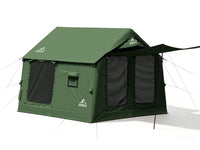
Rain does not necessarily mean a camping trip has to be canceled. With passing showers or steady light rain, a well-drained campsite, a properly set up tent, and a clear separation between sleeping gear and wet gear can still keep camp relatively comfortable.
What often makes camping in the rain difficult is not the rain itself, but where the water ends up: standing water reaching the tent floor, rain being tracked in through the entrance, wet jackets and shoes piling up inside, or heavy condensation forming after all the vents are closed to keep rain out.
The key to camping in the rain is not keeping everything completely dry at all times. It is controlling where water goes and protecting the gear that truly needs to stay dry.
Before You Go: Is It Still Safe to Camp in the Rain?
Rain in the forecast does not automatically mean the trip should be canceled. Before leaving, the real question is whether the rain will simply make the trip more difficult or whether it could affect campground access, road conditions, or safety at camp.
Do not rely only on the rain icon in a weather app. Pay closer attention to how long the rain is expected to last, forecasts for thunderstorms and high winds, flood alerts, and changing conditions around the campground.
Use the forecast to judge the situation:
- Passing showers or intermittent light rain: Rain alone usually is not a reason to cancel the trip, and you can continue preparing for wet-weather camping.
- Long-lasting or heavy rain: Check local weather alerts, campground notices, and conditions on access roads, especially near creeks, river valleys, or areas prone to flash flooding.
- Thunderstorms or high winds: Reassess the trip. A tent is not reliable shelter from lightning, and severe weather should not be treated like normal rainy camping conditions.
- Flood warnings, road closures, or campground closures: Change the dates, campground, or trip plan rather than heading out and trying to deal with the situation after arrival.
Also, pay attention to temperature changes that come with the rain. A shower in warm weather and a full day of rain in colder conditions place very different demands on clothing, sleeping gear, and staying warm.
Choose a Well-Drained Campsite
When setting up a tent in the rain, start by looking at how well the campsite drains. Even a tent with good rain protection can be difficult to manage if it is pitched where water tends to collect, especially as the rain continues.
Once you arrive, look at the surrounding terrain and the direction water is likely to flow. Choose a spot that is relatively level, slightly higher than nearby low areas, and shows no obvious signs that runoff collects there. The ground does not need a noticeable slope, but water should not be steadily flowing toward the tent.
Avoid obvious depressions, natural drainage channels, existing puddles, and areas close to creeks or other waterways that may rise in the rain. Even if these spots are dry when you arrive, consider whether they could begin collecting water after prolonged rainfall.
After checking the ground, look around and above the tent site. Avoid pitching beneath dead limbs, loose branches, or unstable trees, especially when rain is accompanied by wind.

Use Multiple Layers of Rain Protection
Keeping the inside of a tent dry in the rain should not depend on the tent fabric alone. The floor sits against wet or muddy ground, the top is exposed to direct rainfall, and people entering and leaving can bring water in through the doorway. Each of these paths can be managed with a different layer of protection.
Groundsheet / Footprint: Reduce Contact With Wet Ground
A footprint or properly sized groundsheet helps separate the tent floor from wet grass, mud, and rough ground. It can also reduce the amount of dirt and grit that sticks to the bottom of the tent, making pack-up easier after the rain.
However, it cannot make up for poor campsite drainage. If surface water continues to collect beneath the tent, moving to a better location is more important than adding a larger layer underneath it.
For more on choosing between a footprint and a tarp, including sizing and setup, read: What Should You Put Under a Tent? Tent Footprint or Tarp?
Rainfly: Protect the Tent From Direct Rain
If the tent includes a rainfly, set it up according to the tent’s design and keep it properly tensioned so rain can run off the surface. A loose rainfly, incorrect setup, or sections that are not fully extended can reduce its effectiveness in wet weather.
At the same time, do not close off the tent’s intended ventilation just to keep rain out. Humidity is already higher in wet weather, and keeping the tent ventilated as designed can help reduce moisture buildup inside.
Tarp / Canopy: Add a Sheltered Area at the Tent Entrance
A separate tarp or canopy is better used to extend the sheltered area outside the tent rather than to drape it directly over the tent. This gives you a place to set down wet jackets, shoes, or backpacks before heading inside and can reduce the amount of rain entering when the door is opened or people move in and out.
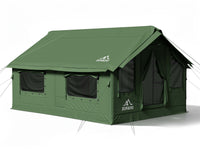
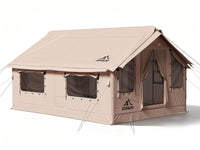
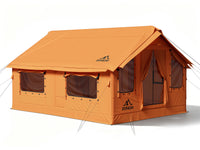
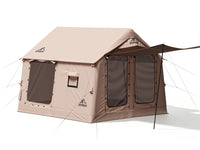
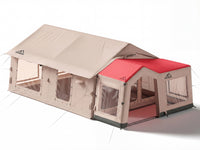
A tent with a separate covered outdoor area can also make it easier to divide wet and dry spaces. The ZONKOO Draco Plus adds a connected Gazebo beyond the main tent, providing a total of 252 sq ft of usable space. In the rain, wet shoes, rain gear, and backpacks can stay in the Gazebo while the drier main tent remains available for sleeping and relaxing. The Draco Plus uses a PU5000 mm waterproof coating, with key seams also protected, for camping in normal rainy conditions.
Draco Plus
In the Rain, Setup Order Matters More Than Speed
If it is already raining when you arrive at the campsite, the priority is not unloading everything at once. It is minimizing how long dry gear is exposed to the rain.
For car camping, take out only the tent and rain protection you need for setup and leave the rest of your gear in the vehicle. Once the tent, rainfly, and necessary anchoring are fully in place, bring the remaining gear inside.
A practical setup order is:
- If there is no lightning or strong wind and conditions are safe, set up a temporary rain shelter first. A tarp or canopy can provide a covered place for setting up tools and some gear while making the rest of the process easier.
- Set up the main tent. Once the frame or air beams are in place, install the rainfly or complete the tent’s built-in rain protection as soon as possible, then secure the stakes and guylines as directed.
- Check the doors, windows, and rain protection. Make sure all intended coverage is in place, and the rainfly is not noticeably loose or sagging enough to collect water before bringing gear inside.
- Bring in the gear that most needs to stay dry first. Sleeping bags, bedding, and dry clothes should come in before tables, chairs, storage bins, and other items.
Even after the main tent is standing, do not rush to arrange the interior. Until the stakes, guy lines, and rain protection are fully secured, the tent is still more exposed to wind and rain.
If the rain becomes significantly heavier during setup, first check for thunder, strong winds, or rapidly rising water. If it is only heavier rain and conditions remain safe, pause unloading and continue when the rain eases. If lightning or other dangerous weather develops, move immediately to an enclosed vehicle or a substantial building. Do not wait inside a tent, under a tarp, or beneath an open-sided canopy.

Divide the Campsite Into a Dry Zone and a Wet Zone
When camping in the rain, it is more practical to create separate Dry and Wet Zones than to try to keep everything from getting wet. That gives dry items and wet gear each a clear place to go.
|
Dry Zone |
Wet Zone |
|
Sleeping bags and bedding |
Rain jackets and rain pants |
|
Dry spare clothes |
Wet or muddy shoes |
|
Electronics |
Umbrellas |
|
Pillows and warm layers |
Damp backpacks |
|
Personal items that need to stay dry |
Wet towels and outer layers |
The Dry Zone should be in a relatively dry part of the tent, away from the entrance. Sleeping bags, spare clothing, and electronics should also be kept from resting against damp tent walls for long periods. The Wet Zone is better placed in a vestibule or Gazebo, near the entrance, or in another sheltered outdoor area.
Keep the Tent Ventilated—and Don’t Mistake Condensation for a Leak
Once the outside of the tent is protected from rain, moisture inside still needs attention. Humidity is higher in wet weather, and moisture from breathing can condense into droplets on cooler tent fabric. The more tightly the tent is sealed, the harder it is for that moisture to escape.
For that reason, do not close every vent just to keep rain out. As long as rain is not entering directly, keeping the tent ventilated as its design allows can help moisture escape.
If you find water inside the tent, first look at where it is coming from:
- More likely condensation: Water droplets appear fairly evenly across the inside of the tent fabric, especially overnight or early in the morning, with no clear entry point.
- More likely a leak: Water is concentrated around seams, doors, windows, or another specific area and continues to increase as the rain continues.
If condensation is the cause, improve ventilation first and keep sleeping bags, sleeping pads, and luggage from resting against damp tent walls for long periods so moisture does not transfer directly to the gear. If there is a clear entry point, check the rainfly, doors, windows, seams, and the affected area to make sure everything is properly installed or closed.
How to Pack Up a Wet Tent in the Rain
If it is still raining when you break camp, pack sleeping bags, clothing, electronics, and other items that need to stay dry into the vehicle or waterproof storage first. Leave the tent until last so gear that is already dry does not get wet again during pack-up.
When taking down the tent, shake off excess water, mud, grit, and leaves. There is no need to spend time thoroughly cleaning it or folding it neatly in the rain. Simply keep the wet tent separate from dry gear such as sleeping bags and clothing.
Finish the drying process once you get home. Set the tent up or spread it out again as soon as possible, remove any remaining dirt from the tent fabric and floor, and allow the rainfly, floor, guylines, and other damp parts to air out fully. Check folds and any places where fabric is pressed together, and make sure everything is completely dry before storing the tent.
The Key to Camping in the Rain Is Keeping Camp Under Control
The goal of camping in the rain is not to keep the tent and every piece of gear from ever getting wet. It is to keep the sleeping area and essential items usable, give wet gear a place to go, and make sure changing weather stays within conditions that can be handled safely.
With that preparation in place, normal rain no longer means constantly moving gear, wiping up water, or making last-minute fixes. The rain may continue, but camp remains manageable. When thunderstorms, strong winds, or flooding become a concern, you also know when it is time to end the trip.
Rainy weather can also reveal how practical a tent really is. Beyond basic rain protection, a tent that can stay ventilated, limit water entry, and provide enough room for wet gear and everyday camp use can make a rainy family camping trip much easier to manage.