Fall is often one of the most comfortable seasons for camping. Daytime temperatures are no longer as hot as they are in midsummer, mosquitoes and campground crowds begin to thin out, and activities like hiking, enjoying fall colors, and sitting around the campfire become more pleasant. But fall camping is not simply about packing an extra jacket. Wider temperature swings between day and night, earlier sunsets, shifts in wind and rain, and reduced campground services during the off-season can all affect how a trip should be planned.
Start planning a fall camping trip by checking the expected overnight low and local sunset time, then adjust the tent, sleep system, and clothing based on wind, rain, campground status, and local conditions. The goal is not to bring more gear, but to make sure the essential gear matches the trip.
Quick Pre-Trip Checklist for Fall Camping
|
What to Check |
What It Affects |
|
Overnight low |
Sleeping bag, sleeping pad, and warm clothing |
|
Rain, wind, and weather alerts |
Rain protection, tent security, and trip planning |
|
Local sunset time |
Arrival, setup, and hiking return time |
|
Campground status and seasonal services |
Drinking water, showers, trash disposal, and other services |
|
Road and vehicle access |
Getting to and from the campground |
|
Backup plan |
How to adjust if the weather or campground conditions change |
Check the Weather and Campground Conditions First
When checking the weather for a fall camping trip, do not focus only on the daytime high. The afternoon may still feel warm, but temperatures can drop quickly after sunset. Campgrounds in the mountains, at higher elevations, in valleys, or near open water may also have noticeably different overnight temperatures from nearby towns.
Before leaving, check:
- The overnight low for the specific campground and travel dates
- Rain, wind speed, and local weather alerts
- Campground opening dates and water availability
- Fire restrictions and other seasonal rules
- Whether mountain roads may be affected by early snow, construction, or rockfall
As campgrounds enter the fall off-season, some may remain open even after drinking water, showers, stores, or trash disposal services have closed. It is also a good idea to save offline maps and reservation details before the trip.
Plan the Day Around Earlier Sunsets
Daylight gets shorter throughout the fall, and following the same schedule as in summer can leave you arriving at the campground with too little light remaining. Work backward from the local sunset time and leave enough time for parking, unloading gear, choosing a campsite, and setting up the tent. If hiking is part of the day, include the return time in the plan so you can get back to camp before dark.
After arriving, handle tasks that require daylight first. Choose a level, well-drained site and avoid obvious low spots, unstable branches, and areas fully exposed to the wind. Once the tent is set up and secured, organize tables, chairs, and other nonessential gear.
Plan for reliable lighting after dark. A headlamp works well for setting up the tent, preparing dinner, and walking around camp at night, while a lantern is better suited for inside the tent or shared camp areas. Check the batteries before leaving and bring spares or a power bank. Cold temperatures can shorten battery runtime, so essential lighting should not depend on a single power source.
Prepare the Tent for Fall Conditions
Fall camping usually means carrying more gear than in summer. Thicker sleeping bags, extra clothing, rain gear, and warm layers all take up space, and wet conditions may require additional room for shoes, jackets, and other damp gear. When choosing a tent, do not look only at the listed capacity. Consider whether there will still be enough room to move around and store gear once everything is inside.
When choosing a tent for fall, focus on three areas:
|
What to Consider |
Why It Matters |
|
Interior space |
Leaves room for sleeping gear, luggage, and wet gear |
|
Setup efficiency |
Earlier sunsets mean less time for setup and organization |
|
Cold-weather compatibility |
A stove jack is needed if you plan to use a compatible tent stove |
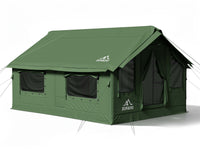
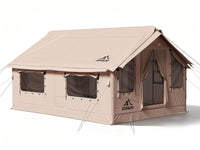
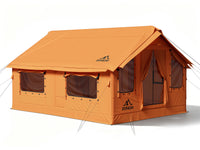
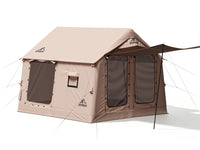
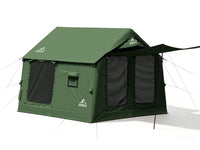
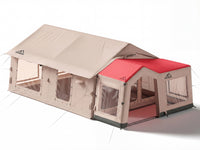
ZONKOO inflatable tents use air beams to support the main structure, reducing the steps involved in connecting and threading multiple traditional tent poles. They also offer room for groups and extra gear, making fall setup and organization easier after arriving at camp.
If colder overnight temperatures are likely and you plan to use a compatible tent stove where permitted, choose a tent with a designated stove jack. ZONKOO hot inflatable tents include this feature, providing another option for camping in colder conditions. Always follow the tent, stove, and campground requirements, including instructions for continuous ventilation, safe clearances, and constant supervision.
Before leaving, check the tent fabric, doors, windows, zippers, vents, and main support structure, and make sure stakes, guylines, and repair tools are packed. If the tent has not been used for a long time, set it up fully at home first so that missing parts or structural issues are not discovered after reaching the campground.
Prepare for Colder Fall Nights
Daytime activity and nighttime rest can feel very different in fall. Staying warm at night is not just about wearing more clothing. Both the sleep system and clothing should be adjusted to the expected overnight low.
Match the Sleep System to Overnight Temperatures
The sleeping bag should match the expected overnight low, and there should be enough insulation underneath the body to reduce heat loss to the cold ground. Sleeping pads, air mattresses, and camping cots differ in insulation, support, and the amount of space they take up, so the choice can depend on nighttime temperatures, tent space, and the type of trip.
Further Reading: How to Sleep Comfortably in a Tent: A Guide to Camping Sleep Systems
Adjust Clothing to Activity and Temperature
A layering system that can be adjusted throughout the day works better for fall conditions. A base layer helps manage moisture, a mid layer provides warmth, and an outer layer helps block wind and rain. Wearing too much while hiking, unloading gear, or setting up the tent can lead to sweating, and damp clothing can make you feel colder once activity stops.
Change into dry clothes and socks before bed. A hat, gloves, and extra socks can also help during cold mornings and evenings. Adjusting layers as activity levels and temperatures change is more practical than relying on one heavy jacket.
Manage Moisture, Condensation, and Camp Life
Keep wet gear separate from the sleeping area. Fall campsites are often damp from dew, wet leaves, or recent rain. Sleeping bags, extra clothing, and electronics should be moved to a dry area as soon as possible, while wet shoes, rain gear, and towels should be kept separate from the sleeping area. If the tent has enough interior space, leave an area near the entrance for wet gear to help keep mud out of the main living space.
Do not close every vent just to stay warm. Breathing, damp clothing, and the temperature difference between inside and outside the tent can all increase moisture. Even in colder conditions, keep some ventilation and avoid leaving sleeping bags or clothing pressed against the tent walls for long periods. Water droplets in the morning do not necessarily mean the tent is leaking; they may simply be condensation. Wipe away surface moisture and air out damp gear when the weather allows.
Keep dinner preparation simple. With earlier sunsets, choose meals that can be portioned in advance, require fewer steps, and are easy to heat. This reduces the time spent preparing food in cold, low-light conditions. Even in cooler weather, stay hydrated.
Store food according to campground rules. Food, trash, and other scented items should not be left inside the tent or unattended on a table. Requirements for bear canisters, food storage lockers, and vehicle storage vary by location, so check the specific campground rules before the trip.
Have a Backup Plan for Changing Weather
Fall weather can change quickly, so it helps to have more than one option. Before leaving, consider:
- Whether the trip can be rescheduled or moved to a lower-elevation campground if overnight temperatures fall below what the current gear can handle
- Whether sleeping gear and extra clothing can stay dry during extended rain
- Whether there will be enough drinking water if the campground water service shuts down
- Whether there is a safe alternative nearby if roads or the campground close unexpectedly
Some conditions may also mean it is no longer a good idea to stay, including:
- Strong winds that prevent the tent from being securely anchored
- Continued rain that causes water to collect around the campsite
- Temperatures well below what the current gear can handle
- Weather conditions that may affect access roads
In these situations, changing plans is usually more practical than trying to stay. As long as campground parking rules allow it, park so it is easy to leave, and keep keys, lighting, shoes, and essential clothing within easy reach.
Prepare for a More Comfortable Fall Camping Trip
Fall camping does not necessarily require replacing the entire gear setup. The key is to make sure the gear and the plan match the actual conditions. Check whether the sleep system is warm enough, the tent has room for extra gear, the setup and anchoring are suitable for the weather, and the itinerary leaves enough room to adjust.
Thinking through these factors in advance and choosing a tent that fits both the group size and the camping environment can make colder nights and shorter days easier to manage, leaving more time to enjoy camp life and fall scenery.