The main differences between glamping and traditional camping are comfort, amenities, and preparation. Traditional camping usually involves bringing your own gear, setting up camp, and handling everyday tasks outdoors. Glamping offers a more home-like experience with comfortable beds, spacious accommodations, and additional amenities.
Glamping can mean staying in accommodations prepared by a host or creating your own setup. Both have their advantages. The right choice depends on your budget, how often you camp, and how much you value comfort, convenience, and hands-on outdoor experiences.
What's the Difference Between Glamping and Camping?
Camping and glamping differ mainly in comfort, amenities, and the overall experience. Traditional camping typically involves basic outdoor gear and a more hands-on approach to camp life. Glamping focuses on comfortable sleeping arrangements, spacious living areas, and amenities that make spending time outdoors feel more like home.
|
Feature |
Traditional Camping |
Glamping |
|
Accommodations |
Standard tents, RVs, and similar options |
Large tents, yurts, treehouses, cabins, and more |
|
Sleeping arrangements |
Sleeping bags, sleeping pads, air mattresses, etc. |
Comfortable mattresses, full bedding sets, and furnished beds |
|
Living space |
Primarily designed for basic camping needs |
More emphasis on interior space, furniture, and activity areas |
|
Amenities |
Personal camping supplies or shared campground facilities |
May include furniture, electricity, kitchens, or private bathrooms |
|
Preparation |
Usually involves bringing gear and setting up camp |
Can mean staying in ready-made accommodations or setting up your own site |
The distinction isn't always clear-cut. Traditional camping can be more comfortable with upgraded gear, while glamping can involve either staying at a professionally prepared site or setting up your own. What matters most is the accommodation and living experience, not simply who pitches the tent.

Is Glamping More Expensive Than Camping?
Booked glamping accommodations generally cost more per night than traditional tent campsites, but traditional camping isn't necessarily cheaper for first-time campers. Camping gear requires an upfront investment, so the total cost depends largely on how often you camp.
First-time campers need to buy a tent, sleeping gear, and other essentials, along with paying campsite fees. Booked glamping accommodations usually remove the need to buy most of this equipment, leaving lodging as the main expense. Prices vary widely by location, season, and accommodation type, and some properties charge extra cleaning or service fees.
For example, suppose a basic camping setup costs $800, a traditional tent campsite costs $45 per night, and a glamping tent costs $200 per night. Here's how the total costs compare:
|
Expense |
Traditional Camping |
Booked Glamping |
|
Initial gear investment |
$800 |
$0 |
|
Cost per night |
$45 |
$200 |
|
Total for 5 nights |
$1,025 |
$1,000 |
|
Total for 10 nights |
$1,250 |
$2,000 |
These are hypothetical figures based on general U.S. market price ranges, not market averages. Transportation, food, equipment maintenance, and other additional expenses are excluded.
In this example, the total costs are nearly equal after five nights. From the sixth night onward, traditional camping becomes less expensive overall. By the tenth night, the difference reaches $750.
Actual expenses also depend on gear prices, campsite fees, and other costs. Camping gear can be reused, but cleaning, repairs, and storage may add to the expense. Glamping properties may charge extra service fees or require a minimum stay. If you're creating your own glamping setup, you'll also need to factor in the cost of a larger tent, furniture, and other comfort-focused gear.
How Does Comfort Compare Between Glamping and Camping?
Glamping generally feels more like staying at home, especially when it comes to sleeping arrangements, interior space, and everyday amenities. Comfort during traditional camping depends on your tent, gear, and campground conditions, so experiences can vary considerably.
The biggest difference is often the sleeping setup. Glamping typically emphasizes comfortable mattresses, pillows, and full bedding sets. Some commercial accommodations even have beds similar to those found in hotels. Traditional camping offers more variety. Backpackers often use lightweight sleeping pads, while car campers may prefer air mattresses or cots. Mattress support, ground conditions, and insulation against the cold all affect sleep quality.
Interior space also affects everyday comfort. In a small tent, beds and luggage can leave little room to stand, change clothes, or organize belongings. Glamping accommodations often have higher ceilings and dedicated areas for seating, storage, or furniture. Spacious family tents can offer many of the same benefits.
Temperature can make the difference even more noticeable. Standard tents are more exposed to changes in outdoor temperatures, making ventilation and shade important in summer and adequate insulation essential on cold nights. Some commercial glamping accommodations have heating or air conditioning, although these features aren't available at every glamping site.
Everyday facilities matter, too. At traditional campgrounds, bathrooms, showers, and electrical hookups may be in shared areas that require a short walk. Some commercial glamping accommodations provide private bathrooms, lighting, and electricity, making daily routines easier, especially on longer stays.

What Gear Do You Need for Glamping vs Camping?
Traditional camping usually requires more gear. Beyond a tent and sleeping equipment, you'll need to plan for lighting, food, and other essentials based on what's available at the campground. Packing for booked glamping accommodations is typically simpler, while creating your own glamping setup means bringing additional items for comfort.
The table below compares common gear requirements for traditional tent camping and booked glamping accommodations:
|
Gear Category |
Traditional Camping |
Booked Glamping |
|
Tent and setup accessories |
Usually need to bring your own |
Generally not required |
|
Sleeping gear |
Sleeping bags, sleeping pads, air mattresses, etc. |
Check whether bedding and towels are provided |
|
Lighting and power |
Flashlights, camping lanterns, portable chargers, etc. |
Check lighting and charging options |
|
Cooking equipment |
Bring a stove and utensils as needed |
Check whether a kitchen, cookware, or utensils are provided |
|
Food and drinking water |
Plan based on the length of your stay and available supplies |
Confirm meal options and access to safe drinking water |
|
Clothing and personal items |
Pack for the weather and planned activities |
Pack for the weather and planned activities |
|
Safety and emergency supplies |
First-aid supplies, insect protection, and weather protection |
Prepare based on the location and weather |
Before packing for traditional camping, check what the campground provides. Access to safe drinking water, picnic tables, and designated cooking areas can all affect what you need to bring. If it's your first trip, focus on the essentials rather than buying equipment you may not use.
For booked glamping stays, read the accommodation details carefully. Some places have kitchens but don't provide cookware, while others include beds but require guests to bring towels or certain bedding items. It's also worth confirming food and drinking water options, especially if the property is far from stores or restaurants.
How Can You Create a More Comfortable Glamping Experience With a Tent?
You can create a glamping-style campsite with a tent you set up yourself. For car camping, a spacious, easy-to-set-up tent, comfortable bedding, basic furniture, and a practical layout can provide the comfort of glamping while keeping the hands-on experience of camping.
Choose a spacious, easy-to-set-up tent
A comfortable glamping setup needs enough room for beds, furniture, and everyday essentials, with clear walkways between them. Standing height, natural light, and good ventilation also make a tent more pleasant to spend time in, especially on longer trips.
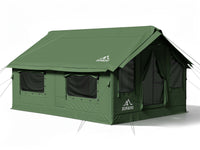
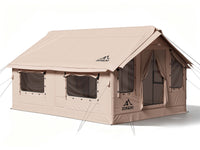
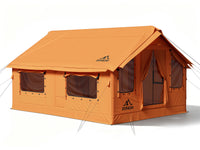
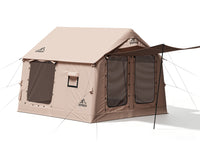
The ZONKOO Draco is a large inflatable tent with approximately 183 sq ft of interior space and 7'3" of standing height. Its center-pole-free design leaves room for air mattresses, small tables, chairs, and storage. A removable divider lets campers separate sleeping and lounging areas, giving families more flexibility when arranging the interior.
Draco has 12 windows and a large skylight that bring natural light inside. Openable windows and ventilation features help air circulate, while transparent side windows and the skylight offer views of the surrounding scenery. When it's time to rest, window coverings help block outside light and provide privacy. The inflatable air-beam structure also reduces the need to assemble traditional tent poles.
Draco
Improve your sleeping setup and living areas
Comfortable mattresses, pillows, and bedding make a noticeable difference to sleep outdoors. With small tables, storage, chairs, and suitable lighting, a tent can become a comfortable space for both sleeping and everyday activities.
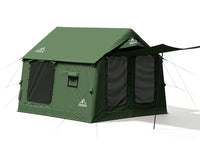
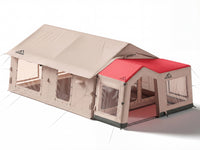
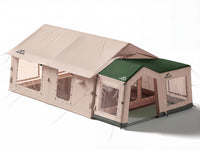
For more room to relax outside, the ZONKOO Draco Plus combines a main tent with a gazebo, offering approximately 252 sq ft of total space. The main tent provides room for beds and everyday essentials, while the gazebo can hold a dining table, chairs, and other outdoor furniture for meals, conversations, reading, or family activities.
This layout keeps sleeping and social activities in separate areas. Campers can spend the day relaxing in the gazebo and return to the main tent at night, creating a spacious, comfortable glamping atmosphere at a campsite they've set up themselves.
Further Reading: Are Inflatable Tents Good for Glamping? Space, Layout, and Comfort Explained
Draco Plus
Glamping or Camping: Which Should You Choose?
Traditional camping is a better fit if you enjoy setting up your own campsite, planning outdoor activities, and camping regularly. If you prefer less preparation and comfortable, ready-made accommodations, booked glamping may be a better choice. It comes down to your travel plans, budget, and how much you value convenience versus a hands-on camping experience.
DIY glamping offers another option for campers who enjoy doing things themselves without giving up comfort. A spacious tent, comfortable bedding, and a well-organized living area can make family trips or weekend car camping more enjoyable.