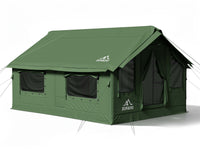
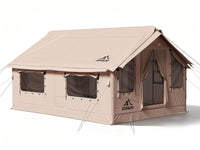
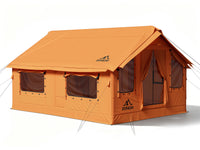
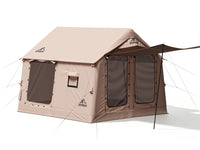
After an inflatable tent is set up, the air beams may feel less firm than they did right after inflation or even begin to sag slightly. When that happens, many people immediately assume the tent is leaking air.
In fact, air beams that feel softer are not necessarily damaged. Lower nighttime temperatures, insufficient inflation pressure, or a valve that is not fully sealed can all affect the firmness and stability of the air beams. If only one beam continues to lose pressure, or if it becomes soft again soon after reinflation, the tent should be checked for a leak or an internal air beam issue.
The cause can often be identified by when the softening occurs, how many beams are affected, and how quickly they lose firmness. Below are five common reasons an inflatable tent may feel soft, along with ways to identify and address each one.
1. Lower Nighttime Temperatures Reduce Air Pressure
When a tent is set up during warmer daytime temperatures, the air inside the beams is also warmer. As temperatures drop at night or early in the morning, the air inside the beams cools, and the internal pressure may decrease. As a result, the beams can feel softer in the morning than they did when first inflated in the afternoon.
This usually affects several air beams at the same time. The tent may feel slightly softer overall while still holding its normal shape, without noticeable sagging or one beam losing support on its own.
There is no need to assume the tent is leaking right away. Check the pressure according to the tent instructions and add air if it has fallen below the normal operating level. In cooler morning temperatures, avoid overinflating the beams just to make them feel firmer. As the temperature rises again during the day, internal pressure may also change, so always follow the inflation pressure specified for the tent.
2. The Tent Has Not Reached the Recommended Inflation Pressure
An inflatable tent can stand upright before its air beams have reached the proper pressure.
As the beams inflate from flat, they can support the basic shape of the tent fairly quickly. The tent may look fully set up even though the actual pressure is still too low. In that case, the beams may feel soft and bend more easily under fabric tension or wind.
This is especially common when using an inflatable tent for the first time because pressure is difficult to judge by feel alone. Some people think the beams already feel firm enough, while others worry that continuing to inflate them could damage the tent. As a result, they may stop before the pressure reaches the recommended level.
A more reliable approach is to check the recommended inflation pressure for the specific tent model. For example, ZONKOO inflatable tents have a recommended inflation pressure of 5.5 PSI. Use a pump with a pressure gauge and stop once the recommended pressure is reached. There is no need to keep adding air just to make the beams feel “as hard as possible.”
If you are unsure how to use the pump or when to stop inflating, read How to Inflate an Inflatable Tent: A Beginner’s Step-by-Step Guide for complete inflation steps and pressure-checking guidance.

3. The Valve Is Not Fully Sealed
If the air beams feel firm right after inflation but gradually soften a few hours later, check the inflation valve first. Unlike obvious damage, a poorly sealed valve may release small amounts of air over time rather than all at once. The tent may look normal when first set up, then feel noticeably softer later.
This can happen if the valve is not fully closed, the connection is loose, or fine sand, dust, or other debris is caught around the sealing area. When setting up on sandy ground or near the beach, small particles can more easily collect around the valve during inflation and deflation and interfere with the seal.
If an air beam continues to lose pressure, first make sure the valve is fully closed and remove any visible sand or debris around it. Then reinflate the beam to the recommended pressure. If the beam holds its shape and no longer softens, the earlier pressure loss was likely related to the valve seal rather than a leak in the air beam itself.
If the beam continues to soften over the next few hours after the valve has been checked, inspect the air beam for a small puncture or another leak.
4. The Air Beam Has a Small Puncture or Slow Leak
After temperature, inflation pressure, and valve issues have been ruled out, a beam that continues to lose pressure may have a small puncture or other damage.
Twigs, sharp debris on the ground, friction during transport, or repeated pressure on certain areas over time can cause small punctures or slow leaks. Unlike a major tear, a small puncture may not cause the beam to deflate immediately. It may look completely normal after inflation and only begin to lose noticeable support several hours later or overnight.
Compare the air beams first. If only one continues to soften while the others remain stable, the issue is more likely to be isolated to that beam.
After confirming that the valve is not the problem, follow the instructions or official repair video for the specific model and check the valve connection, the air beam surface, and areas that may have been compressed or rubbed. Once the leak is located, use the repair materials supplied with the product or approved by the brand. If the leak cannot be located, or if the damage is around the valve, seam, or another area that is not suitable for a field repair, contact customer support.
A small puncture does not mean the entire tent needs to be replaced. First, locate the leak, repair it according to the product instructions, and make sure the air beam can hold pressure normally before using the tent again.
5. The Inner Bladder Is Twisted or Out of Position
In inflatable tents with removable inner bladders, localized softness or an unusual beam shape may also be related to the position of the bladder rather than an actual air leak.
If the inner bladder becomes folded, twisted, or shifted inside the outer protective sleeve, the air beam may not hold its proper shape when inflated. One section may feel noticeably softer, the beam may bend to one side, or some areas may look fully inflated while others do not expand properly.
Adding more air will not solve this problem. If the product instructions allow the inner bladder to be inspected, fully deflate the beam first, then follow the steps for that specific model to check the position of the inner bladder and outer protective sleeve. Do not disassemble the beam while it is under pressure or remove additional components if you are unfamiliar with the air beam structure.
Air beam designs vary between brands and models. If the manual does not provide instructions for checking the inner bladder, or if the beam remains visibly deformed after adjustment, contact the brand's customer support rather than opening the air beam yourself.

How Can You Tell Whether It Is a Real Leak or Normal Softening?
To determine whether an inflatable tent is actually leaking, look at two things: how many beams are affected and how quickly they soften.
If several air beams become slightly softer after temperatures drop overnight, but the tent still holds its normal shape, consider temperature and overall pressure changes first.
If all of the beams feel soft from the time the tent is first set up, check whether they were inflated to the recommended pressure.
If only one air beam gradually softens, check its valve first. If the valve is working properly, inspect the beam for a small puncture or other damage.
If the beam loses noticeable pressure again soon after being reinflated and the tent's support is already affected, repeatedly adding air is not a suitable solution. The source of the leak needs to be identified.
A simple order to follow is temperature → pressure → valve → air beam. This makes troubleshooting faster and helps avoid taking the beam apart unnecessarily or mistaking normal pressure changes for a problem.
If the valve needs to be replaced, the inner bladder needs to be removed, or the leak cannot be located, contact the brand's customer support or a professional repair service rather than repeatedly adding air to maintain the tent's support.
When an Air Beam Feels Soft, Identify the Cause Before Taking Action
When an inflatable tent feels soft, the important thing is not to immediately add more air or take the beam apart, but to first determine whether the change is outside the normal range. Following the right troubleshooting order can help prevent temperature-related pressure changes from being mistaken for a problem while also making it easier to identify a real leak when one occurs.
Inflating to the recommended pressure, keeping the valves clean, and protecting the air beams from sharp objects and excessive friction during storage and transport can also help reduce the risk of repeated pressure loss or damage. How easy the air beams are to inspect and maintain is also worth considering when choosing an inflatable tent.