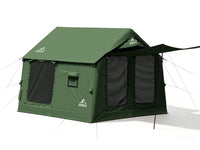
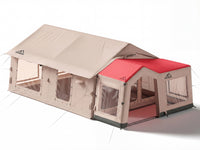
A tent with a gazebo gives campers a separate covered area outside the main sleeping space. For families and groups, that extra area can be useful for tables, chairs, gear, meals, and daytime activities without crowding the inside of the tent.
The trade-off is that a gazebo also adds weight, setup time, and campsite footprint. Whether it is worth having depends on how many people you camp with, how long you stay, and how much time you usually spend around the campsite.
What Is a Tent Gazebo?
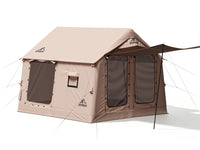
A tent gazebo is a separate sheltered area connected to or positioned alongside the main tent. It is usually large enough for tables and chairs, giving campers extra space to sit, eat, organize gear, or relax without using the sleeping area.
It is generally larger than a typical tent vestibule, which is mainly used for shoes, backpacks, and wet gear. A porch usually provides a covered entrance area, while a screen room adds a mesh enclosure for insect protection.
|
Extra space |
Typical use |
|
Vestibule |
Shoes, backpacks, and wet gear |
|
Porch |
Covered entrance and light outdoor use |
|
Screen room |
Bug-protected sitting or activity space |
|
Gazebo |
Tables, chairs, gear, and shared campsite activities |
Product terminology can vary, so it is better to compare the actual size, enclosure, and intended use rather than rely on the feature name alone.
What Does a Gazebo Add to Campsite Living?
When several people camp together, tent capacity alone does not tell you how comfortable the space will feel. Six people may be able to fit their mattresses inside one tent, but backpacks, shoes, coolers, extra clothes, and other gear can quickly take up the remaining floor space.
A gazebo moves some of those everyday activities outside the sleeping area. Tables and chairs can stay there, frequently used gear does not have to pile up beside the beds, and campers have somewhere to sit or organize equipment without constantly moving luggage.
The benefit becomes more noticeable on multi-night trips. Instead of using the main tent for sleeping, storage, meals, and daytime activities all at once, the gazebo gives those functions a separate place.

How Does a Gazebo Handle Sun, Rain, and Bugs?
Sunny weather is where a gazebo is easiest to appreciate. Overhead shelter gives people, tables, chairs, and gear a place out of direct sunlight, although low morning or evening sun may still enter from the sides.
Rain protection depends on the enclosure and campsite setup. In light rain, a gazebo can provide a place to put on rain gear, organize equipment, or spend time outside the main tent. With wind-driven rain, open sides may allow water in, while poor drainage can leave the ground underneath wet.
Bug protection also depends on the design. A gazebo with a full mesh enclosure can help reduce mosquitoes and other insects, while an open gazebo mainly provides shade, weather coverage, and living space. It should not automatically be treated the same as a screen room.
Does a Gazebo Add Too Much Size, Weight, or Setup?
A gazebo adds usable space, but it also makes the overall tent larger and heavier and requires more room at the campsite.
When checking whether a tent will fit, consider the entire setup rather than only the main sleeping area. You also need space for:
- the gazebo;
- guy lines and stakes;
- entrances and exits;
- walking space around the tent.
If the campsite has a fixed-size tent pad, check the available dimensions before booking.
Tents with gazebos are generally better suited to car camping, where gear can be unloaded close to the campsite. They are less convenient when the parking area is far away or when you move to a new campsite frequently.
Trip length also matters. For a one-night stop, the extra setup may offer little benefit. On a three- or four-night stay, tables, chairs, and frequently used gear can remain in the gazebo instead of being packed and moved every day.
Further Reading: How to Set Up a Large Inflatable Tent
What Camping Trips Are Best for a Gazebo?
A gazebo is most useful for families or groups staying at the same campsite for several nights, especially when they spend a significant amount of time at camp.
It can work well for:
- family camping;
- group camping;
- multi-night campground stays;
- car camping;
- camping with pets.
The extra space can be particularly helpful when camping with a dog. Beds, bowls, leashes, towels, and other pet supplies can easily crowd the entrance or sleeping area, while a gazebo gives some frequently used items a separate place.
A gazebo may be less useful for one or two campers on short trips, campers who change sites frequently, or anyone who spends most of the day away from camp. In those situations, the added size and setup work may outweigh the benefit of the extra space.

How Does ZONKOO Draco Plus Use Gazebo Space?
When choosing a large tent with a gazebo, the value comes from giving the main tent and gazebo different roles rather than simply adding more covered area.
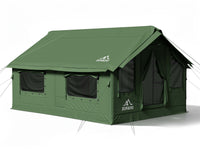
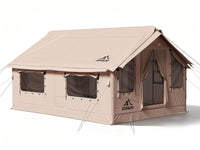
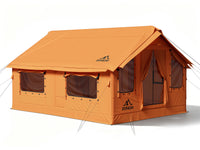
ZONKOO Draco Plus combines a two-room main tent with a gazebo, providing 252 sq ft of total usable space for 2–10 people. Sleeping, changing clothes, and luggage storage can stay inside the main tent, while the gazebo can be used for eating, relaxing, organizing gear, or drying clothes.
The main tent has a 7'3" interior height, giving campers room to stand, change clothes, and arrange bedding. Its two-room layout can separate sleeping areas, while the inflatable beam structure keeps the center free of traditional support poles.
The gazebo has a 6'1" height and enough room for tables and chairs, creating a separate shared area for daytime use. For families or groups staying several nights, this helps keep everyday campsite activities from taking over the sleeping area.
Draco Plus
So, Is a Tent With a Gazebo Worth It?
A tent with a gazebo is not necessary for every camping trip. It makes the most sense when the extra area will actually be used for meals, relaxing, gear organization, or other daytime activities.
Before choosing one, consider:
- whether you need separate living space outside the sleeping area;
- whether your usual campsites can accommodate the larger footprint;
- whether the added weight and setup work fit the way you camp;
- whether you usually stay long enough to make use of the extra space.
If you mainly need somewhere to keep shoes, backpacks, and wet gear, a smaller vestibule or porch may be enough. If you want a larger shared area for tables, chairs, gear, and everyday campsite activities, a gazebo can provide much more usable space.